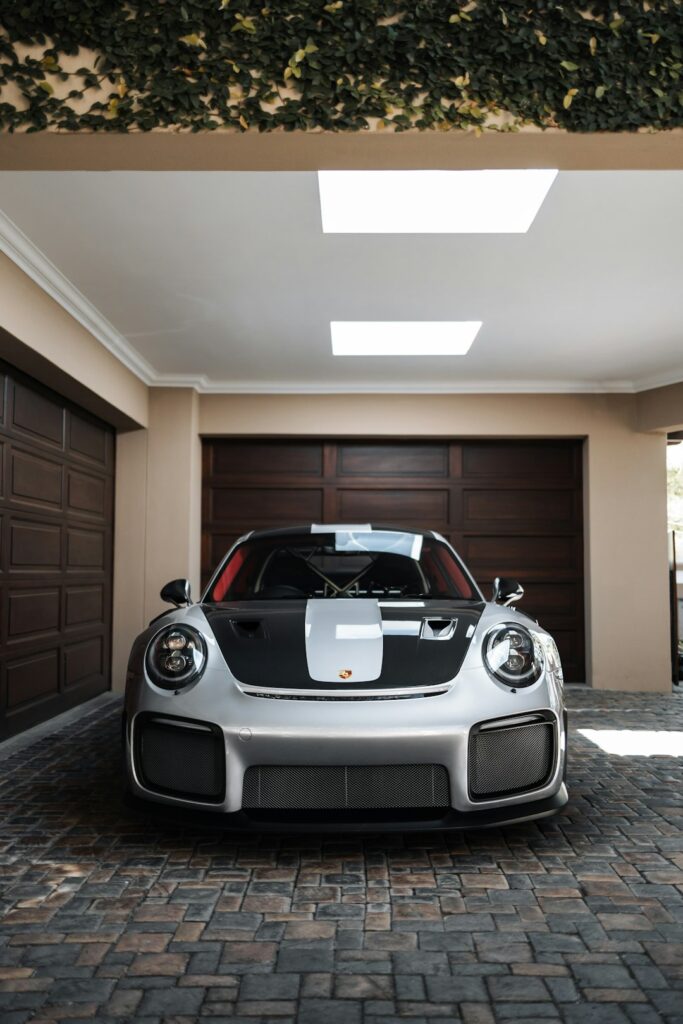
After three decades of consulting on flooring projects, I can tell you that a bare concrete garage floor is one of the most abused surfaces in any home. Garage floor mats for cars offer the simplest, most cost-effective way to protect that concrete from oil drips, road salt, tire marks, and moisture damage without committing to a permanent coating. Whether you park a compact sedan or a full-size truck, there is a mat engineered for your exact situation.
In this guide, I break down every type of garage floor mat on the market, help you pick the right size and material, and compare mats to alternatives like epoxy coatings and interlocking tiles so you can make a confident decision.
Types of Garage Floor Mats
Not every garage mat serves the same purpose. Understanding the three main categories will keep you from buying the wrong product.
Containment Mats
Containment mats feature raised edges—typically 0.5 to 1.5 inches tall—that trap water, snowmelt, mud, and automotive fluids inside the mat perimeter. They are the go-to choice for homeowners in northern climates who drive into the garage with snow-caked wheel wells. The lip keeps slush from spreading across the rest of your garage floor, and most designs include a textured surface to prevent tires from slipping.
Parking Mats (Roll-Out Mats)
Parking mats are flat, roll-out sheets that sit underneath the car without raised edges. They protect concrete from oil stains, tire marks, and general wear. Because they lack containment walls, they work best in dry climates or climate-controlled garages where liquid runoff is not a major concern. They are also easier to roll up and store if you need the floor space seasonally.
Ribbed and Textured Mats
Ribbed mats use a channel pattern on the surface to direct water away from tires and toward the mat edges or a drain. The ribs add traction for foot traffic and make the mat self-cleaning to a degree—debris settles into the channels rather than sitting on the surface. You will find ribbed patterns on both containment and flat mat styles.
Materials and Construction
The material of a garage floor mat determines its durability, chemical resistance, and price point. Here are the most common options:
- PVC (Polyvinyl Chloride): The most popular choice. PVC mats resist oil, gasoline, antifreeze, and road salt. They stay flexible in cold temperatures and typically last 10-plus years with basic care. Thickness ranges from 50 mil to 90 mil for heavy-duty versions.
- Polyester Fabric with Rubber Backing: These mats absorb liquids on top while the rubber layer prevents moisture from reaching concrete. They feel softer underfoot and come in various colors but are harder to clean than solid PVC.
- TPO (Thermoplastic Polyolefin): A premium material that resists UV fading and chemical stains better than standard PVC. TPO mats cost more but hold up exceptionally well in garages with direct sunlight exposure.
- Rubber: Heavy-duty rubber mats are common in commercial settings. They handle extreme weight and high temperatures from hot tires but tend to be the most expensive option per square foot.
For most residential garages, a PVC mat in the 70-mil to 90-mil thickness range offers the best balance of protection, longevity, and value.
Choosing the Right Size
Measure your vehicle’s footprint and add at least 12 inches on each side. You want room for door swings and foot traffic around the car.
| Vehicle Type | Recommended Mat Size |
|---|---|
| Compact / Sedan | 7’6″ x 16′ to 7’6″ x 18′ |
| SUV / Crossover | 8’6″ x 18′ to 8’6″ x 20′ |
| Full-Size Truck | 9′ x 20′ to 9′ x 22′ |
| Two-Car Garage (full coverage) | 18′ x 20′ to 20′ x 22′ |
If your garage is deeper than average, look for mats sold in extended lengths or buy two mats that overlap by a few inches. Some brands offer custom-cut sizing for an additional fee.
Winter and Snow Use
If you live anywhere with freezing temperatures, a containment mat is practically mandatory. Here is why:
- Salt damage prevention: Road salt mixed with snowmelt creates a corrosive brine that pits and spalls bare concrete over time. A containment mat keeps that brine off the floor entirely.
- Moisture control: Snowmelt can seep into concrete pores, freeze overnight, and cause surface cracking. A mat with raised edges holds that water until it evaporates or you vacuum it out.
- Easy cleanup: After a storm, you can squeegee the collected water toward a floor drain or use a wet/dry vacuum. Without a mat, you are mopping an entire garage bay.
Look for mats rated to stay flexible down to at least -20 degrees Fahrenheit. Cheap mats crack and curl in extreme cold, creating a tripping hazard and losing their containment ability.
Top Brands to Consider
After testing and recommending garage mats for years, these brands consistently deliver quality:
- AutoFloorGuard: Known for heavy-duty containment mats with tall lips and thick PVC construction. Their mats handle full-size trucks with ease.
- TruContain: Offers a wide range of sizes including two-car options. Their fabric-top mats absorb water effectively and come with strong customer reviews.
- Armor All: A trusted automotive brand that produces affordable roll-out parking mats. Good entry-level option for mild climates.
- Park Smart by G-Floor: G-Floor makes some of the thickest PVC mats available (up to 90 mil). Excellent chemical resistance and a clean, finished look.
- Drymate: Specializes in absorbent fabric-top mats with waterproof backing. Their mats are machine washable in sections and popular for smaller garages.
Cost Breakdown
Pricing varies significantly by type and size. Here is what to budget in 2026:
- Basic parking mat (single car): $50 to $120
- Containment mat (single car): $130 to $300
- Premium containment mat (single car, heavy-duty PVC): $250 to $450
- Two-car containment mat: $350 to $700
- Custom-sized mats: $400 and up depending on dimensions
Compared to epoxy coating ($3 to $7 per square foot installed) or interlocking tiles ($2 to $5 per square foot), a quality garage mat is often the most budget-friendly option—and you can take it with you if you move.
Mats vs Epoxy vs Interlocking Tiles
Homeowners often ask me whether they should invest in a permanent floor solution instead of a mat. Here is an honest comparison:
| Feature | Garage Mat | Epoxy Coating | Interlocking Tiles |
|---|---|---|---|
| Installation time | Minutes | 2-3 days + cure time | A few hours |
| Cost (single car area) | $50-$450 | $1,000-$3,000 | $500-$1,500 |
| Durability | 5-15 years | 10-20 years | 10-20 years |
| Portability | Yes | No | Yes (labor intensive) |
| Liquid containment | Yes (containment type) | No | No (drains through) |
| Appearance | Functional | Showroom finish | Professional look |
If you rent your home, plan to move within a few years, or specifically need liquid containment for winter, a mat is the smarter play. Epoxy and tiles make sense for permanent installations where aesthetics matter.
Installation and Maintenance
One of the biggest advantages of garage floor mats for cars is their zero-skill installation. Here is the process:
- Clean the floor: Sweep and remove any debris. A clean surface helps the mat lie flat and prevents punctures from underneath.
- Unroll and position: Roll the mat out and center it where your car parks. In cold weather, let the mat acclimate to the garage temperature for a few hours so it relaxes flat.
- Trim if needed: Most mats can be cut with a utility knife to fit around support columns or odd garage shapes.
- Park your car: The weight of the vehicle keeps the mat in place. No adhesive or tape is required for most products.
For maintenance, sweep or vacuum the mat weekly. After heavy rain or snow, use a wet/dry vacuum or squeegee to remove standing water from containment mats. For oil or chemical stains, a mild degreaser and a scrub brush will handle the job. Avoid harsh solvents that can degrade PVC over time.
Frequently Asked Questions
Can I use a garage floor mat on an uneven or cracked concrete floor?
Yes. Flexible PVC mats conform to minor imperfections and cracks. However, if you have significant heaving or sharp raised edges, smooth those areas first with a concrete grinder. A sharp protrusion can puncture the mat from below.
Do garage floor mats cause moisture to get trapped under them?
Solid PVC mats can trap condensation between the mat and the concrete, especially in humid climates. To prevent this, roll the mat back periodically to let the floor breathe, or choose a mat with a textured underside that allows limited airflow. In most garages with reasonable ventilation, trapped moisture is not a significant concern.
How long do garage floor mats typically last?
A quality PVC containment mat lasts 10 to 15 years with normal use. Fabric-top mats tend to wear faster—around 5 to 8 years—because the fabric surface degrades from tire friction and chemical exposure. Replacing a mat every decade is still far cheaper than recoating an epoxy floor.
Will hot tires damage a garage floor mat?
Standard PVC mats handle normal tire temperatures without issue. If you drive aggressively or tow heavy loads, tires can get hot enough to soften cheaper mats temporarily. High-quality mats rated for hot-tire resistance (look for this specification) prevent permanent indentation or discoloration.
Can I park a motorcycle or ATV on a garage floor mat?
Absolutely. Smaller containment mats sized around 5 by 10 feet work perfectly for motorcycles, ATVs, and snowmobiles. The kickstand or jack may create a pressure point, so place a small piece of plywood under the stand to distribute the weight if needed.