The cruelest irony of a flooded basement is that the storm knocking out your power is the same storm dumping water into your sump pit. A generator for sump pump backup breaks that link, keeping the pump running exactly when you need it most. Storms cause the majority of both power outages and basement flooding, so pairing your pump with a reliable power source is one of the smartest protective investments a homeowner can make. Here is how to size, choose, and safely connect one.
Why Your Pump Needs Backup Power
A sump pump is only as reliable as its electricity. When a severe storm cuts power, groundwater keeps rising while your primary pump sits dead, and a basement can take on inches of water within an hour. Battery backup pumps help, but a typical battery drains in a matter of hours under heavy inflow. A generator provides sustained power for as long as you have fuel, which is what a multi-day outage during a flooding event actually demands.
Sizing the Generator Correctly
Getting the wattage right is the single most important decision. Motors like a sump pump draw a large surge when they start — often two to three times their running wattage — so the generator must handle that spike.
- Running watts: A typical 1/3 to 1/2 HP sump pump draws about 800 to 1,050 running watts.
- Starting (surge) watts: The same pump can spike to 1,300 to 2,150 watts at startup.
- Headroom: Add capacity for anything else you want to run — a few lights, a refrigerator, a phone charger.
For a sump pump alone, a 2,000 to 3,000-watt generator is comfortable. If you want to keep essentials running too, step up to a 3,500 to 5,000-watt unit. Check your pump’s nameplate for its exact draw and always size to the surge number, not just the running watts.
Portable Versus Standby Generators
You have two broad choices, and they suit different homeowners.
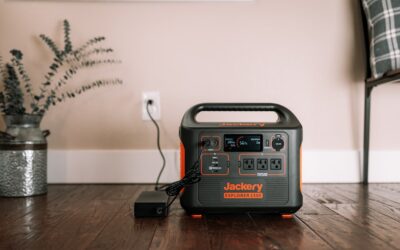
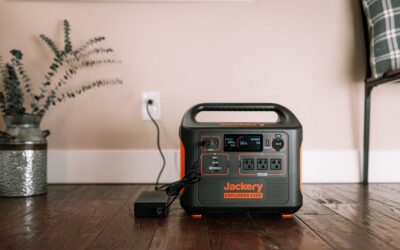
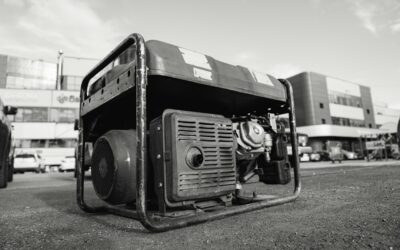
A portable generator costs $400 to $1,200, runs on gasoline or propane, and requires you to be home to start it, refuel it, and connect it. It is the budget-friendly option and doubles as jobsite or camping power, but it does nothing if you are away when the outage hits.
A standby (automatic) generator is permanently installed, wired to your electrical panel, and fueled by natural gas or a large propane tank. It starts itself within seconds of an outage through an automatic transfer switch, whether or not you are home. Expect $3,000 to $6,000 or more installed. For homes in flood-prone areas or owners who travel, that automatic protection is worth the premium.
Inverter Generators for Sensitive Pumps
Many modern pumps and battery-backup controllers include electronics that dislike the “dirty” power of a cheap generator. An inverter generator produces clean, stable power with low total harmonic distortion, protecting those electronics and running quieter and more fuel-efficiently. If your system has a smart controller or you also plan to power electronics, spend the extra for an inverter model.
Connecting It Safely
How you connect the generator matters as much as the generator itself. Never plug a generator into a wall outlet to “backfeed” the house — this can electrocute utility workers and damage your equipment. Use one of these safe methods instead:
- Heavy-duty extension cord from the generator directly to the pump, the simplest approach for a portable unit powering only the pump.
- Manual transfer switch installed by an electrician, letting you power selected circuits from the panel with a flip.
- Automatic transfer switch paired with a standby generator for hands-off switchover.
Whatever the method, run portable generators outdoors only, at least 20 feet from the house with the exhaust pointed away, because carbon monoxide from an enclosed generator is deadly.
Fuel and Runtime Planning
A generator is useless without fuel when the storm hits. A portable gas unit burns roughly 0.5 to 0.75 gallons per hour under moderate load, so a multi-day outage can demand a dozen gallons or more. Store fuel safely and rotate it, or choose a dual-fuel model that also runs on propane, which stores indefinitely. Standby units on natural gas sidestep the fuel problem entirely as long as the gas line is intact.
Testing and Maintenance
A backup generator is only worth having if it starts when the storm hits, and that depends on regular upkeep. Run a portable unit under load for 15 to 20 minutes once a month so you know it starts, the fuel is fresh, and the pump actually cycles on generator power. Standby units self-test weekly, but you should still verify that test is happening and check the oil and battery a few times a year. Nothing is more frustrating than pulling a generator out during an outage only to find it will not turn over.
Fuel management is the other half of readiness. Gasoline degrades in a few months, so either add a fuel stabilizer and rotate your stored cans or choose a propane or dual-fuel model, since propane stores for years without breaking down. Keep the generator’s cords, oil, and any transfer-switch instructions in one labeled bin near the unit so you are not hunting for parts in the dark. A little routine maintenance turns a generator from a hopeful purchase into a reliable safeguard you can count on during the exact emergency it was bought for.
Combine Layers for Real Protection
The most resilient setup does not rely on a single safeguard. Pair your primary pump with a battery backup pump that carries the load for the first hour or two, then use the generator for sustained power through a long outage. Add a water alarm to alert you the moment the pit rises abnormally. Together, a properly sized generator, a battery backup, and an alarm give your basement the redundancy it needs to stay dry through exactly the storm that threatens it most.