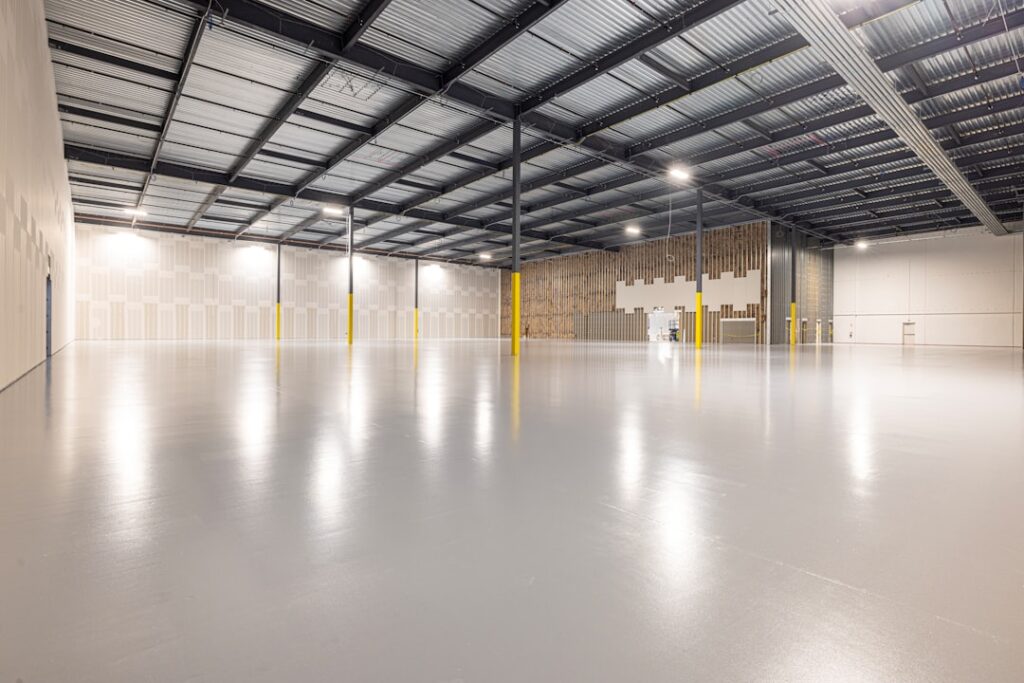
When you want a floor that looks sharp and shrugs off abuse, few options compete with poured epoxy. A gray epoxy floor hits a sweet spot many homeowners love: it hides dirt and tire marks, pairs with almost any wall color, and delivers a clean, modern surface in garages, basements, workshops, and even living spaces. Gray is also remarkably forgiving compared to lighter shades.
Like any flooring, though, epoxy has trade-offs. Surface preparation is demanding, the chemicals require care, and not every concrete slab is a good candidate. This guide covers the finishes, the genuine pros and cons, realistic cost ranges, and the prep and safety steps that separate a floor that lasts from one that peels.
What a Gray Epoxy Floor Is
Epoxy flooring is a coating, not a separate material laid on top of your slab. It is made by mixing a resin and a hardener that chemically react and bond directly to prepared concrete, curing into a hard, seamless, plastic-like surface. Gray pigment is added to the resin, giving you anything from a light dove tone to deep charcoal.
The result is a continuous coating with no grout lines or seams to trap dirt. Because it bonds to the concrete itself, a properly installed epoxy floor resists impacts, chemicals, and heavy traffic far better than paint. The gray base also serves as a versatile backdrop for decorative flakes or a high-gloss clear topcoat.
It is worth distinguishing true epoxy from the one-part garage paints sold at home centers. Those paints are far easier to apply but wear away under tires and foot traffic in a few seasons. A two-part epoxy system, by contrast, is engineered to last for many years, which is why the extra prep and care it demands pay off in the long run.
Finish Options in Gray
Gray epoxy is more flexible than a single solid color suggests. Common finishes include:
- Solid gray: a clean, uniform color, ideal for a modern, minimalist look.
- Flake or chip systems: gray base with scattered color flakes that add texture and hide imperfections.
- Metallic epoxy: pigments that swirl into marble-like depth, popular for showroom-style spaces.
- Matte versus high-gloss: a topcoat choice that changes both the look and the slip characteristics.
Flake systems are especially popular in garages because the texture adds grip and disguises the small flaws every concrete slab has. Metallic finishes look stunning but demand more skill to install evenly, so they are usually best left to experienced pros.
The Pros
Durability tops the list of reasons people choose epoxy. A well-installed floor stands up to dropped tools, vehicle traffic, and many household chemicals without chipping or staining. The seamless surface also wipes clean easily, since dust and spills have nowhere to hide.
Gray specifically offers practical advantages. It conceals dirt, oil drips, and tire marks far better than white or beige, yet it still brightens a dim garage or basement. Add a long service life and a relatively low cost compared with many premium flooring types, and the value becomes clear for hardworking spaces.
The Cons
Epoxy is unforgiving of poor preparation, and that is its biggest drawback. If the slab is not cleaned, profiled, and tested for moisture correctly, the coating can peel or bubble within months. The prep work is labor-intensive and often the deciding factor between a DIY job and hiring a professional.
High-gloss epoxy can also be slippery when wet, which matters in garages and entryways. The coating can yellow under strong sunlight unless a UV-resistant topcoat is used, and installation involves a working-time window that punishes hesitation. Finally, repairs to a damaged section rarely blend in invisibly.
Cost Ranges to Expect
Pricing depends on your region, the slab condition, and the finish, so treat these as general estimates rather than quotes. A basic DIY kit for a single-car garage is the least expensive route, while professional installation of a flake or metallic system costs considerably more per square foot due to labor and materials.
When comparing options, factor in the full picture: grinder or etching supplies, the primer, the colored base coat, decorative flakes, and the clear topcoat. Spending more on proper prep and a quality topcoat almost always pays off in a floor that lasts years longer. The cheapest kit is rarely the best value over time.
Surface Prep and Moisture Testing
Preparation determines whether your floor succeeds or fails, full stop. The concrete must be clean, free of old coatings and oil, and mechanically profiled by grinding or acid etching so the epoxy can grip. Skipping or rushing this step is the leading cause of peeling.
Just as important is a moisture test. Concrete that wicks moisture from below can push epoxy off the slab, so tape a plastic sheet to the floor for a day and check for condensation, or use a proper moisture meter. If your slab tests damp, address the source before coating. Fill cracks and repair spalling first, since epoxy will not bridge serious defects.
Safety and Curing
Epoxy resin and hardener give off fumes during application, so ventilation and protective gear are non-negotiable. Open doors and windows, run fans, and wear gloves, eye protection, and a respirator rated for the product. Always follow the manufacturer’s mixing ratios and instructions exactly, because the chemistry is unforgiving of guesswork.
After application, resist the urge to use the floor too soon. Most products allow light foot traffic after a day or so and vehicle traffic only after a full cure, which can take a week or more depending on temperature and humidity. Loading the floor before it fully cures can mar the finish or weaken the bond.
Is a Gray Epoxy Floor Right for You
If you want a durable, easy-to-clean surface that looks great and hides daily grime, a gray finish is one of the smartest choices for a garage, basement, or workshop. The keys to success are honest assessment of your slab, thorough preparation, and respect for the chemicals and cure times involved.
For a sound slab and a willingness to do the prep right, a gray epoxy floor rewards you with years of low-maintenance good looks. If your concrete has moisture problems or you want a metallic showpiece, lean toward a professional installer to protect your investment and get the finish you are picturing.