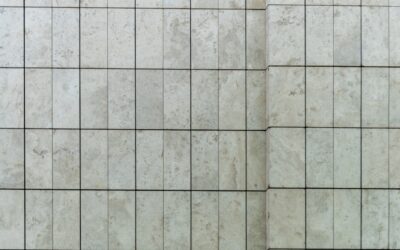
Gray tile with black grout is a high-contrast pairing that turns an ordinary tiled surface into a bold, graphic statement. The dark grout lines frame every tile, emphasize the pattern and layout, and give floors, backsplashes, and showers a crisp, modern, almost industrial edge that plain gray-on-gray simply cannot match.
It is a look with real staying power, but it is also unforgiving of sloppy work and the wrong grout choice. Get the gray shade, grout type, and layout right and you get a designer result. Get them wrong and you get muddy tiles or grout that fades to gray within a year. This guide walks through the shades that work, the grout decision that matters most, where the pairing belongs, and how to keep it looking sharp.
Why Black Grout With Gray Tile Works
Contrast is the entire appeal. Black grout draws a clean grid that celebrates the tile shape, whether that is a running-bond subway wall, a herringbone floor, or a large-format grid. The effect reads intentional and architectural. It also hides the dirt, mildew, and staining that plague white grout, which is a genuine practical win in kitchens, entryways, and showers where light grout turns dingy fast.
The trade-off is that black grout is a strong design commitment. It makes seams a focal point, so your tile layout and grout-line consistency have to be clean. Any wandering line or uneven spacing is instantly visible. This is a look that rewards precision.
Best Gray Shades to Pair With Black Grout
The gray you choose controls how dramatic or subtle the contrast reads. Options across the range:
- Light and dove gray: The highest contrast against black grout, giving a crisp, graphic, high-impact grid. Perfect for subway backsplashes and modern floors that want to pop.
- Mid greige and warm gray: Softens the contrast slightly and keeps the room from feeling cold. A versatile, livable middle ground.
- Charcoal and dark gray: Lower contrast for a moody, monolithic look where the grout blends and the surface reads as one dark plane. Dramatic in powder rooms and feature walls.
- Cool concrete-look gray: Pairs naturally with black grout for an industrial, loft-style aesthetic, especially in large-format porcelain.
Watch undertones. Cool blue-grays with black grout feel modern and sleek, while warm greige tones keep a space inviting. Sample both in your own lighting, because gray shifts dramatically between daylight and warm bulbs.
The Grout Decision: Epoxy vs Cement
This is the most important choice you will make, because black cement grout has a well-known weakness: it fades and blotches. Here is the real-world breakdown.
Cement Grout
Standard cement grout is cheaper, around $15 to $25 per bag, but black cement grout is notorious for uneven color as it cures and for fading to dark gray over time, especially in wet areas or where it gets scrubbed. Efflorescence, the white mineral haze that surfaces on cement grout, is far more visible against black. If you use cement grout, you must seal it thoroughly and reseal regularly, and even then color consistency is a gamble.
Epoxy Grout
For black grout, epoxy is worth the premium. It runs $50 to $100 per unit and is harder to install, but the color is consistent all the way through, it does not fade, it resists stains and moisture, and it never needs sealing. In a shower, backsplash, or any wet or high-traffic zone, epoxy black grout is the choice that keeps the look you paid for. I steer nearly every black-grout client toward epoxy for exactly this reason.
Where Gray Tile With Black Grout Works Best
The pairing suits some spaces far better than others:
- Kitchen backsplashes: A gray subway backsplash with black grout is a modern classic that hides cooking splatter and frames the wall crisply.
- Bathroom floors and showers: Black grout resists the mildew staining that ruins white grout in wet areas. Use epoxy and a mildew-resistant approach.
- Entryways and mudrooms: The dark grout hides tracked-in grit and dirt, a huge practical advantage in high-traffic zones.
- Laundry rooms and powder baths: Small spaces where a bold graphic look pays off without overwhelming.
Be more cautious in large open-concept floors, where the strong grid can feel busy over a big area, and in traditional or soft, cozy interiors where the hard contrast may clash with the style.
Pros and Cons of Dark Grout
Weigh both sides before committing:
- Pros: Hides dirt and staining, defines the tile pattern, looks modern and high-end, and low-maintenance in daily cleaning once installed with epoxy.
- Cons: Shows every layout imperfection, cement versions fade and blotch, can bleed or stain porous or textured tile during install, and the strong look is not for every room.
Install and Sealing Tips
Black grout can permanently stain porous, textured, or unglazed tile during installation, so protect your surface. Practical steps that prevent expensive mistakes:
- Seal porous or matte tile before grouting so the pigment does not soak into the tile face and leave a gray haze.
- Test the grout on a spare tile first to confirm it wipes clean without staining.
- Work in small sections and wipe promptly. Black grout dries fast and haze is hard to remove once set.
- Keep grout-line width consistent with quality spacers. Black lines magnify any variation.
- If you use cement grout, seal it once fully cured and reseal every year or two in wet areas. Epoxy needs no sealing.
Design Tips to Get the Look Right
A few styling moves make the difference between a high-contrast surface that looks designed and one that looks harsh. Keep the surrounding palette calm so the tiled wall or floor stays the focal point; black grout is already doing a lot of visual work, and busy competing patterns nearby will fight it. Pair the gray-and-black surface with warm elements like wood, brass, or brushed gold to soften the coolness and keep the room from feeling clinical.
Consider the tile format carefully. Larger tiles mean fewer grout lines, which dials back the intensity of the grid for a more subtle contrast, while small subway or mosaic tiles multiply the black lines for a graphic, high-energy look. If you love the pairing but worry it will overwhelm a room, use it on a single accent wall, a backsplash, or a shower rather than every surface. Tone matters too: matching the grout to hardware or fixtures in the room, such as matte-black faucets and cabinet pulls, ties the whole scheme together and makes the dark grout feel intentional rather than accidental.
Cleaning and Long-Term Care
Day to day, clean with a pH-neutral cleaner and a soft cloth or mop. Avoid harsh acidic or bleach-based cleaners on cement grout, which can lighten and blotch the black over time. Epoxy grout shrugs off most cleaners but still deserves gentle products to protect the surrounding tile glaze. A quick wipe of the grout lines during regular cleaning keeps the crisp contrast that makes this look work. If cement grout does fade, a grout colorant or refresh product can restore the black without regrouting.
Final Verdict
Chosen thoughtfully, gray tile with black grout is a striking, practical, and durable combination that hides dirt while looking distinctly modern. The two decisions that determine your success are the gray shade, which controls how dramatic the contrast reads, and the grout type, where epoxy is almost always worth the extra cost to keep the color true. Sample your grays in real light, insist on clean layout and consistent lines, and protect your tile during grouting. Do that, and you get a bold, low-maintenance surface that still looks sharp years down the road.
Prefer to explore on your own?
See how new flooring looks in your actual room in seconds — free, no signup.
Try the free Floor Studio →