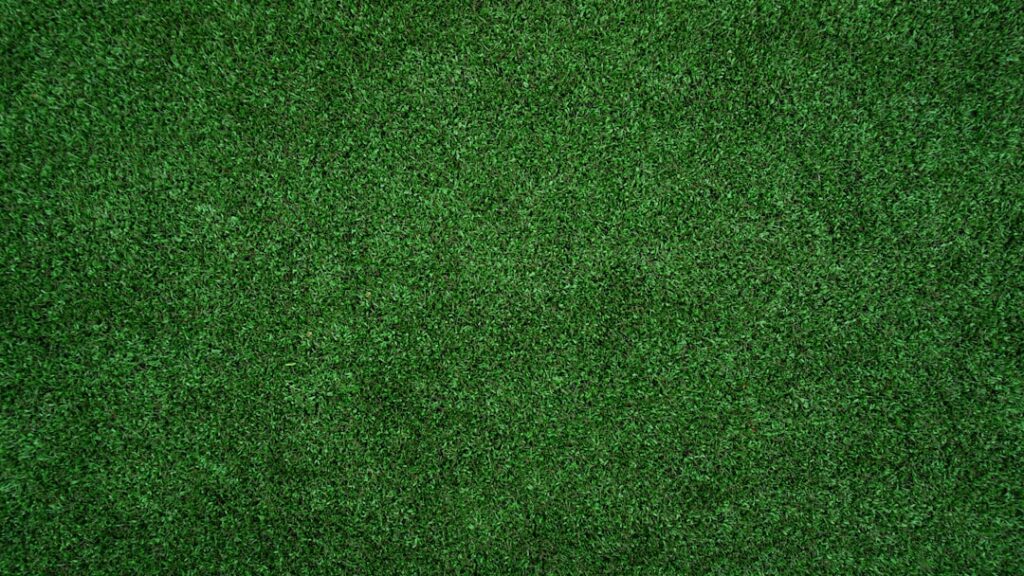
Green disappeared from American carpet showrooms for most of the 2000s and 2010s, replaced by an ocean of beige and gray. The pendulum has swung back hard since 2023, with sage, moss, and forest tones now appearing in catalogs from Shaw, Mohawk, and Karastan. Green carpet flooring brings color back into rooms without committing to a wall paint change, and the modern fiber chemistry handles staining far better than the avocado plush carpets of the 1970s ever did. The choice of shade, fiber, and pile style matters more than the color itself.
Why Green Is Trending Again
Designers point to three drivers. Biophilic design — the trend of pulling natural elements indoors — pushed green from accent walls into larger surfaces. Open floor plans with extensive neutral walls and ceilings created visual demand for warmth and color at floor level. And the rise of cottagecore, English country, and modern eclectic aesthetics rewards rooms that read curated rather than builder-grade. A sage or olive carpet anchors all three styles.
Sales data from the Carpet and Rug Institute shows green broadloom shipments up 41 percent year over year through 2025, with sage and dusty olive leading the mix.
Shade Categories and Where They Work
Not all green carpet looks the same in a room. The dominant shade families:
- Sage and dusty olive: Soft, gray-leaning greens that read almost neutral. Versatile for bedrooms, living rooms, offices.
- Moss and forest: Mid-tone saturated greens. Anchor large spaces, pair well with cream and warm wood.
- Emerald and jewel tones: High-chroma luxury looks. Drama in dining rooms or libraries.
- Lime and apple: Bright accent shades. Best in playrooms or kids’ rooms, not main living areas.
- Outdoor turf and putting green: Synthetic polyethylene turf for patios, garages, and basements
For most homes, sage and moss generate the broadest design longevity. Bright lime ages out of style within 3-5 years.
Fiber Options That Hold Color
Green dyes show fading more visibly than beige or gray, so fiber choice matters. The four main residential fibers in 2026:
- Solution-dyed nylon (SmartStrand, Stainmaster PetProtect): Color goes through the entire fiber. Best fade and stain resistance. $3.99-$6.99/sq ft.
- Polyester (PET): Vibrant color, softer hand. Less fade-resistant in direct sunlight. $1.79-$3.49/sq ft.
- Triexta (Mohawk SmartStrand): Permanent stain resistance, holds color well, recyclable. $2.99-$5.49/sq ft.
- Wool: Natural fiber, takes deep dye saturation, premium feel. $7.99-$15.99/sq ft.
For a sunlit room with large windows, solution-dyed nylon is the safest choice. For a north-facing bedroom or basement family room, polyester delivers the same look at half the price.
Brand Spotlight: Top Green Lines
Current options worth shortlisting:
- Shaw Anso Stainmaster in “Garden Path”: Solution-dyed nylon, sage tone, $4.99/sq ft
- Mohawk SmartStrand Forever Clean in “Mossy Hollow”: Triexta, moss green, $3.99/sq ft
- Karastan Kashmere III in “Evergreen”: Wool blend, forest green, $9.99/sq ft
- Stainmaster PetProtect in “Sage Meadow”: Nylon 6,6, pet-resistant, $4.49/sq ft
- SynLawn Cool Plus turf for outdoor use: Polyethylene, UV-stable, $5.99-$8.99/sq ft
Most brands now stock several green shades in their main catalogs rather than relegating them to custom orders.
Pile Style Matters as Much as Color
Pile style changes how green reads in a room. Three to consider:
Cut pile saxony: Smooth, velvety surface that shows footprint trails. Saturated colors look richest here, but heavy traffic dulls the surface within 3-5 years.
Berber loop: Tight loops, lower profile, durable. Green Berber reads as more casual and works in mudrooms or basement family rooms.
Frieze (twist): Tightly twisted fibers that hide tracks. Best balance of comfort and durability for living rooms and bedrooms.
For high-traffic green carpet, frieze in solution-dyed nylon delivers the longest visual life. For a formal sitting room with low traffic, plush saxony in wool gives the deepest color saturation.
Pros That Justify the Choice
Color brings personality to a room without requiring a permanent commitment to colored walls. Green specifically functions as a “biological neutral” — the human eye perceives it as restful and natural, making it easier to live with long-term than reds, yellows, or blues. Green pairs gracefully with cream, white, warm wood, brass, and most metallics, so existing furniture rarely needs replacement. Sage and olive shades hide dust and pet hair more effectively than pale beige carpets. And acoustic dampening — true of all carpet — softens room sound in a way that hard surfaces cannot match.
Cons You Should Weigh
Resale value is the main concern. Green carpet narrows the buyer pool when it comes time to sell, particularly in markets dominated by neutral spec-built homes. Direct sunlight from south-facing windows fades non-solution-dyed greens noticeably within 5-7 years — UV-protective window film helps. Cleaning chemistry matters more than for neutral carpets; bleach-based stain removers strip green dye on contact and leave permanent light spots. Use only carpet-specific cleaners like Folex Instant Carpet Spot Remover or Resolve Pet Stain & Odor for spills. And matching dye lots for future repairs is harder for saturated greens than for beige — order an extra 5 percent at install time and store rolls in a climate-controlled space.
Outdoor Green Carpet and Turf
Separate category worth mentioning. Synthetic polyethylene or polypropylene turf at $5-$12/sq ft installed handles patios, balconies, garage workshops, and basement workout zones. Look for UV-stabilized fibers rated for 8+ years of outdoor exposure, drainage rates above 30 gallons per minute per sq yard, and lead-free certification under California Prop 65. Synturf, SynLawn, and ForeverLawn make residential-grade products that work for these spaces. Skip the bargain Amazon turf — the fibers flatten and yellow within two seasons.
Maintenance Routine That Keeps Color Fresh
Vacuum twice weekly with a beater-bar machine adjusted to the correct pile height. Use a Crucial Vacuum or Miele Complete C3 with HEPA filtration. Professional hot-water extraction cleaning every 12-18 months keeps fibers bright; insist on a low-pH detergent and full extraction to prevent residue that attracts dirt. Treat spills within 60 seconds — blot, never scrub. For everyday spot cleaning, Folex Instant Carpet Spot Remover and Bissell OxyKleen are color-safe on green nylon and triexta. Properly maintained, a solution-dyed green nylon carpet stays vibrant for 12-15 years.