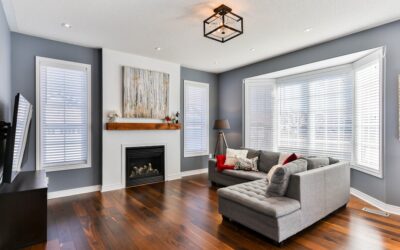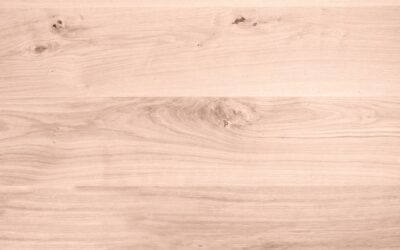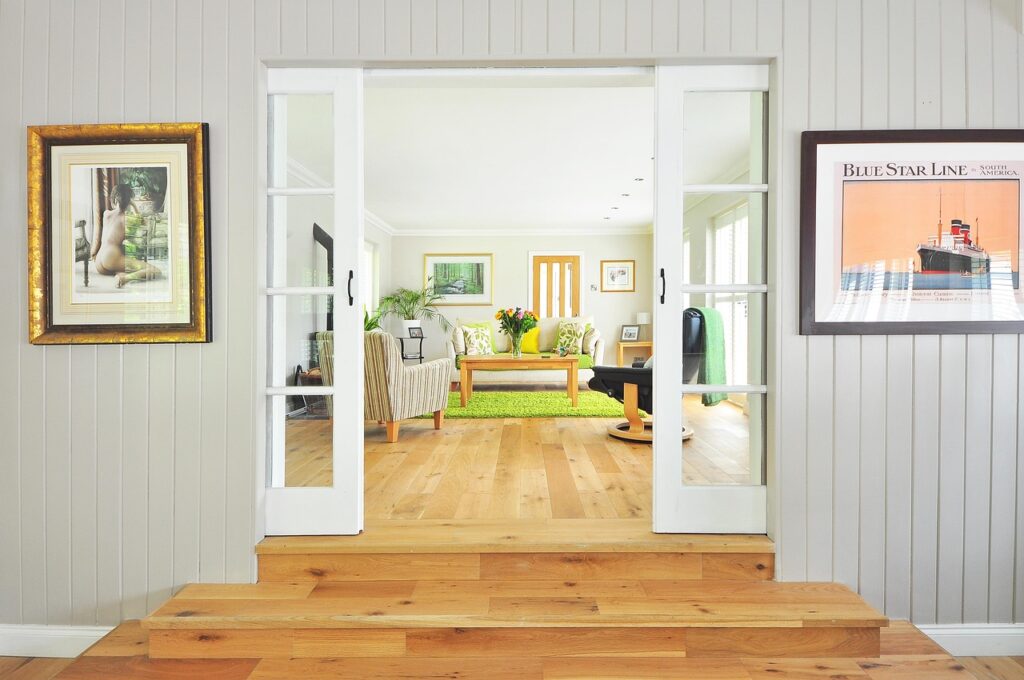
Grey hardwood floors have moved from a niche trend to a mainstream choice. The cool, modern look works with a wide range of interior styles — from coastal and Scandinavian to industrial and contemporary. Here’s everything you need to know about getting grey hardwood floors, from stain options to which wood species take grey the best.
- How Grey Hardwood Floors Are Made
- Best Wood Species for Grey Stain
- White Oak — Best Overall Choice
- Red Oak — Works With Caveats
- Maple — Challenging
- Hickory — Rustic Grey
- Ash — Underrated Option
- Popular Grey Stain Colors
- Light Grey / Whitewash Grey
- Classic Grey
- Greige (Grey + Beige)
- Charcoal / Dark Grey
- Weathered / Driftwood Grey
- Costs for Grey Hardwood Floors (2026)
- Finish Options Over Grey Stain
- Maintenance Tips for Grey Hardwood
- Is Grey Hardwood a Trend or a Classic?
- Grey Hardwood vs. Grey LVP
How Grey Hardwood Floors Are Made
There are three main ways to get grey hardwood:
1. Grey Stain on Raw Wood
Applying a grey-toned stain to unfinished or freshly sanded hardwood. This is the most common approach for existing floors or new solid hardwood installations. The stain penetrates the wood grain, and the final look depends heavily on the wood species, stain brand, application technique, and number of coats.
2. Pre-Finished Grey Hardwood
Buying engineered or solid hardwood that’s already stained and finished at the factory. The advantage is consistency — every plank looks the same because the stain was applied under controlled conditions. The disadvantage is that you’re locked into that exact color.
3. Reactive Staining (Fuming)
A chemical process where the wood is exposed to ammonia fumes or iron-based solutions that react with the tannins in the wood, producing a natural grey-silver tone. This works best on tannin-rich species like white oak. The result looks more organic and weathered compared to conventional grey stain.
Best Wood Species for Grey Stain
Not all wood species accept grey stain equally. The grain pattern, natural color, and tannin content all affect the outcome.
White Oak — Best Overall Choice
White oak is the top pick for grey floors and it’s not close. Here’s why:
- Tight, straight grain pattern creates a clean, modern look
- High tannin content reacts beautifully with grey stains and reactive finishes
- Natural color is light to medium, allowing grey tones to show clearly
- Takes both warm grey and cool grey stains well
- Janka hardness of 1,360 — durable enough for most homes
- Rift and quarter-sawn white oak produces an especially modern grey look with minimal grain variation
Cost: $5.00-$10.00/sq ft for unfinished white oak (materials only), $8.00-$14.00/sq ft for pre-finished grey engineered white oak
Red Oak — Works With Caveats
Red oak is the most common existing hardwood floor in US homes. It can be stained grey, but the strong grain pattern and pinkish undertones make it trickier:
- The heavy grain shows through grey stain, creating more contrast than white oak
- Pink/red undertones can bleed through lighter grey stains, giving a mauve or warm cast
- Works better with darker grey stains (charcoal, dark ash) that mask the natural color
- Apply a wood conditioner or pre-stain before grey stain for more even absorption
If you already have red oak floors and want to go grey, it’s doable — just test stain samples in an inconspicuous area first. Results vary.
Maple — Challenging
Maple’s tight, closed grain doesn’t absorb stain well, leading to blotchy results. Grey stain on maple often looks uneven with dark and light patches. If you’re set on grey maple, use a dye-based stain (water-soluble dye) rather than a pigmented stain, and apply a pre-stain conditioner. Even then, results are unpredictable.
Hickory — Rustic Grey
Hickory’s dramatic grain variation and natural color range (cream to dark brown) create a bold, rustic look when stained grey. The lighter sapwood takes grey differently than the darker heartwood, producing high contrast. This works great in farmhouse or rustic interiors but isn’t ideal for a clean, uniform grey look.
Ash — Underrated Option
Ash has a grain similar to oak but slightly more open. It takes grey stain well and produces a clean, Scandinavian-style result. Ash is less commonly available than oak and can be harder to source as a flooring product, but it’s worth considering.
Popular Grey Stain Colors
Light Grey / Whitewash Grey
A pale, washed-out grey that still shows significant wood grain. Creates a beachy, Scandinavian, or coastal vibe. Popular products:
- Bona NordicSeal (creates a raw, bleached-grey look on white oak)
- Rubio Monocoat Gris Belge
- DuraSeal Silvered Grey (light application)
Classic Grey
A true mid-tone grey — the most popular shade. Versatile enough for most interiors without being too light or too dark. Popular products:
- Bona DTS (Drive Through Stain) in Classic Grey
- DuraSeal Classic Grey
- Rubio Monocoat Silver Grey
Greige (Grey + Beige)
A warm grey with brown/beige undertones. Less stark than pure grey and works better with warm-toned furniture and cabinetry. This is trending strongly in 2026. Popular mixes:
- 50/50 mix of DuraSeal Classic Grey + Special Walnut
- Rubio Monocoat Stone
- Bona DTS in Drift
Charcoal / Dark Grey
A deep, dramatic grey that borders on dark brown in some lights. Hides dirt and scratches better than light grey but shows dust and pet hair. Popular products:
- DuraSeal Silvered Grey (heavy application)
- Rubio Monocoat Charcoal
- Custom mix: DuraSeal Classic Grey + Ebony (3:1 ratio)
Weathered / Driftwood Grey
An uneven, aged look that mimics naturally weathered wood. Achieved through reactive staining, layered stain application, or specialty products. Popular for farmhouse and coastal styles.
Costs for Grey Hardwood Floors (2026)
Refinishing Existing Floors to Grey
- Professional sanding and grey stain: $4.00-$7.00 per square foot
- Includes: Sanding to bare wood, stain application, 2-3 coats of polyurethane finish
- DIY sanding and staining: $1.50-$3.00 per square foot (rental equipment + materials)
- Timeline: 3-5 days including drying time between coats
New Grey Hardwood Installation
- Engineered pre-finished grey hardwood: $6.00-$14.00/sq ft materials, $10.00-$18.00/sq ft installed
- Solid unfinished white oak + grey stain: $5.00-$10.00/sq ft materials, $12.00-$20.00/sq ft installed (includes sanding, staining, and finishing)
- Budget option (grey LVP that looks like hardwood): $3.00-$6.00/sq ft materials, $5.00-$10.00/sq ft installed
Finish Options Over Grey Stain
The topcoat finish affects how the grey tone looks and how the floor performs:
- Matte water-based polyurethane: The most popular choice for grey floors. Doesn’t amber (yellow) over time, preserving the cool grey tone. Bona Traffic HD and Loba 2K Supra are top professional picks.
- Satin water-based poly: Slightly more sheen than matte. Shows more surface texture and grain. Also non-yellowing.
- Oil-based polyurethane: Avoid this on grey floors. Oil-based poly ambers significantly over time, turning your grey floor into a greenish-grey or yellowish-grey within a few years.
- Hardwax oil (Rubio Monocoat, Osmo): A natural-looking finish that soaks into the wood rather than sitting on top. Easy to spot-repair without refinishing the whole floor. Lower sheen, more natural feel. Needs reapplication every 2-5 years in high-traffic areas.
Maintenance Tips for Grey Hardwood
- Dust and pet hair are more visible on grey floors than on brown or natural tones. Plan on sweeping or dust mopping every 2-3 days.
- Water spots show easily on light grey floors. Wipe up spills quickly and use a barely-damp mop for cleaning.
- Use felt pads under all furniture legs — scratches on grey-stained floors reveal the natural wood color underneath, making them more obvious than scratches on naturally-toned floors.
- Avoid oil-based cleaning products that can yellow the surface over time.
- Recoat every 3-5 years with a water-based polyurethane to maintain protection. Hardwax oil floors need more frequent touch-ups but they’re easier to do yourself.
Is Grey Hardwood a Trend or a Classic?
Grey hardwood exploded in popularity around 2015-2018 and has remained a strong seller through 2026. The lighter, cooler-toned greys (greige, silver grey, driftwood) are holding up better long-term than the very dark or very blue-grey tones that were popular early on.
Some designers argue grey floors are peaking and warm browns will dominate the next cycle. That’s possible, but grey is versatile enough that it’s unlikely to look dated the way some 90s flooring trends did. The safest approach: choose a warm grey or greige that works with both cool and warm decor, and stick with white oak, which you can refinish in a different color down the road if tastes change.
Grey Hardwood vs. Grey LVP
If budget is a factor, grey luxury vinyl plank (LVP) delivers a similar visual at 40-60% of the cost. The differences:
- Real hardwood: Warmer feel, adds home value, can be refinished 2-4 times, develops character with age, costs more
- LVP: Waterproof, cheaper, harder to damage, can’t be refinished, doesn’t add the same resale value
For living rooms, bedrooms, and open-concept main floors, real grey hardwood is a strong investment. For basements, bathrooms, rentals, or budget renovations, grey LVP makes more practical sense.
Prefer to explore on your own?
See how new flooring looks in your actual room in seconds — free, no signup.
Try the free Floor Studio →