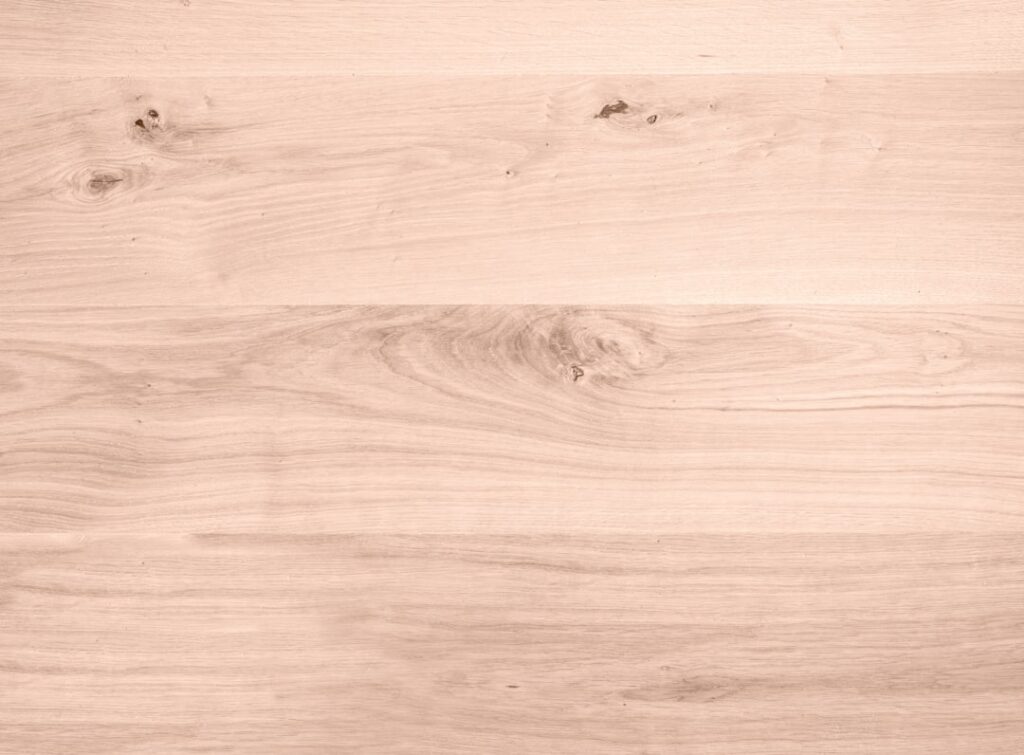
Solid unfinished hardwood flooring is bare wood, milled to 3/4 inch thick, that arrives with no stain and no topcoat, so it gets sanded, stained, and sealed after it is nailed down in your home. It is the old-school way hardwood was always installed, and for a lot of projects it is still the best way. When you want a truly seamless floor, an exact custom color, or a finish that flows into existing wood, unfinished is the route that gives you total control.
Prefinished flooring has taken over a big share of the market because it is faster and less messy, but it is not always better. There are real, concrete advantages to finishing on site that no factory board can replicate. There are also real drawbacks, dust, time, and fumes chief among them. Let me lay out both sides so you can decide which makes sense for your home.
- What Unfinished Hardwood Actually Is
- The Advantages of Finishing On Site
- The Downsides Worth Knowing
- Unfinished vs. Prefinished: The Honest Comparison
- What It Costs
- Installation and Finishing Steps
- Choosing a Finish for Your Floor
- Which Species Works Best Unfinished
- Is Solid Unfinished Hardwood Right for You?
What Unfinished Hardwood Actually Is
Unfinished solid hardwood is a plank of a single species, typically 3/4 inch thick and 2.25 to 5 inches wide, milled with tongue-and-groove edges but left raw. Oak, maple, hickory, walnut, and cherry are the common choices. After installation it goes through a multi-step process: rough sanding to flatten and remove mill marks, progressively finer sanding, optional staining, and then two to four coats of a protective finish such as oil-based polyurethane, water-based polyurethane, or a penetrating hardwax oil.
Because the sanding happens with the boards already in place, the entire floor becomes one dead-flat plane with no beveled edges between boards. That flat, monolithic surface is the defining look of a site-finished floor, and it is the single biggest reason people still choose unfinished over prefinished.
The Advantages of Finishing On Site
Total color control is the headline. With unfinished wood you are not picking from a dozen factory stains; you can custom-mix any tone, test it on your actual floor in your actual light, and dial it in exactly. If you are matching a stain to existing hardwood in an adjoining room, unfinished is really the only way to get an invisible transition.
The seamless surface is the second win. Prefinished boards have micro-beveled edges, small V-grooves at each seam that catch dirt and give the floor a segmented look. Site-finished floors are sanded flat with no bevels, so the surface is smooth end to end and easier to keep clean. The finish coat also flows across the seams, sealing them against water intrusion in a way that separated prefinished boards do not.
Longevity and repairability round it out. A 3/4-inch solid floor can be sanded and refinished 5 to 10 times over its life, which can span 75 to 100 years. When a section gets damaged, a site-finished floor is far easier to spot-repair and blend, because you control the finish and can feather it in.
The Downsides Worth Knowing
Time is the biggest cost you do not see on the invoice. Between installation, sanding, staining, and letting multiple finish coats cure, a site-finished floor ties up the room for about 5 to 8 days, sometimes longer if you are using oil-based poly that needs 24 hours between coats. You cannot walk on it in socks for a couple of days and should keep furniture and rugs off it for up to two weeks while the finish fully hardens.
Dust and fumes are the second reality. Sanding a floor generates fine wood dust, and while modern dustless sanding systems capture the vast majority, some always escapes. Oil-based polyurethane off-gasses strong solvent fumes with high VOCs for several days, so you will likely need to stay elsewhere or ventilate aggressively. Water-based finishes cut the fumes and cure faster but cost more.
Cost and skill are the last factors. On-site finishing is labor-intensive and demands an experienced pro; a bad sanding job leaves swirl marks, drum-sander waves, or uneven stain that are expensive to fix. This is not the place for a first-time DIYer with a rented sander.
Unfinished vs. Prefinished: The Honest Comparison
Prefinished boards come sealed from the factory with aluminum-oxide finishes that are extremely hard and carry warranties of 25 years or more. They install in a day or two with no sanding, no fumes, and you walk on them immediately. For a quick bedroom or a rental turnaround, that convenience is hard to beat.
Unfinished wins when the finished result matters more than speed: custom color, seamless flat surface, matching existing floors, or intricate patterns like herringbone where you want the finish to unify the whole layout. The tradeoff is straightforward, prefinished buys you time and cleanliness, unfinished buys you control and a superior final surface.
What It Costs
Unfinished solid hardwood material generally runs $3 to $8 per square foot depending on species and grade, with oak on the lower end and walnut or wide-plank cherry higher. The finishing process, sanding, staining, and three coats of finish, typically adds $3 to $5 per square foot in labor and materials, so installed and finished you are usually looking at $6 to $12 per square foot all in.
For a 400 square foot living room, that is roughly $2,400 to $4,800 finished. It often lands close to prefinished on total cost, but the money is split differently: you spend less on the boards and more on labor. The upside is that labor buys you the custom color and seamless surface a factory finish cannot deliver.
Installation and Finishing Steps
The sequence matters, and skipping steps shows in the finished floor. A typical site-finished job follows this order:
- Acclimate the wood in the room for 3 to 7 days until its moisture content is within 2 to 4 points of the subfloor.
- Nail or staple the boards down over a flat plywood subfloor, working from a straight starter line.
- Rough-sand with a drum or belt sander, then edge the perimeter, progressing through grits from about 36 up to 100 or 120.
- Vacuum thoroughly, apply stain if desired, and let it dry fully.
- Roll on two to four coats of finish, sanding lightly between coats, and allow full cure before moving furniture back.
Choosing a Finish for Your Floor
The finish you choose after sanding shapes both the look and the durability of the floor. Oil-based polyurethane is the traditional workhorse, building a warm amber tone and a tough film in two to three coats, but it carries high VOCs and cures slowly, needing about 24 hours between coats and up to 30 days to fully harden. Water-based polyurethane dries clear rather than amber, off-gasses far less, and cures faster, letting you recoat the same day, though it costs more and can raise the grain.
Penetrating hardwax oils are the third option, popular for a natural matte look that soaks into the wood rather than sitting on top. They are easy to spot-repair, since you can re-oil a worn area without sanding the whole floor, but they offer less outright water resistance than a poly film and need periodic re-oiling. Match the finish to your household: high-traffic homes with kids and pets usually do best with a durable water-based or oil-based poly, while a natural, low-sheen look leans toward hardwax oil.
Which Species Works Best Unfinished
Nearly any solid hardwood can be bought unfinished, but some take on-site finishing better than others. Red and white oak are the classic choices because their open grain accepts stain evenly and predictably, which is exactly what you want when custom-coloring on site. Maple, by contrast, has a tight grain that can blotch with dark stains, so it often looks best clear-finished or with a conditioner. Walnut and cherry bring rich natural color that many owners leave unstained. Because you control the stain step entirely, unfinished flooring lets you push a species toward a tone the factory never offered, which is a real creative advantage.
Is Solid Unfinished Hardwood Right for You?
Choose solid unfinished hardwood flooring if you want a custom stain color, a perfectly flat and seamless surface, or an invisible match to existing wood, and if you can tolerate the week of disruption, dust, and fumes it takes to get there. It is the premium, old-world way to do a wood floor, and the results reward the patience. It also gives you a floor you can refinish for generations.
Skip it if you need the room back in a day or two, cannot vacate during finishing, or are working on a tight timeline like a home sale. In those cases prefinished solid or engineered hardwood delivers most of the beauty with far less hassle. But when the finished floor is the star of the room and you want it exactly right, unfinished is still the standard the pros reach for.
Prefer to explore on your own?
See how new flooring looks in your actual room in seconds — free, no signup.
Try the free Floor Studio →