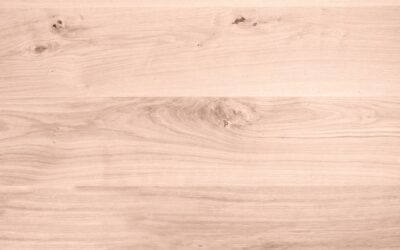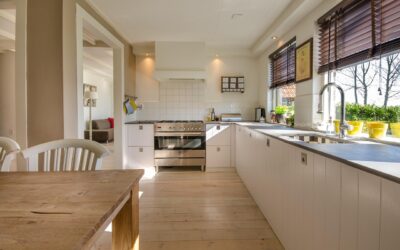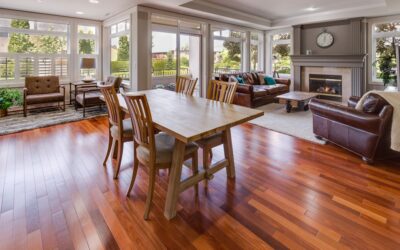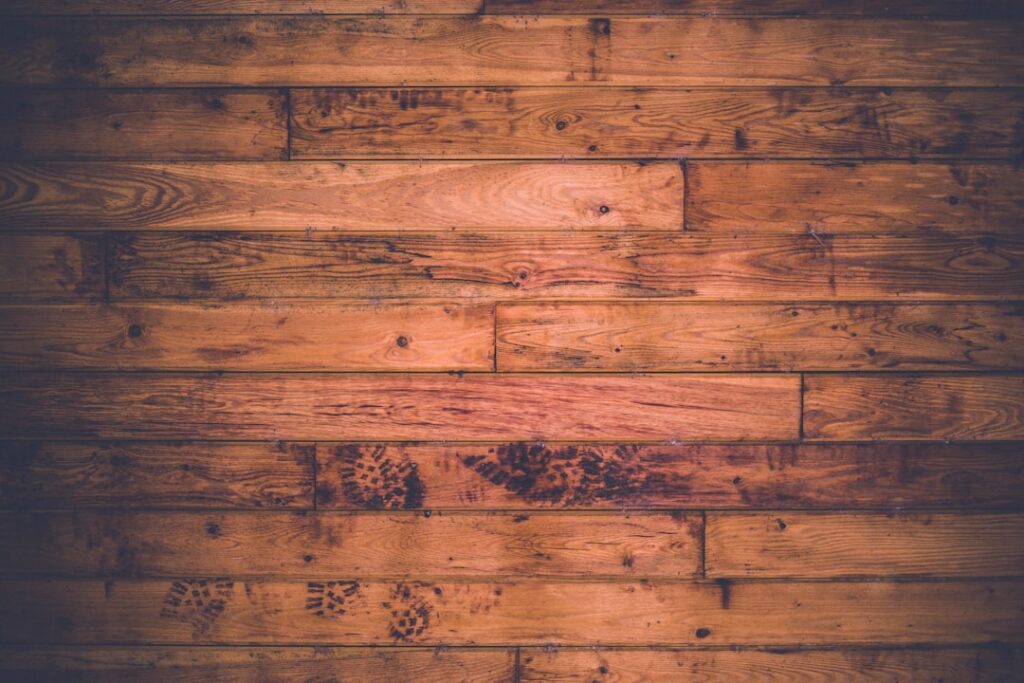
Before prefinished planks took over the flooring aisle, nearly every hardwood floor started the same way: raw boards nailed down, then sanded and finished in place. That traditional approach is still very much alive. Unfinished solid wood flooring is milled from a single piece of hardwood with no factory coating, so it is sanded, stained, and sealed after installation. The payoff is a truly custom, seamless floor and the ability to match any stain color you want. The tradeoff is a longer, messier installation. This guide covers when unfinished wood is the right call and how to buy it well.
- What Unfinished Solid Wood Flooring Actually Is
- The Advantages of Going Unfinished
- The Drawbacks to Weigh
- Cost Expectations
- Popular Species for Unfinished Floors
- The Installation and Finishing Process
- Is Unfinished Solid Wood Right for You?
- Choosing a Finish for Site-Applied Floors
- Buying Tips and What to Inspect
- Frequently Asked Questions
What Unfinished Solid Wood Flooring Actually Is
Solid wood flooring is exactly what it sounds like: each plank is a solid piece of hardwood, typically 3/4 inch thick, milled with tongue-and-groove edges. Unfinished means it arrives raw, with no stain or protective topcoat. After the boards are nailed to a wood subfloor and allowed to acclimate, the floor is sanded flat, stained to your chosen color, and sealed with polyurethane or a penetrating oil on site.
This differs from prefinished flooring, which comes sanded, stained, and sealed at the factory with a durable aluminum-oxide coating and is ready to walk on the day it is installed. Both are real wood; the difference is where and when the finishing happens.
The Advantages of Going Unfinished
A Truly Custom Color
With unfinished wood you are not limited to a manufacturer’s palette. You can test stains on your actual floor in your actual light and dial in the exact tone, from a pale natural to a deep espresso or a custom blend. This flexibility is the number one reason designers still specify unfinished floors.
A Seamless, Smooth Surface
Because the floor is sanded flat after installation, there are no micro-bevels between boards. Prefinished planks have small beveled edges where they meet; site-finished floors are sanded into one continuous plane, which many people prefer for a smoother, more classic look and easier cleaning.
Better for Matching Existing Floors
Extending or repairing an older site-finished floor is far easier with unfinished wood, because you can blend the new boards into the old and finish them all together so the seam disappears.
A Fully Sealed Surface
Site finishing flows polyurethane across the whole floor, sealing the seams between boards. This creates a more water-resistant surface at the joints than the tiny gaps left between prefinished planks.
The Drawbacks to Weigh
- Longer installation: Between acclimation, sanding, staining, and multiple finish coats with dry time, the job can take a week or more before you can move furniture back.
- Dust and fumes: Sanding creates fine dust, and oil-based finishes off-gas strong odors. Even with dust-containment systems, you will want to be out of the house during the worst of it.
- Less durable topcoat out of the box: Factory aluminum-oxide finishes are extremely hard. A quality site finish is durable, but reaching that same abrasion resistance depends on the products and coats used.
- Higher labor cost: You pay for installation plus sanding and finishing, which adds up compared to a click-and-go prefinished floor.
Cost Expectations
Unfinished solid hardwood material typically runs $3 to $8 per square foot for common species like oak, and more for exotics or wide planks. The finishing labor is the bigger variable. Sanding and finishing a floor generally costs $3 to $8 per square foot on top of installation, so an installed, finished unfinished floor often lands around $8 to $15 per square foot all in. Prefinished floors save on the finishing labor but cost more per plank, so the totals are often closer than people expect.
Popular Species for Unfinished Floors
- Red and white oak: The default for good reason. Affordable, widely available, hard enough for most homes, and it takes stain beautifully. White oak’s tighter grain suits modern gray and natural finishes.
- Maple: Very hard and pale, with a subtle grain. It can blotch with dark stains, so a light or natural finish shows it best.
- Hickory: Extremely hard with dramatic grain variation, ideal for rustic and high-traffic homes.
- Walnut: Rich, dark, and softer than oak. Prized for a luxurious look, often finished natural to show its color.
- Ash and cherry: Less common but available for specific looks; cherry deepens in color as it ages.
The Installation and Finishing Process
- Acclimate: Let the wood sit in the room for at least several days so its moisture content balances with the home. Skipping this causes gaps and cupping later.
- Install: Nail or staple the tongue-and-groove boards to a wood subfloor over a moisture barrier, staggering the seams.
- Sand: Make several passes with progressively finer grits, from coarse to around 100 to 120 grit, until the floor is flat and smooth.
- Stain (optional): Test colors first, then apply the chosen stain evenly and wipe the excess.
- Seal: Apply two to four coats of polyurethane or a penetrating oil finish, buffing lightly between coats.
- Cure: Wait for the finish to cure before replacing rugs and heavy furniture, often several days to a couple of weeks for full hardness.
Is Unfinished Solid Wood Right for You?
Choose unfinished if you want a custom stain color, a perfectly smooth seamless floor, or need to match an existing site-finished floor, and you can tolerate a longer, dustier installation. Choose prefinished if you want a fast, low-mess install with a very hard factory coating and are happy with an available color. Both are real solid wood that can be sanded and refinished multiple times over decades, so either way you are buying a floor that can last the life of the house.
Choosing a Finish for Site-Applied Floors
Once the floor is sanded, the finish you choose determines its durability, sheen, and how much it ambers over time. Oil-based polyurethane is the traditional choice: it is tough, self-levels beautifully, and lends a warm amber glow, but it dries slowly, smells strong, and yellows as it ages. Water-based polyurethane dries in a few hours, has far less odor, and stays clearer, keeping pale woods like maple and white oak looking crisp, though quality water-based products cost more. Penetrating hardwood oils, such as hardwax oils, soak into the wood for a natural, matte, low-sheen look that is easy to spot-repair, at the cost of more frequent reoiling. For a busy household with kids and pets, a commercial-grade water-based finish with two to three coats offers the best balance of durability, low odor, and color clarity.
Buying Tips and What to Inspect
When shopping for unfinished solid wood, quality varies more than with prefinished planks, so inspect carefully. Look at the grade: clear and select grades have minimal knots and consistent color, while common and rustic grades show more character and cost less. Check the milling by stacking a few boards to confirm they are flat and the tongue-and-groove edges are consistent, since poorly milled wood is a nightmare to install and sand. Confirm the moisture content is appropriate for your region, and always buy from the same lot number so color and grain match. Order 5 to 10 percent extra for cuts, waste, and future repairs, and store the wood in the installation room to acclimate before you begin.
Frequently Asked Questions
Is unfinished wood flooring cheaper than prefinished?
The raw material is often cheaper, but you pay extra for on-site sanding and finishing labor. Once finishing is included, the installed cost is frequently similar to prefinished.
How long does it take to finish an unfinished floor?
Plan on several days to over a week, including acclimation, sanding, staining, and multiple finish coats with dry time. Full curing before heavy furniture returns can take longer.
Can unfinished solid wood go over concrete?
Solid wood is traditionally nailed to a wood subfloor. Over concrete it must be glued down or installed over a plywood subfloor, and moisture must be tested and controlled first.
How many times can I refinish a solid wood floor?
A 3/4-inch solid floor can typically be sanded and refinished several times, often 4 to 7, over its lifespan, depending on how much material each sanding removes.
Prefer to explore on your own?
See how new flooring looks in your actual room in seconds — free, no signup.
Try the free Floor Studio →