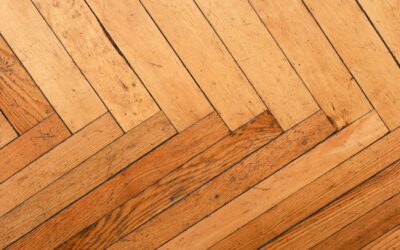
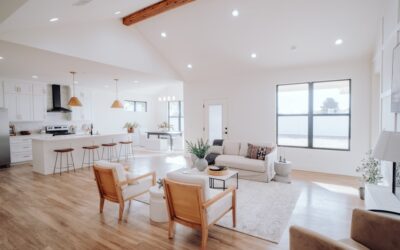
The first time I installed unfinished oak in a client’s living room, I lost three days to sanding, staining, and seven coats of polyurethane — plus a week of “do not walk on this” tension with a family of five. Switching to prefinished flooring the next year cut that job to a single afternoon, with the homeowner pushing furniture back the same evening. That speed-to-livable is the entire pitch, but the format carries trade-offs worth understanding before you commit a five-figure budget.
What Prefinished Means
Boards arrive from the factory already sanded, stained, sealed, and topcoated — usually with seven to nine layers of aluminum-oxide-fortified urethane cured under UV light. The result is a finish two to three times harder than what any contractor can apply on-site. Bona Traffic HD, the gold standard for site-finished floors, registers around 12 on a Taber abrasion test. Factory finishes from Mirage, Mohawk, and Anderson Tuftex routinely hit 25 to 35.
You will see prefinished flooring in both solid and engineered formats. Solid runs 3/4 inch thick and can be sanded multiple times. Engineered uses a real-wood wear layer (typically 2mm to 4mm) over a plywood or HDF core, which handles humidity swings better — important in basements, slabs, and the South.
The Pros That Actually Matter
Time and disruption come first. A 600 sq ft installation finishes in two to three days versus seven to ten for unfinished. No dust storm from drum sanders, no fumes from oil-based poly that linger for two weeks, and no awkward conversations with kids about staying off the floor.
Finish durability is the second win. Aluminum-oxide topcoats resist scratches from dog claws, kid scooters, and dropped car keys far better than even three coats of water-based polyurethane applied on-site. Most premium brands warranty the surface for 25 to 50 years residential, though warranty enforcement is famously creative.
Sample These Brands
- Mirage — Quebec-made, 25-year finish warranty, $7-12 per sq ft
- Mohawk RevWood — engineered hickory, $4.50-6 per sq ft
- Anderson Tuftex — wide-plank white oak, $8-11 per sq ft
- Bruce Hydropel — water-resistant solid oak, $5-7 per sq ft
- Shaw Repel — engineered hickory with sealed edges, $5.50-7 per sq ft
The Cons Nobody Mentions in the Showroom
Micro-bevels around every plank are the giveaway that you have prefinished flooring. Factories chamfer edges to hide subtle height differences between boards, but those V-grooves trap dust, hair, and crumbs that a regular vacuum head cannot reach. Plan on a soft-bristle attachment and a damp microfiber every two weeks.
Refinishing is also harder than sales reps admit. Yes, you can sand a solid prefinished floor — but you will grind through that hard aluminum-oxide layer and burn through 80-grit belts at three times the normal rate. Most pros charge a 20% to 30% premium to refinish prefinished floors versus naked wood. Engineered planks with 2mm wear layers can typically take only one light sanding before you hit the plywood.
Solid vs Engineered Prefinished
Solid wins on longevity if conditions stay stable — humidity between 35% and 55%, no wet basements, no slab-on-grade. Five sandings over a 60-year life is realistic. Engineered wins everywhere else. The cross-laminated core resists cupping when humidity swings 30%+ between January and July, which is most of the country.
If you live above the 40th parallel and run forced-air heat, get engineered. If you live in coastal California or any room above grade in a tight humidity range, solid is fine and arguably the better long-term value.
Cost Breakdown
Materials run a wide spread. Builder-grade prefinished oak from a big-box store starts at $3.50 per sq ft. Mid-tier engineered from Bruce or Shaw lands at $5 to $7. Wide-plank European white oak from Stuga, DuChateau, or Mirage runs $9 to $14. Add $3 to $5 per sq ft for installation if you nail down to plywood, $4 to $6 for glue-down on slabs.
For a 1,000 sq ft project, total installed cost typically runs $9,500 to $18,000. Compare that to unfinished oak at $4 per sq ft material plus $5 per sq ft for labor and finishing — roughly $9,000 — and the premium for prefinished flooring is mostly time savings and finish hardness.
Installation Tips From the Crew
Acclimate every box for 5 to 7 days inside the actual install room, not the garage or basement. Stack boxes in a brick pattern with airflow gaps, not sealed walls. Skipping this step is the number one cause of post-install gaps in winter.
Use a 21-gauge cleat nail rather than a staple — staples can crack the tongue on prefinished products with their harder finish layers. Set your nailer to 70 to 80 PSI and test on a scrap; over-driving will dimple the surface in a way you cannot sand out.
Layout Matters
Run boards perpendicular to floor joists when possible, parallel to the longest wall when not. Stagger end joints by at least 6 inches and avoid the “H-pattern” where joints align in alternating rows — it screams cheap install and is the first thing a future home inspector will ding.
Maintenance and Care
Daily care for prefinished hardwood is a microfiber dust mop or a soft-bristle vacuum attachment — never a beater bar. Weekly damp-mopping with Bona Hardwood Cleaner keeps the aluminum-oxide topcoat looking new for decades. Skip vinegar, ammonia, Murphy Oil Soap, and any wax-based polish. Each leaves residue that dulls the finish and traps grit, accelerating wear in entryways and kitchen work zones.
Felt pads under every chair leg, table foot, and sofa base are non-negotiable. Replace them every 6 months because they pack down and lose effectiveness. For rolling office chairs, swap hard plastic casters for soft rubberized casters or use a chair mat. Hard wheels cut visible tracks into prefinished oak within months at heavy-use desks.
When Unfinished Still Wins
Custom stain matching, perfectly flush seams (no micro-bevels), and the ability to feather repairs are all unfinished-only advantages. If you are restoring a 1920s craftsman with original quarter-sawn oak, matching with prefinished planks rarely looks right. For new construction, kitchen remodels, and rental flips, prefinished flooring wins on every metric the homeowner actually cares about.
Prefer to explore on your own?
See how new flooring looks in your actual room in seconds — free, no signup.
Try the free Floor Studio →