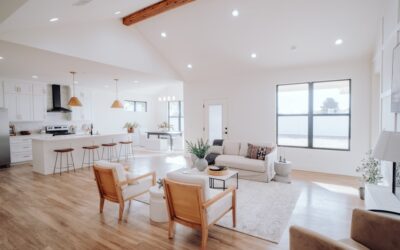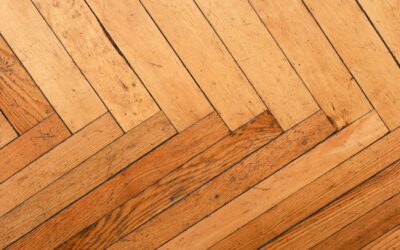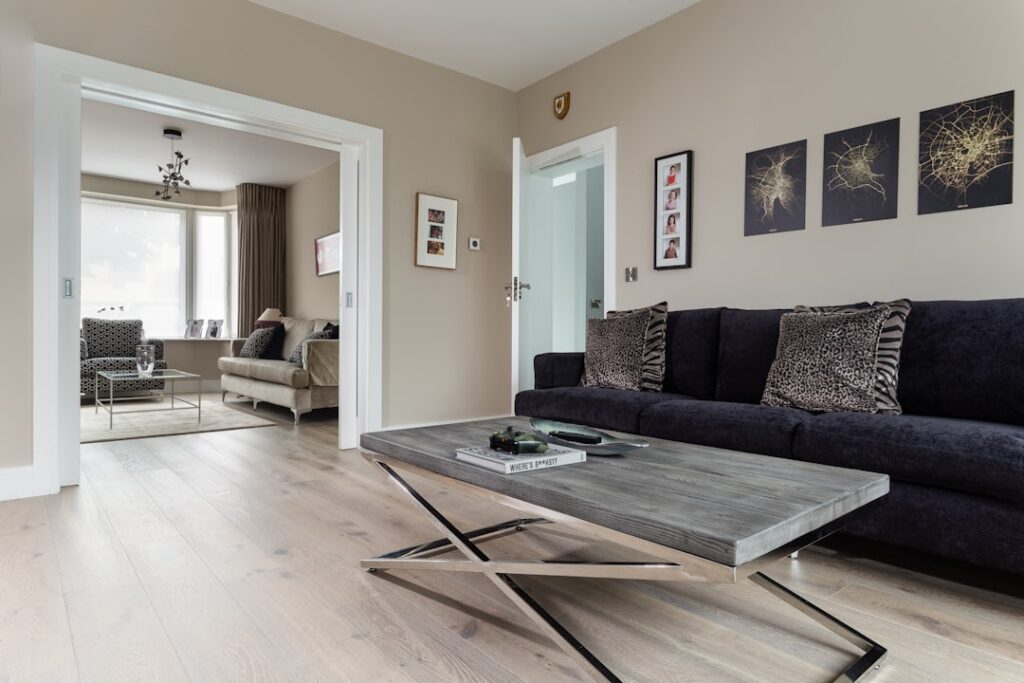
Twenty years ago, most hardwood floors arrived raw and got sanded, stained, and coated on site. That approach still exists, but the vast majority of American homes today are floored with prefinished wood flooring — boards that leave the factory with stain and protective topcoat already applied, ready to walk on the minute they click together. The shift happened because factory finishes are more durable, installs are faster, and homeowners avoid days of dust and fumes. This guide breaks down the construction, the quality variables that separate premium from budget, and the trade-offs versus site-finished floors.
- How Prefinished Flooring Is Made
- Pros of Prefinished Wood Flooring
- Cons to Consider
- Construction: Solid vs Engineered
- Wear Layer Math on Engineered Products
- Finish Types Within the Prefinished Category
- Top Prefinished Brands Worth Knowing
- Pricing Breakdown
- Site-Finished vs Prefinished: When Each Wins
- Installation Notes
- Maintenance
- Bottom Line
How Prefinished Flooring Is Made
Boards move through factory lines where they are sanded flat, stained to spec, and coated in five to nine layers of UV-cured urethane mixed with aluminum oxide particles. The aluminum oxide is the wear secret — it is second only to diamond in hardness, so a prefinished plank shrugs off scratches that would cut through a site-applied oil or polyurethane film.
After coating, boards are quality-graded, edge-profiled (typically with a micro-bevel), and packed. By the time they reach your home, the finish is fully cured and ready for furniture the same day as install.
Pros of Prefinished Wood Flooring
- Factory-applied finish is significantly harder than any site-applied coating — 15 to 25 year wear warranties are standard.
- No dust or fumes in the home during install. Sanding and finishing stay at the factory.
- Same-day walkability — furniture can return to the room the day the last plank locks in.
- Consistent color across planks and from box to box (when you order the same production run).
- Lower labor cost: install only, no sand and finish charges.
- Warranty protection covers both construction and finish wear.
- Wide catalog of species, stains, widths, and edge treatments.
Cons to Consider
- Micro-beveled edges collect dust, and each plank reads slightly as an individual board rather than a seamless surface.
- Difficult to match if discontinued, which complicates future repairs.
- Refinishing a prefinished floor is harder — aluminum oxide dulls sandpaper quickly.
- Premium prefinished products can cost as much as site-finished labor plus materials.
- Color options are locked; you cannot customize stain to match a specific piece of furniture.
Construction: Solid vs Engineered
Solid Prefinished
A single piece of wood, typically 3/4 inch thick. Sanded, stained, and finished at the factory. Best over plywood subfloor in climate-controlled homes. Can be sanded and refinished 3 to 5 times over the floor’s life.
Engineered Prefinished
A wood wear layer (1mm to 6mm) bonded to a multi-ply birch, poplar, or HDF core. Total thickness 3/8 to 3/4 inch. Works over concrete, radiant heat, and in basements. Can be refinished 1 to 4 times depending on wear layer thickness.
Over slab construction or radiant heat, engineered is the only reasonable choice. Over plywood in a single-family home in a temperate climate, both work.
Wear Layer Math on Engineered Products
The wear layer is the only part that sees daily life. Thicker means more future sandings possible.
- 1mm to 2mm: entry level. One light sanding possible, sometimes none. Treat as replace-when-worn.
- 3mm: mid-tier. 1 to 2 sandings possible. Most popular spec.
- 4mm: premium. 2 to 3 sandings, equivalent refinishing life to solid wood.
- 6mm: designer and commercial. 3 to 4 sandings.
Finish Types Within the Prefinished Category
Aluminum Oxide UV-Cured Urethane
The industry workhorse. 5 to 9 coats cured with ultraviolet light create an extremely tough film. Suits most family homes.
Ceramic-Bead Finishes
Bruce Natural Reflections and similar products embed tiny ceramic particles for extra abrasion resistance. Mostly discontinued as aluminum oxide chemistry improved.
Oil-Impregnated Factory Finish
Kahrs Silk Oil, Stuga oiled finishes, Rubio Monocoat factory-applied. Penetrates the wood rather than forming a film. Reads more natural, spot-repairable, needs oil refresh every 3 to 5 years.
Wire-Brushed Factory Finish
Boards are mechanically brushed before coating to expose the hard grain. Texture hides scratches and dust. Popular in modern farmhouse and transitional design.
Top Prefinished Brands Worth Knowing
- Mirage: Canadian manufacturer, premium solid and engineered, exceptional quality control.
- Lauzon: Canadian, Titanium finish technology with antimicrobial properties.
- Kahrs: Swedish engineered, long planks, oil finishes, strong eco credentials.
- Mohawk RevWood and TecWood: mainstream domestic brand, Home Depot and Lowe’s availability.
- Shaw Epic Plus: wide-plank engineered with thick wear layers, broad retail network.
- Armstrong American Scrape: hand-scraped domestic oak and hickory, good value tier.
- Bruce: solid oak at budget pricing, widely stocked.
Pricing Breakdown
- Budget ($3 to $5 per sq ft): Bruce, Somerset builder-grade, off-brand imports.
- Mid-range ($5 to $9 per sq ft): Mohawk TecWood, Shaw, Mullican, Mirage standard lines.
- Premium ($9 to $15 per sq ft): Mirage Admiration, Lauzon, Kahrs, Stuga.
- Designer ($15 to $22 per sq ft): DuChateau, Legno Bastone, custom European mills.
Installation typically adds $3 to $6 per sq ft for glue or nail-down on straight layouts, more for herringbone, chevron, or complex transitions.
Site-Finished vs Prefinished: When Each Wins
Pick Prefinished When
- You want to minimize dust and downtime.
- You are installing over an existing room with furniture nearby.
- You want the hardest-wearing finish available.
- You are open to factory color options rather than custom stains.
Pick Site-Finished When
- You want a seamless surface with no micro-bevels between boards.
- You need a custom stain color to match furniture or trim.
- You are refinishing existing hardwood instead of replacing.
- You are restoring a historic home with authenticity standards.
Installation Notes
- Acclimate boxes 3 to 5 days at final interior conditions.
- Subfloor moisture: test to manufacturer spec (typically 12 percent for wood, 3 pounds per 1,000 sq ft per 24 hours for concrete).
- Expansion gap: 1/2 inch around walls, covered by baseboards or quarter round.
- Rack boards from multiple boxes to blend shade variation naturally.
- Buy 10 percent overage and save one unopened box for future repairs.
Maintenance
Sweep daily, microfiber dust mop in high-traffic areas, and damp mop weekly with Bona Pro Hardwood cleaner. Never use oil soap, steam mops, or vinegar — these dull or damage aluminum oxide finishes. Furniture pads on every chair and refreshing entry mats every few years protect the wear layer.
Bottom Line
Prefinished wood flooring delivers a tougher finish, a faster install, and a cleaner build experience than site-finished alternatives for almost every residential project. Focus on wear layer thickness, species hardness, and a reputable brand with a warranty you can actually enforce. Specify 3mm or thicker engineered or 3/4 inch solid, micro-bevel edges, and aluminum oxide finish, and the floor pays you back with two decades of low-maintenance service. Site-finished still wins for seamless custom work, but prefinished wins the volume for a reason.
Prefer to explore on your own?
See how new flooring looks in your actual room in seconds — free, no signup.
Try the free Floor Studio →