
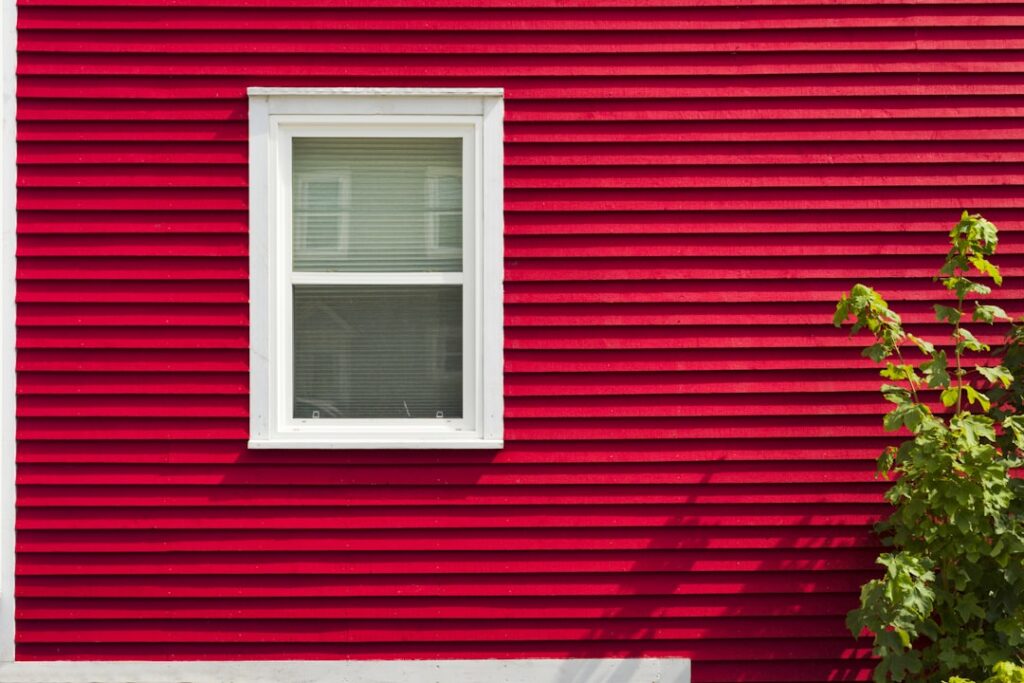
Grey has quietly become the most-installed exterior color in American suburbs over the last decade. Look at any new development from Raleigh to Reno and you’ll see at least half the homes wearing some shade of grey siding. A well-executed grey siding house looks timeless and sophisticated. A poorly chosen shade looks dingy or institutional. The difference comes down to undertone, trim contrast, and how the color reads against your roof and landscaping.
This guide walks through the shades that work, the pairings that fail, and the small design choices that turn a basic grey exterior into something that stands out for the right reasons. After consulting on hundreds of exterior color schemes, the patterns are clear.
Understanding Grey Undertones
Grey is never just grey. Every shade has an undertone that pushes it toward blue, green, taupe (warm grey), or purple. Picking the wrong undertone for your light conditions and roof is the single most common mistake in exterior color selection.
- Blue-grey: Cool, modern, reads crisp. Works well in sunny climates and with white trim
- Green-grey: Natural, almost mossy. Pairs with cedar, stone, and wooded settings
- Taupe-grey (greige): Warm, transitional. Forgives bad lighting and looks rich in shaded areas
- Purple-grey: Rare but striking. Risky in full sun where the lavender can dominate
- Pure or neutral grey: Hard to find truly neutral; most “neutral” greys lean slightly cool
To test undertones, put paint chips side by side outdoors in direct sunlight, then again in shade. The undertone shifts dramatically across lighting conditions. A grey that looks neutral on the swatch in the store often reads distinctly blue at noon and warm at sunset.
Best-Selling Grey Siding Colors
The most consistently well-received grey siding shades across architectural styles include:
- Sherwin-Williams Repose Gray (SW 7015): Warm greige, works in most climates
- Benjamin Moore Revere Pewter (HC-172): Slightly warmer, popular with white trim
- Sherwin-Williams Gauntlet Gray (SW 7019): Deep charcoal, modern farmhouse favorite
- Benjamin Moore Coventry Gray (HC-169): Mid-tone classic blue-grey
- Sherwin-Williams Anonymous (SW 7046): Dark, dramatic, pairs with white trim
- Benjamin Moore Iron Mountain (2134-30): Almost black, contemporary statement
For pre-finished siding products like James Hardie ColorPlus, the most popular colors are Aged Pewter (mid-grey), Pearl Gray (light cool grey), and Iron Gray (deep charcoal). LP SmartSide offers similar tones in its prefinished line.
Choosing the Right Trim Color
Trim contrast makes or breaks a grey siding house. Three trim approaches dominate, each with a different effect:
- White trim: High contrast, classic, makes details pop. Use a clean white like Benjamin Moore Decorator’s White or Sherwin-Williams Pure White, not a creamy off-white
- Black trim: Bold contemporary look, especially with light to mid-tone grey siding. Tricolor Black, Iron Ore, or Tricorn Black are popular choices
- Tone-on-tone: Trim two shades lighter or darker than the siding. Subtle and sophisticated, but reads less crisp from the street
The biggest trim mistake is using a “soft white” or cream against a cool grey. The yellow undertone in the cream fights with the cool blue-grey and the whole house looks muddy. Match temperature: cool greys want crisp whites, warm greys can handle creamier whites.
Roof Color Coordination
The roof is the largest fixed element in your exterior color scheme. If you’re not replacing the roof, the siding shade has to work with what’s there. Grey siding pairs well with:
- Charcoal or black shingles: Always works. The most foolproof pairing
- Weathered wood shingles: Warm grey siding (greige) complements brown tones
- Slate grey shingles: Mid-tone grey siding for a monochromatic effect
- Brown or terracotta shingles: Warm greige siding only; cool greys will clash
- Green shingles: Green-grey siding looks intentional and woodsy
If your roof is brown or terracotta and you want a cool blue-grey siding, plan to replace the roof eventually or live with the visual mismatch. The combination is one of the most common complaints in homeowner color regret stories.
Accent Color Strategies
The front door is the easiest place to add personality to a grey home. Bold door colors that pair beautifully with grey siding include:
- Black (always elegant)
- Deep navy
- Burgundy or wine red
- Mustard yellow or warm gold
- Forest green
- Bright turquoise (works on coastal and cottage styles)
- Natural wood stain (cedar or mahogany)
Avoid trendy “millennial pink” or pastel doors on grey homes; they date quickly. Classic colors hold up over decades.
Shutters, when present, are usually safest in either matching trim color or a shade darker than the siding. Black shutters on light grey siding read traditional. Same-color shutters on a dark grey siding read modern.
Stone, Brick, and Mixed Materials
Many grey siding houses include stone or brick accents around the foundation, columns, or chimney. The mix only works if the stone or brick has a complementary undertone.
Grey limestone or bluestone pairs naturally with cool-grey siding. Warm-toned manufactured stone (think tans and rusts) wants a greige siding. Red brick is the trickiest. It pairs well with warm greige but fights with cool blue-greys. If you have red brick that’s staying, lean toward Revere Pewter or Repose Gray rather than Coventry Gray or Anonymous.
Curb Appeal Beyond Color
Even the perfect color won’t carry a poorly-styled exterior. Pair your grey with:
- Landscaping that includes green foliage (boxwood, holly, hydrangea) for color contrast
- A clear, well-lit walkway to the front door
- House numbers that match your trim color choice (black for traditional, brushed nickel or matte black for modern)
- A statement light fixture or two at the front door
- Window boxes in a contrasting color for cottage-style homes
Black metal accents (gutter, downspouts, lights, railings) tie a grey home together cohesively. Avoid mixing too many metal finishes; pick black or oil-rubbed bronze and commit.
Testing Before You Commit
Never select an exterior color from a small swatch in the store. Order at least three quart-sized samples of your top picks. Paint 2-foot by 2-foot test patches on the actual house, ideally on two different sides so you see how each color reads in morning and afternoon light. Live with the samples for at least a week before committing to the full exterior repaint or siding order.
For pre-finished products like Hardie or LP SmartSide, request actual product samples (most are free or under $5). The pre-finished color won’t shift like paint will, so the sample is exactly what you’ll get.
The Bottom Line
A well-chosen grey siding house looks great for the long haul. The keys are matching undertone to climate and roof, picking a trim color that supports rather than fights the siding, and using the front door to inject personality. Spend an extra weekend on samples before committing, and you’ll avoid the regret that comes with $20,000 in siding you don’t love.


