When a project calls for pushing grout, mortar, or slurry into places you cannot reach by hand, a grout pump turns a backbreaking day into a manageable one. But these machines are expensive to buy for a one-off job, which is why searching for grout pumps for rent is the smart move for most homeowners and small contractors. Whether you are filling block cores, injecting grout under a settled slab, or grouting a large tile floor, a rental gets you professional capability without the professional price tag. This guide covers the pump types available, what renting costs, which projects justify one, and how to operate it without turning your driveway into a cement disaster.
- What a Grout Pump Actually Does
- Common Types of Grout Pumps You Can Rent
- Projects That Justify Renting a Grout Pump
- What Grout Pumps for Rent Typically Cost
- How to Operate a Rented Grout Pump Safely
- Avoiding Clogs and Cleanup Nightmares
- Renting vs Hiring a Pro
- Questions to Ask the Rental Yard
- Estimating How Much Grout You Will Need
- Is a Full Day Enough Time
- Final Thoughts on Grout Pumps for Rent
What a Grout Pump Actually Does
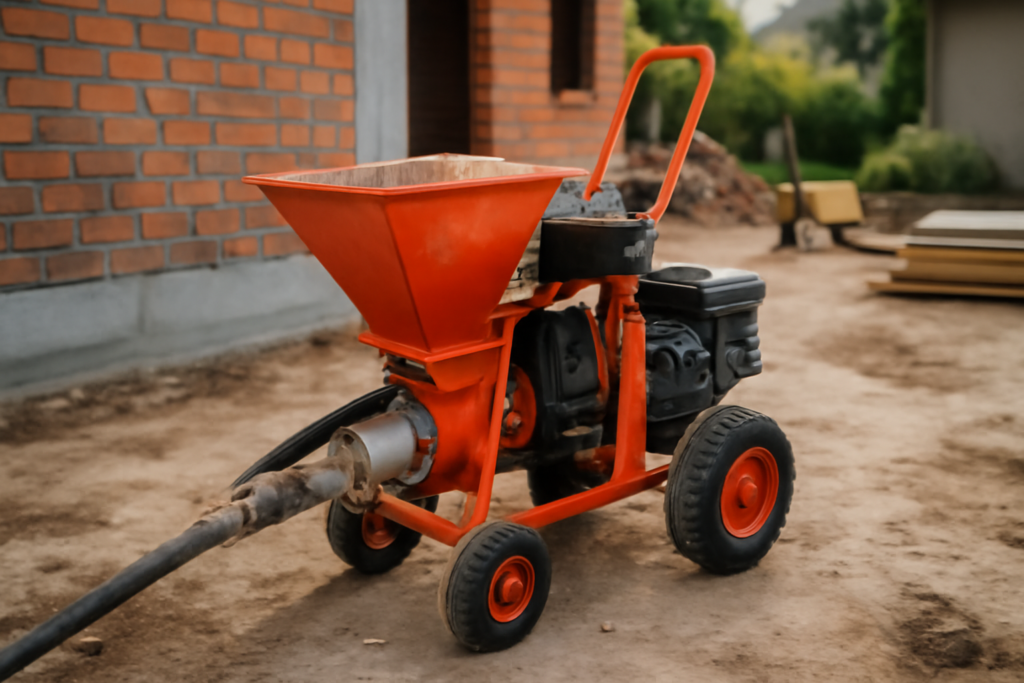
A grout pump moves fluid cementitious material through a hose under pressure, delivering it precisely where you need it. Instead of hauling buckets and troweling by hand, you feed the mix into a hopper and the pump pushes it out the nozzle. This matters for jobs where the grout has to travel, up a wall cavity, down into a void under concrete, or across a wide floor, and where consistency and speed are critical. The pressure also helps the grout fully fill voids that gravity and a trowel would miss.
Common Types of Grout Pumps You Can Rent
Rental yards typically stock a few different designs, each suited to particular jobs:
- Piston pumps: use a reciprocating piston to push thicker mixes at higher pressure, good for structural grouting and filling block cells.
- Peristaltic (hose) pumps: squeeze grout through a flexible tube with rollers; gentle, easy to clean, and forgiving of varied mixes.
- Progressive cavity pumps: deliver a smooth, continuous flow ideal for self-leveling grouts and consistent output.
- Small electric grout pumps: compact units for tile grouting, crack injection, and lighter residential work.
For most homeowner projects, a smaller electric or peristaltic unit is plenty. Large structural or slab-jacking jobs call for the heavier piston machines, which the yard can help you match to your mix.
Projects That Justify Renting a Grout Pump
Not every grouting task needs a pump, but several clearly do:
- Filling concrete block cores in a wall or foundation with grout for reinforcement.
- Slab lifting and void filling under settled concrete driveways, patios, or garage floors.
- Large tile installations where hand-grouting thousands of joints would take days.
- Grouting under equipment or base plates that must be fully supported.
- Crack and cavity injection to seal or stabilize masonry.
- Post-tension cable and rebar sleeve grouting on larger builds.
If you are grouting a single small bathroom floor, a bucket and float are fine. Once the volume or the reach exceeds what your arms can handle in a reasonable time, a pump earns its keep.
What Grout Pumps for Rent Typically Cost
Rental pricing varies by pump size, region, and rental yard, but general ranges look like this:
- Small electric grout pumps: roughly $75 to $150 per day.
- Mid-size peristaltic or progressive cavity units: about $150 to $300 per day.
- Large piston or structural pumps: $300 to $600 or more per day, sometimes with delivery fees.
- Weekly rates usually run three to four times the daily rate, a savings for longer jobs.
Budget for extras too: hoses, nozzles, a deposit, and possibly a cleaning fee if you return the unit dirty. Many yards also require you to buy or rent the specific hose length for your job.
How to Operate a Rented Grout Pump Safely
These machines are straightforward but not toy-simple. Follow a disciplined routine:
- Get a demo. Ask the rental staff to walk you through startup, priming, and shutdown before you leave.
- Prime the pump. Run water or a thin slurry through first to lubricate the hose so the grout flows without seizing.
- Mix to the right consistency. Too thick and it clogs, too thin and it separates. Follow the grout manufacturer’s water ratio precisely.
- Keep the hopper fed. Never let it run dry, which draws air into the line and causes surging and blockages.
- Wear protection. Grout is caustic; use gloves, eye protection, and long sleeves.
- Manage the hose. Keep it as straight as possible, sharp kinks invite clogs and pressure spikes.
Avoiding Clogs and Cleanup Nightmares
The number-one way to ruin a grout pump rental, and lose your deposit, is letting cement set inside the machine. Prevention is everything:
- Clean immediately after use. The moment you finish, flush the hopper, pump, and hose with water until it runs clear.
- Run a cleaning sponge or ball through the hose to push out residual grout.
- Do not take long breaks with grout sitting in the line; it can begin to set in as little as an hour.
- Keep the mix uniform to prevent the aggregate from separating and jamming the pump.
A pump returned with hardened grout inside may cost you hundreds in cleaning or damage fees, so treat cleanup as part of the job, not an afterthought.
Renting vs Hiring a Pro
Before you rent, weigh whether the job is really DIY-appropriate. Renting makes sense when you are comfortable mixing to spec, the job is moderate in scope, and you can handle the cleanup. Hiring a professional grouting or slab-jacking contractor makes more sense for structural work where a mistake compromises safety, or for jobs so large that the pro’s efficiency offsets their cost. For a motivated DIYer filling block cells or grouting a big floor, though, a rental keeps hundreds of dollars in your pocket.
Questions to Ask the Rental Yard
- Which pump type suits my specific grout mix and job?
- What hose length and nozzle come with it, and are they extra?
- What is the maximum aggregate size the pump can handle?
- Is there a cleaning fee, and what condition must it be returned in?
- Do you deliver, and is training included?
Clear answers up front prevent surprises and help you match the machine to the work.
Estimating How Much Grout You Will Need
Before you pick up the rental, calculate your grout volume so you neither run short mid-pour nor waste expensive material. For filling block cores, figure the number of cells and their volume; for slab void filling, estimate the gap thickness across the area; for tile, use the coverage chart on the grout bag. A good habit is to mix in manageable batches that you can pump before the material begins to set, rather than mixing a huge load that stiffens in the hopper. Running out is a minor inconvenience, but letting a big batch cure before you can pump it wastes both grout and rental time.
Match your batch size to your pace. A steady two-person crew, one mixing and feeding, one working the nozzle, keeps the pump fed continuously and the grout moving, which is exactly the rhythm that prevents clogs and gets the job done within a single rental day.
Is a Full Day Enough Time
Homeowners often underestimate setup and cleanup. Budget realistic time: figure 30 to 60 minutes to prime and test the pump, then your actual pumping, then a solid 30 minutes to flush and clean the machine thoroughly. For a modest block wall or a single-room floor, a one-day rental is usually plenty. For larger structural jobs or multiple slabs, a weekend or weekly rate often makes more sense and costs less per day. When in doubt, give yourself the extra time rather than racing the clock, since rushing is how grout ends up curing inside a rented pump.
Final Thoughts on Grout Pumps for Rent
Looking into grout pumps for rent is one of the savviest decisions you can make when a grouting job exceeds what a bucket and trowel can reasonably handle. For a modest daily fee, you get a machine that fills voids, cores, and joints faster and more thoroughly than manual work ever could, and you skip the steep cost of ownership. The keys to a smooth rental are matching the pump type to your mix, operating it with the hopper always fed, and flushing it spotless the instant you finish. Get those three things right and a rented grout pump will make short work of a project that would otherwise eat your entire weekend.