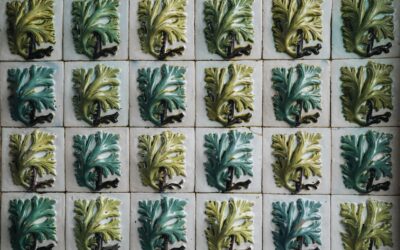
Hallways are the most overlooked square footage in the average home, treated as pass-through space and painted the same builder-beige as everything else. A well-placed hallway accent wall changes that instantly, giving a narrow corridor depth, personality, and a reason to slow down and look. Because hallways are small, they are the perfect low-risk place to try a bold color or texture you would hesitate to commit to in a living room. This guide covers which wall to choose, the best materials for tight spaces, and the technique that keeps the result looking intentional rather than accidental.
- Why Hallways Are Ideal for an Accent
- Choosing the Right Wall
- Paint: The Fastest Transformation
- Wood Slat Walls for Warmth and Texture
- Wallpaper and Peel-and-Stick Options
- Lighting the Accent Wall
- Styling and Finishing Touches
- Molding and Millwork Upgrades
- Coordinating With Your Flooring
- Common Mistakes to Avoid
Why Hallways Are Ideal for an Accent
Small spaces reward big moves. A hallway rarely holds furniture, so an accent wall reads as pure design with nothing competing for attention. The square footage is minimal, which means premium materials that would blow the budget in a larger room become entirely affordable here. A single gallon of designer paint or a few boards of walnut can finish an entire corridor.
Corridors also benefit from a sense of destination. Placing the accent on the end wall draws the eye forward and makes a long hall feel purposeful instead of tunnel-like. Used well, an accent wall solves the two problems every hallway has: it feels dark, and it feels like nowhere.
Choosing the Right Wall
Not every surface in a corridor deserves the spotlight. The end wall, the one you face as you walk toward it, is almost always the strongest choice because it functions as a natural focal point. If your hallway has a niche, a stair landing, or a spot where you would hang art, that surface is your candidate.
- The terminating end wall for maximum focal impact in a straight corridor
- The wall at a turn or landing to guide movement through an L-shaped layout
- A single long wall when you want to widen a narrow feel with horizontal lines
- The stairwell wall to tie an upstairs hall into the entry below
Avoid accenting both long walls of a narrow hall at once, which closes the space in and feels claustrophobic. Restraint is what separates a designer look from a busy one.
Paint: The Fastest Transformation
Nothing changes a hallway faster or cheaper than paint. For a corridor, deep saturated colors work beautifully because the limited light flatters richness rather than washing it out. Think inky navy, forest green, charcoal, or a warm terracotta. A single gallon covers most end walls with a coat to spare, putting the whole project under $60.
For extra polish, add simple trim molding to create panel effects, sometimes called a board-and-batten or picture-frame treatment. Painting the trim and wall the same bold color, a technique called color drenching, makes a small space feel custom and cohesive. Use a satin or eggshell sheen in a hallway; the slight luster wipes clean of fingerprints and scuffs that flat paint holds onto.
Wood Slat Walls for Warmth and Texture
Vertical or horizontal wood slats have become one of the most popular accent treatments, and hallways are an ideal canvas. Slats add tactile warmth and a rhythmic pattern that a photo never fully captures. You can buy pre-made slat panels or build the look from individual boards spaced with a consistent gap.
For a DIY version, rip thin strips of pine, poplar, or oak, or buy pre-cut half-inch by three-quarter-inch trim. Mount a painted backer board first, usually in a dark tone so the gaps recede, then attach slats with construction adhesive and a brad nailer at even spacing. Horizontal slats visually stretch a narrow hall wider, while vertical slats raise a low ceiling. Stain the wood to match existing floors or trim for a built-in feel.
Wallpaper and Peel-and-Stick Options
Pattern brings a hallway to life in a way solid color cannot, and modern peel-and-stick wallpaper makes it renter-friendly and reversible. Because the accent covers just one wall, even a pricey designer print stays affordable. Geometric patterns, botanical prints, and textured grasscloth all perform well in corridors.
Hang wallpaper on a smooth, primed surface for the cleanest result, and start from a plumb line rather than trusting the corner to be straight, since almost none are. In high-traffic halls, choose a wipeable vinyl-coated paper over delicate uncoated stock. If you rent, traditional pasted paper on the end wall alone is easy to remove later, and peel-and-stick comes off cleaner still.
Lighting the Accent Wall
An accent wall in a dim hallway needs light to earn its keep. Even the boldest color falls flat in shadow. Wall sconces flanking the end wall, a picture light over framed art, or a row of recessed cans angled at the surface all bring the feature forward. Wall-washing with adjustable trims creates an even glow that flatters texture on a slat or wallpaper wall.
Layer in warm bulbs around 2700K to keep the corridor inviting rather than clinical. If wiring new fixtures is not in the budget, battery-powered puck lights or a plug-in picture light achieve much of the same effect for well under $50.
Styling and Finishing Touches
The wall itself is only half the design. A slim console table, a runner rug, and a mirror or a grid of framed prints turn the accent into a composed vignette. In a true pass-through with no floor space, lean the styling into the wall: a large piece of art, a sculptural clock, or floating shelves keep the sightline interesting.
Keep the palette disciplined. Pull one or two colors from the accent into the rug or art so the whole corridor reads as a single thought. A cohesive hallway accent wall feels designed from the moment you step into the space, not like an afterthought bolted onto a leftover hallway.
Molding and Millwork Upgrades
If flat paint feels too plain, architectural molding takes a hallway accent to another level. Applied wall molding, thin strips of trim arranged into rectangular frames on the wall, adds dimension and a tailored, old-world feel for well under $100 in materials. You cut lightweight primed molding to size, glue and pin it into evenly spaced boxes, then caulk, fill, and paint the wall and trim as one continuous surface.
Board-and-batten is another millwork option suited to corridors. Vertical battens spaced 12 to 16 inches apart over a painted base create a rhythm that feels both traditional and current, and the raised texture hides minor wall imperfections. For a lower-effort version, a simple picture rail or a chair-rail line with two paint colors above and below gives a hallway structure without any carpentry. These details signal craftsmanship and make a narrow pass-through feel deliberately designed.
Coordinating With Your Flooring
An accent wall never lives alone; it sits above whatever runs along the floor, so the two should speak to each other. A warm wood-toned floor pairs beautifully with a stained slat wall or an earthy paint color, while a cool gray tile or vinyl floor supports crisp navy, charcoal, or deep green accents. Pulling a hint of the flooring’s undertone into the wall color ties the corridor together and keeps it from feeling like two unrelated design decisions stacked on top of each other.
Consider the runner rug as a bridge between the two. A patterned runner that carries one color from the accent wall down to the floor unifies the whole space and softens the acoustics of a hard-surfaced hall. When the wall, rug, and floor share a common thread, even a plain corridor reads as a finished, cohesive room rather than leftover square footage.
Common Mistakes to Avoid
Two errors sink most hallway projects. The first is choosing the wrong wall, usually a random long wall that has no focal logic, which leaves the accent feeling stranded. The second is skipping surface prep. Corridors take abuse from shoulders, luggage, and vacuum cleaners, so fill nail holes, sand ridges, and prime before you paint or paper. A flawless surface is what makes a bold treatment look expensive.
Start small if you are unsure. A single gallon of dramatic paint on the end wall costs almost nothing and takes an afternoon, yet it can completely reset how your home feels the moment you walk in. Once you see how much a corridor can change, the harder decision becomes which wall to tackle next.