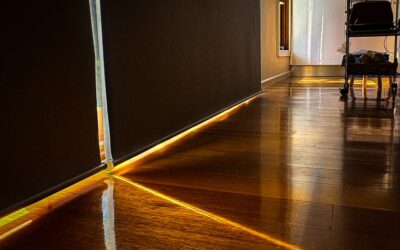
Hardwood floor polish is one of the most misunderstood products in floor care. Many homeowners confuse it with wax, cleaner, or even polyurethane — but polish serves a very specific purpose: it deposits a thin protective layer on top of your existing finish to restore shine, fill in micro-scratches, and extend the time between full refinishing jobs.
Used correctly, a quality hardwood floor polish can make dull polyurethane floors look freshly refinished for a fraction of the cost. Used incorrectly — or on the wrong type of floor — it creates a hazy, sticky mess. This guide explains exactly when to use polish, the best products available, proper application technique, and the critical differences between polish, wax, and cleaner.
- What Is Hardwood Floor Polish?
- Polish vs Wax vs Cleaner: Three Different Products
- When to Use Hardwood Floor Polish
- Best Hardwood Floor Polish Products (2026)
- How to Apply Hardwood Floor Polish: Step by Step
- How Often Should You Polish Hardwood Floors?
- Polyurethane Floors vs Oil-Finished Floors
- Warning Signs You Need Refinishing Instead of Polish
- Common Polish Mistakes to Avoid
- Frequently Asked Questions
- Is hardwood floor polish the same as polyurethane?
- Can I use hardwood floor polish on engineered hardwood?
- Does hardwood floor polish make floors slippery?
- How do I remove hardwood floor polish buildup?
- Can I polish hardwood floors with vinegar?
- Should I polish or wax my hardwood floors?
- How long does hardwood floor polish last?


What Is Hardwood Floor Polish?
Hardwood floor polish is a water-based acrylic or urethane product that sits on top of your floor’s existing finish. It does not penetrate the wood — it forms a thin, clear film over the polyurethane or aluminum oxide coating that is already protecting your hardwood. Think of it like a clear coat of nail polish over an existing manicure: it adds shine and a sacrificial layer of protection without changing the underlying finish.
Most modern polishes are water-based and dry to a clear, hard film in 15 to 30 minutes. They fill in fine surface scratches, even out dull spots, and create a uniform sheen across the entire floor. The result is a floor that looks refreshed and glossy without the expense or disruption of sanding and refinishing.
It is important to understand what polish is not. Polish is not a permanent finish. It will wear away over time (especially in high-traffic areas) and needs to be reapplied periodically. It also does not repair deep scratches, gouges, or damage that has penetrated through the original factory finish into the bare wood.
Polish vs Wax vs Cleaner: Three Different Products
The biggest mistake homeowners make is treating polish, wax, and cleaner as interchangeable. They are fundamentally different products with different purposes, different formulations, and — critically — different compatibility requirements.
| Product | What It Does | Best For | Finish Compatibility | Frequency |
|---|---|---|---|---|
| Polish | Deposits a thin protective film; restores shine | Polyurethane-finished floors | Poly / aluminum oxide only | Every 2 – 4 months |
| Wax | Penetrates and seals; creates a soft, satin sheen | Unfinished, oil-finished, or wax-finished floors | Wax / oil / unfinished only | Every 6 – 12 months |
| Cleaner | Removes dirt, grime, and residue; does not add protection | All hardwood floors | Any finish (check label) | Weekly or as needed |
Never apply wax on a polyurethane floor. Wax will sit on top of poly and create a cloudy, slippery film that is extremely difficult to remove. Conversely, never apply acrylic polish on an oil-finished or wax-finished floor — the polish will not bond properly and will peel. Always identify your floor’s finish before choosing a product. If you are not sure, check our guide to hardwood floor wax for tips on identifying your finish type.
A good hardwood floor cleaner should be part of your routine regardless of which protective product you use. Clean the floor thoroughly before every polish application — polish over dirt just locks in grime under the film.
When to Use Hardwood Floor Polish
Hardwood floor polish is appropriate in a specific set of circumstances. Using it at the wrong time — or on the wrong floor — can create more problems than it solves.
Use polish when:
- Your polyurethane-finished floor looks dull or has lost its original sheen but the finish itself is still intact
- Fine surface scratches (the kind you can see but not feel with a fingernail) are visible under direct light
- You want to add a sacrificial protective layer before a holiday gathering, open house, or other high-traffic event
- Your floors were refinished 2 to 5 years ago and are starting to look tired but are nowhere near needing a full refinish
- You have pre-finished engineered hardwood with an aluminum oxide coating that has dulled over time
Do not use polish when:
- Your floor has an oil-based finish (e.g., Rubio Monocoat, Bona Craft Oil) — use the manufacturer’s refresher product instead
- Your floor is wax-finished — use paste wax only
- Deep scratches expose bare wood — polish cannot fix this; you need spot refinishing or a full refinish
- The polyurethane finish is peeling, flaking, or worn through — polish applied over damaged poly will peel off
- Your floor has heavy buildup from previous polish applications — strip old layers first
Best Hardwood Floor Polish Products (2026)
Not all polishes are created equal. The best products provide a durable, non-slippery finish that dries quickly and does not yellow over time. Here are the top-performing hardwood floor polish products available today.
| Product | Type | Sheen Level | Dry Time | Coverage | Price (approx.) |
|---|---|---|---|---|---|
| Bona Hardwood Floor Polish | Water-based urethane | High gloss or low gloss | 1 hour | 500 sq ft / 32 oz | $18 – $22 |
| Rejuvenate Professional Wood Floor Restorer | Polymer-based | High gloss or satin | 45 minutes | 400 sq ft / 32 oz | $15 – $20 |
| Weiman High-Traffic Hardwood Floor Polish | Micro-filling acrylic | Natural sheen | 30 minutes | 350 sq ft / 32 oz | $10 – $14 |
| Quick Shine Multi-Surface Floor Finish | Plant-based polymer | High gloss | 30 minutes | 500 sq ft / 27 oz | $10 – $13 |
| Bona Hard-Surface Floor Polish | Water-based urethane | Satin | 1 hour | 500 sq ft / 32 oz | $18 – $22 |
Bona Hardwood Floor Polish is the industry benchmark. Its urethane-based formula provides the most durable film, resists scuffs well, and comes in both high-gloss and low-gloss options. The low-gloss version is popular for modern interiors where a natural, matte look is preferred.
Rejuvenate Professional is the best value for floors with visible wear. Its polymer formula fills minor scratches and evens out the appearance of mixed-sheen areas. The satin option works well for traditional interiors.
Weiman High-Traffic is designed specifically for entryways, hallways, and kitchens. Its micro-filling technology addresses surface scratches while providing a natural-looking sheen that does not appear overly glossy.
How to Apply Hardwood Floor Polish: Step by Step
Proper application is the difference between a beautiful result and a streaky disaster. Follow these steps for a professional-looking finish.
Step 1: Clean the floor thoroughly. Sweep or vacuum with a soft-bristle attachment to remove all dust and debris. Then damp-mop with a pH-neutral hardwood floor cleaner. Allow the floor to dry completely — any residual moisture under the polish will cause cloudiness.
Step 2: Remove old polish buildup (if present). If you have applied polish multiple times previously, strip old layers with the polish manufacturer’s remover or a dedicated floor finish remover. Applying fresh polish over thick buildup creates a gummy, uneven surface.
Step 3: Shake the polish bottle well. The active ingredients settle during storage. Insufficient mixing results in an uneven film thickness.
Step 4: Apply in thin, even coats. Pour a small amount of polish in an S-pattern on a 4-by-6-foot section of floor. Spread it immediately with a flat microfiber mop, working with the grain of the wood. Do not let the polish puddle — thin coats dry harder and more evenly than thick ones.
Step 5: Work toward your exit. Start at the far corner of the room and work backward toward the door so you do not walk across wet polish.
Step 6: Allow full drying time. Most polishes feel dry to the touch in 15 to 30 minutes, but wait the full time recommended on the label (typically 1 hour) before walking on the floor in socks. Wait 24 hours before placing rugs or heavy furniture back.
Step 7: Apply a second coat (optional). For maximum protection and shine, apply a second coat after the first has fully dried. Two thin coats always outperform one thick coat.
How Often Should You Polish Hardwood Floors?
The ideal frequency depends on foot traffic, whether you have pets, and how your floor looks between applications.
| Traffic Level | Household Type | Recommended Frequency |
|---|---|---|
| Light | 1 – 2 adults, no pets, shoes off indoors | Every 4 – 6 months |
| Moderate | Family with children, socks/slippers | Every 2 – 4 months |
| Heavy | Large family, dogs, frequent entertaining | Every 1 – 2 months (high-traffic zones only) |
You do not need to polish the entire floor every time. Focus on high-traffic areas — entryways, hallways, the kitchen triangle — and do a full-floor application less frequently. Over-polishing low-traffic areas can create buildup that dulls the floor rather than enhancing it.
Polyurethane Floors vs Oil-Finished Floors
This distinction is critical. Using the wrong product on the wrong finish will damage your floor.
Polyurethane-finished floors have a hard, plastic-like coating on the surface. Water beads on the surface rather than soaking in. These floors accept water-based acrylic or urethane polish. All of the products listed in this guide are designed for polyurethane-finished floors.
Oil-finished floors (treated with penetrating oils like Rubio Monocoat, Osmo, or Bona Craft Oil) have no surface film. The oil soaks into the wood fibers and hardens within them. These floors have a matte, natural look and feel. They should never receive acrylic polish — it will sit on the surface and peel. Instead, maintain oil-finished floors with the manufacturer’s refresher oil or maintenance oil, applied according to their instructions.
If you are unsure which finish your floor has, place a drop of water on the surface in a discreet area. If the water beads and sits on top, you have a surface finish (polyurethane). If the water soaks in and darkens the wood within 1 to 2 minutes, you have an oil or wax finish.
Warning Signs You Need Refinishing Instead of Polish
Hardwood floor polish is a cosmetic refresher, not a structural repair. If your floor shows any of the following signs, polish will not solve the problem — you need professional hardwood floor refinishing instead.
- Bare wood is visible. If you can see raw, unfinished wood in walkways or in front of the kitchen sink, the polyurethane has worn through completely. Polish cannot replace the finish layer.
- Finish is peeling or flaking. Delaminating polyurethane indicates adhesion failure. Polish applied over peeling finish will also peel.
- Deep scratches catch your fingernail. Surface scratches that you can see but not feel are polish candidates. Scratches deep enough to catch a fingernail have penetrated the finish and possibly the stain layer.
- Gray or black discoloration. Dark staining usually means water has penetrated through the finish and oxidized the wood beneath. This requires sanding down to fresh wood.
- Floor looks dull even after polishing. If you have applied polish and the floor still looks flat and lifeless, the underlying finish is too degraded to reflect light properly.
- Heavy wear patterns are visible from across the room. Distinct traffic lanes where the finish is visibly different from the surrounding area indicate it is time for a full sand-and-refinish.
Common Polish Mistakes to Avoid
Applying polish to a dirty floor. Dirt and grit trapped under polish scratch the actual finish every time someone walks across it. Always clean first.
Using too much product. Thick polish coats dry soft and gummy instead of hard and clear. Two thin coats always beat one thick coat.
Never stripping old polish. Polishing over previous applications without ever stripping them creates yellow, cloudy buildup. Strip to bare finish at least once a year if you polish frequently.
Polishing an oil-finished floor with acrylic polish. This creates white haze and peeling. Use only the oil manufacturer’s maintenance products on oil-finished floors.
Waxing a polyurethane floor. Wax and polyurethane are incompatible. Wax residue on poly floors prevents future recoating adhesion and makes refinishing far more expensive.
Using polish as a substitute for refinishing. Polish can delay the need for refinishing, but it cannot replace it. When the underlying finish is compromised, continuing to polish just postpones (and sometimes complicates) the inevitable.
Frequently Asked Questions
Is hardwood floor polish the same as polyurethane?
No. Polyurethane is a permanent finish applied during manufacturing or refinishing that bonds to the wood surface. Hardwood floor polish is a temporary, sacrificial layer that sits on top of the polyurethane to add shine and protect the finish from minor wear. Polish wears away over weeks or months; polyurethane lasts years.
Can I use hardwood floor polish on engineered hardwood?
Yes, as long as your engineered hardwood has a polyurethane or aluminum oxide finish. Most pre-finished engineered hardwood does. Check the manufacturer’s care guide to confirm, and choose a polish labeled safe for all polyurethane-finished wood floors.
Does hardwood floor polish make floors slippery?
Quality polishes from brands like Bona and Rejuvenate dry to a hard, non-slippery film. Cheap polishes or over-application can create a slick surface. Always apply thin coats and allow full drying time. If floors feel slippery, you have likely applied too much product — strip and reapply a thinner coat.
How do I remove hardwood floor polish buildup?
Use the manufacturer’s recommended remover. Bona makes a floor polish remover, and most brands have a corresponding stripping product. Apply the remover according to directions, let it sit for the recommended time, then mop it up. You may need to repeat the process for heavy buildup. Do not use ammonia or vinegar as these can damage the polyurethane beneath.
Can I polish hardwood floors with vinegar?
No. Vinegar is an acid that dulls polyurethane finishes over time. It does not add any protective film. While a diluted vinegar solution may clean surface grime, it actively degrades the finish with repeated use. Use a pH-neutral hardwood cleaner instead.
Should I polish or wax my hardwood floors?
It depends on your finish. If your floors have a polyurethane finish (most modern floors do), use polish. If your floors have an oil or wax finish (common in older homes or European-style floors), use wax. Never mix the two — wax on poly creates haze, and polish on wax causes peeling.
How long does hardwood floor polish last?
A single application typically lasts 2 to 4 months in moderate-traffic areas and 1 to 2 months in high-traffic zones like hallways and kitchens. Environmental factors like humidity, foot traffic volume, and whether shoes are worn indoors all affect longevity.
Prefer to explore on your own?
See how new flooring looks in your actual room in seconds — free, no signup.
Try the free Floor Studio →