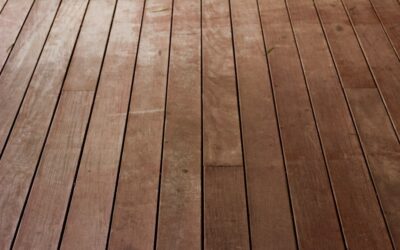
The fastest way to ruin a perfectly good refinishing job is to brush hardwood floor varnish on like you would on a piece of furniture. Floor varnish is a different animal — thicker, designed for foot traffic, and unforgiving of brush marks. After refinishing more than 200 floors over the past 14 years, I can tell you the product itself is rarely the failure point. Application technique, substrate prep, and humidity control matter ten times more.
- What Hardwood Floor Varnish Actually Is
- Oil-Based vs Waterborne Varnish
- Where Varnish Beats Other Finishes
- Application Process Step by Step
- Common Application Mistakes
- Cost Breakdown
- Cure Times and Furniture Return
- Recoating Schedule and Maintenance
- Choosing Sheen Level
- Is Floor Varnish Still the Right Choice
What Hardwood Floor Varnish Actually Is
Varnish is a film-forming finish that combines resins, oils, and solvents to cure into a hard, transparent layer over wood. Modern floor varnish typically uses alkyd, polyurethane, or acrylic resin chemistry, with each formulation balancing hardness, clarity, amber tone, and dry time differently. Pure traditional spar varnish — the kind made from tung oil and phenolic resins — is rarely used on floors anymore because it cures too soft for foot traffic.
Today, when contractors say varnish, they usually mean a polyurethane-modified varnish in either oil-based or waterborne format. Brands like Bona Mega ONE, Loba 2K Supra AT, and Pallmann Pall-X 96 dominate the professional waterborne market, while Minwax Super Fast-Drying and Varathane Premium lead the oil-based DIY shelf.
Oil-Based vs Waterborne Varnish
The choice between oil and water carries through to look, smell, and durability. Oil-based varnish ambers over time, deepening warm tones in oak, hickory, and walnut. Waterborne stays clear, preserving the original wood color — a feature when you have white oak or maple, a drawback when you want richness in red oak.
Performance-wise, modern two-component waterborne products like Loba 2K and Bona Traffic HD now match or exceed oil-based abrasion resistance, with Taber abrasion ratings under 50 mg loss per 1,000 cycles. Oil dries slower (8 to 24 hours between coats), smells stronger (high VOC), and yellows visibly within five years.
Where Varnish Beats Other Finishes
Varnish remains the right choice when you want maximum protection on heavy-traffic hardwood. Common scenarios:
- Entryways and hallways with sand and grit exposure
- Restaurants and retail spaces with daily foot traffic
- Kitchens where spills and chair-leg drag are constant
- Rental units where you want minimal recoat frequency
- Stair treads where penetrating oils cannot deliver enough protection
Skip varnish in favor of penetrating hardwax oil if you want a matte, natural feel, or if you are willing to recoat every 18 to 24 months in exchange for invisible spot repairs.
Application Process Step by Step
A proper varnish job involves seven stages: sanding through 36/60/100 grits, vacuuming and tacking, water-popping (optional, for stained floors), one sealer or first coat, an intercoat scuff with 120-grit screen, two more topcoats, and final cure. Plan three days for application and another three for cure before furniture returns.
Use a high-density T-bar applicator for waterborne products and a lambswool roller for oil-based. Cut in along walls with a 2.5-inch synthetic brush for waterborne, natural China bristle for oil. Always maintain a wet edge by working away from the door and finishing one full board run before stopping.
Common Application Mistakes
The biggest mistake I see DIYers make is applying coats too thick. Floor varnish is engineered for 4 to 6 wet mils per coat — about 500 to 600 sq ft per gallon. Pour more on and you get bubbles, slow cure, and milky white spots called blushing. Use a notched coverage gauge if you are unsure.
The second-biggest error is rushing recoat times. Waterborne products say four hours between coats but only above 65°F at 50% relative humidity. At 45°F or 80% humidity, that recoat window stretches to 8 or 12 hours. Touch-test in a corner first.
Cost Breakdown
Material cost runs $40 to $90 per gallon for oil-based and $75 to $150 per gallon for premium waterborne two-component varnish. A typical 800 sq ft floor needs 3 gallons for three coats, or about $135 to $450 in product. Tools and abrasives add $80 to $150.
Hiring it done? Expect $3 to $6 per sq ft for a refinish-only (recoat) job and $4.50 to $9 per sq ft for a full sand-and-finish. Premium two-component finishes carry a $0.50 to $1 per sq ft upcharge over standard polyurethane.
Cure Times and Furniture Return
Walk on the floor in socks 24 hours after the final coat. Replace area rugs after 14 days. Move heavy furniture back after 7 days for waterborne products and 14 days for oil-based. Hardwood floor varnish typically reaches 90% of full hardness at 7 days and 100% at 30. Pet nails before 14 days will leave permanent marks.
Recoating Schedule and Maintenance
A well-applied varnish lasts 7 to 12 years before a full sand and refinish, and 3 to 5 years between recoat-only refreshes. Clean weekly with a pH-neutral cleaner like Bona or Loba Cleaner; mop monthly with a damp microfiber pad. Avoid steam mops, vinegar solutions, and any oil soap — these break down the urethane top layer over time.
When the floor begins to show traffic patterns or feels rough, scuff with 120-grit screen and apply one fresh maintenance coat. The whole process takes a weekend and saves you from a full refinish.
Choosing Sheen Level
Sheen affects both appearance and apparent durability. Matte (10 to 20 gloss units) hides scratches and traffic patterns best — the right pick for high-traffic homes with kids and pets. Satin (30 to 40 GU) is the most popular middle ground, balancing protection visibility with reasonable scratch concealment. Semi-gloss (55 to 70 GU) delivers a more formal look but shows every scuff and dust particle. Skip full gloss on floors entirely — it telegraphs imperfections and shows wear within 90 days of normal use.
Sheen does not affect actual durability. A matte two-component urethane and a gloss version of the same product have identical abrasion resistance. The visible-wear difference comes from how each finish reflects light across surface micro-scratches.
Is Floor Varnish Still the Right Choice
For most homeowners, hardwood floor varnish remains the strongest, lowest-maintenance protection available. Choose oil-based when you want amber warmth and have ventilation, waterborne two-component when you need clarity and fast turnaround. Prep diligently, control humidity, and respect cure times. Done right, a single varnish application protects your hardwood for a decade with only minor refresh coats — the kind of return that justifies the work.
Prefer to explore on your own?
See how new flooring looks in your actual room in seconds — free, no signup.
Try the free Floor Studio →