A photo on a website can never tell you how a wood floor will actually look and feel in your home, which is why a visit to a hardwood showroom remains the single best step before buying. Under controlled lighting, with full-size displays and knowledgeable staff, you can compare species, finishes, and plank widths side by side, then take samples home to see them in your own space. But a showroom can also overwhelm or upsell you if you walk in unprepared. This guide explains what to expect, how to evaluate what you are looking at, and the questions that separate a smart purchase from an expensive guess.
Why Visit a Showroom at All
Online shopping is convenient, but hardwood is a major, long-lasting investment that varies enormously in person. Screen images cannot convey the subtle grain, the true color under different light, the sheen of a finish, or the feel of a wire-brushed texture underfoot. A showroom lets you experience all of that directly, and it gives you access to people who install these floors for a living.
Just as important, a showroom lets you compare options at scale. Seeing a 7-inch white oak plank next to a 3-inch maple strip, or a matte oil finish next to a satin urethane, makes the differences obvious in a way no catalog can. That hands-on comparison is what prevents buyer’s remorse.
What to Expect Inside
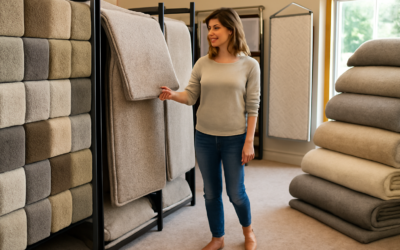
Most hardwood showrooms organize displays by species, product line, or look, with large mounted panels and sometimes full mock-up floor sections you can walk on. You will typically find sample boards you can hold, larger swatches you can borrow, and staff ready to discuss options. Many showrooms also display engineered and solid products side by side and may carry related materials like underlayment and trim.
Expect a consultative atmosphere. Good showroom staff ask about your home before recommending anything, your rooms, traffic, pets, subfloor, and budget, then narrow the field. If a salesperson skips those questions and pushes the priciest product immediately, treat that as a signal to slow down.
How to Evaluate Samples
Looking at samples is a skill, and a few habits help you read them accurately:
- View under multiple lights: wood shifts color under showroom fluorescents versus daylight, so always borrow samples to see them at home
- Check the grain and variation: some products have heavy color variation board to board, which looks different across a whole floor than on one sample
- Feel the texture: run your hand over smooth, wire-brushed, and hand-scraped finishes to feel what you actually prefer
- Tilt for sheen: angle the sample under light to judge gloss level, since matte and satin photograph identically but look very different in a room
- Compare widths: hold a wide plank and a narrow strip together to judge scale against your room size
Always take samples home. Lay them on the floor where the wood will go, view them in morning and evening light, and live with them for a few days before deciding.
Solid vs. Engineered: Ask at the Showroom
One of the best uses of a showroom visit is getting clear guidance on construction. Solid hardwood can be refinished many times and suits standard above-grade rooms, while engineered hardwood offers better dimensional stability for wide planks, basements, and installations over concrete or radiant heat. The staff can show you the layers in cutaway samples and help you match construction to your subfloor and climate.
Ask specifically about the wear layer thickness on engineered products, since a thicker top layer allows future refinishing. This is a detail that is hard to judge online but easy to see and ask about in person.
Questions Worth Asking
Come armed with questions, because the staff’s answers reveal both the product and the seller’s expertise:
- What is the Janka hardness of this species, and how does it hold up to pets and kids?
- Is this solid or engineered, and what is the wear-layer thickness?
- What finish is on it, and how is it maintained and repaired?
- What is the full installed cost, including materials, labor, and removal of old flooring?
- Do you handle installation, and what does the warranty cover?
- What is the lead time, and is this product in stock or special order?
Pay attention to how confidently and specifically the staff answer. Vague responses on hardness, finish care, or warranty terms are a reason to keep shopping.
Understanding Pricing
Showroom price tags usually list material cost per square foot, but the number that matters is the installed cost. That includes the wood, underlayment, labor, subfloor prep, and removal and disposal of your old floor. Ask for an itemized estimate so you can compare offers fairly, because a low material price can hide expensive add-ons like leveling or stair work.
Because pricing varies widely by species, construction, region, and the specifics of your home, treat any figure as a starting point and request a written quote based on your actual square footage and conditions.
Bring the Right Information
The more you bring, the more useful your visit. Show up with rough room dimensions, photos of the space and adjacent rooms, information about your subfloor type, and a sense of your traffic level and budget. If you are matching existing flooring, cabinetry, or a paint palette, bring photos or samples of those too. This context lets the staff make targeted recommendations instead of generic ones.
Avoiding Common Pitfalls
The most frequent showroom mistakes are deciding on the spot under store lighting, focusing only on appearance while ignoring hardness and maintenance, and comparing material prices instead of installed costs. Take samples home, factor in how the floor will live with your household, and always compare full installed quotes. Resist pressure to commit before you have done those things.
Final Thoughts
A visit to a hardwood showroom turns an abstract online search into a confident, informed decision. Use the trip to compare species, finishes, and widths in person, ask pointed questions about construction, hardness, and installed cost, and always borrow samples to view in your own light. Walk in prepared with your room details and budget, and you will leave with the knowledge to choose a wood floor you will be happy with for decades.
Prefer to explore on your own?
See how new flooring looks in your actual room in seconds — free, no signup.
Try the free Floor Studio →