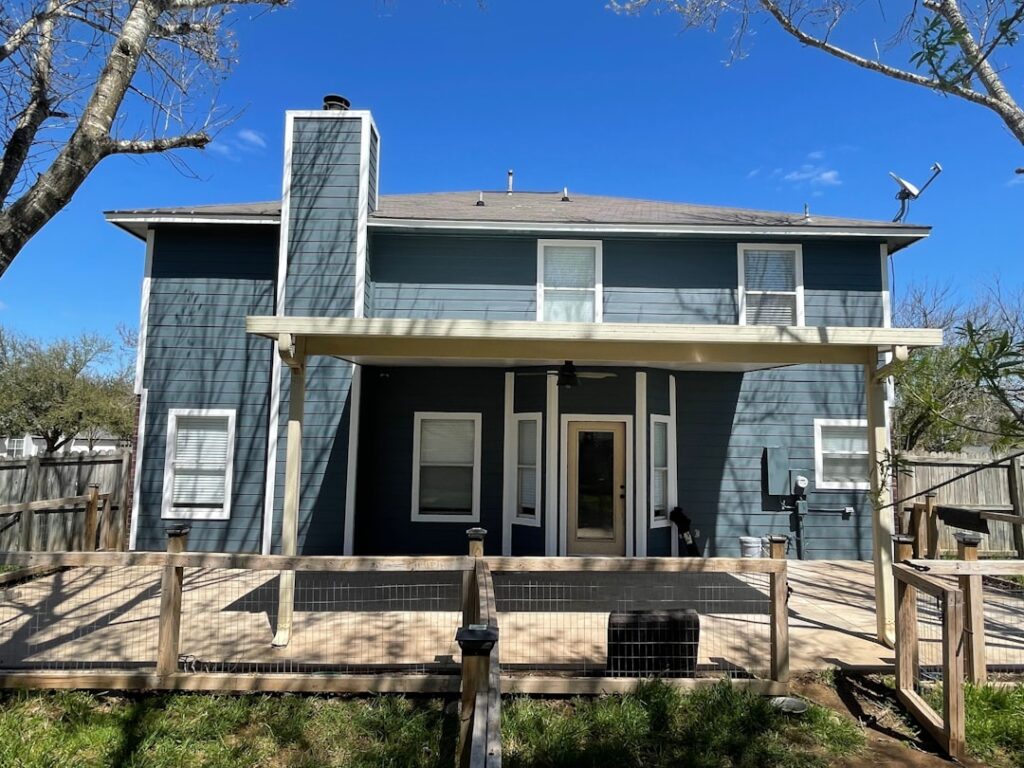
Hardy plank siding is one of the most popular exterior cladding choices in the country, prized for shrugging off fire, rot, and pests that destroy lesser materials. A quick note on the name: homeowners commonly spell it “hardy plank,” but the actual product is HardiePlank, a fiber cement lap siding made by James Hardie. Whatever you call it, the appeal is the same, the warm look of painted wood with the toughness of cement.
If you are weighing siding options for a new build or a re-side, understanding how fiber cement performs, costs, and installs will help you decide whether it earns its premium over vinyl or wood.
What Fiber Cement Siding Is
Fiber cement is a composite of portland cement, sand, and cellulose fibers, pressed and cured into rigid planks. That recipe gives it a density and stability that wood and vinyl cannot match. It comes in lap boards, panels, and shingle styles, and HardiePlank specifically refers to the horizontal lap siding profile that mimics traditional wood clapboard.
The boards arrive in smooth or wood-grain textures and in widths that create different exposure looks once overlapped. You can buy them factory-primed for site painting or pre-finished with a baked-on color coat that carries a long finish warranty.
Why Homeowners Choose It
Fiber cement earns its reputation through performance:
- Fire resistance: it is noncombustible, a major advantage in wildfire-prone regions.
- Pest and rot resistance: termites cannot eat it and moisture will not rot it the way it does wood.
- Weather durability: it stands up to hail, wind, and freeze-thaw cycles far better than vinyl, which can crack in cold or warp in heat.
- Longevity: properly installed and painted, it commonly lasts 30 to 50 years.
- Curb appeal: it holds paint well and reads as authentic wood from the street.
Cost Expectations
Fiber cement sits in the middle of the siding price spectrum, more than vinyl but less than natural wood or masonry. As a general estimate, installed costs commonly run in the range of 6 to 13 dollars per square foot, depending on your region, the home’s complexity, whether you choose pre-finished boards, and local labor rates. Treat these as planning figures, not quotes; always get bids from local contractors.
The material is heavier and harder to cut than vinyl, which raises labor costs, but the longer service life and lower maintenance often make the lifetime cost competitive.
Installation Considerations
This is not a casual weekend project for most homeowners. Fiber cement is heavy, and cutting it releases silica dust that requires respiratory protection and proper tools, typically a circular saw with a dust-reducing blade or shears. The boards must be fastened correctly, with the right overlap and spacing, and gaps must be left and sealed at butt joints and around openings.
- A weather-resistant barrier goes on the sheathing first.
- Boards are installed with the manufacturer-specified overlap and fastener pattern.
- Flashing at windows, doors, and horizontal joints is critical to keep water out of the wall.
- Proper clearance from the ground, roofline, and other surfaces is required to prevent wicking.
Because warranty coverage depends on following James Hardie’s installation specifications, hiring an experienced installer is usually the smart move. Cutting and fastening errors can void coverage and invite moisture problems.
Painting and Color Options
You have two routes. Pre-finished boards arrive with a factory-applied color and a long finish warranty, and they resist fading well because the coating is applied and cured in controlled conditions. Primed boards let you choose any paint color but must be painted soon after installation with a quality exterior acrylic.
One of the perks of fiber cement is repaintability. Unlike vinyl, which has a fixed color and can warp if painted a dark shade, fiber cement can be repainted down the road when you want a new look or the finish fades. Expect a repaint every 10 to 15 years with quality paint, longer with factory finishes.
Maintenance and Care
Fiber cement is low-maintenance, not no-maintenance. A reasonable routine keeps it performing:
- Wash the siding annually with a garden hose and mild detergent to remove dirt and mildew.
- Inspect caulking at joints and openings each year and reseal where it has cracked.
- Touch up any chips or scratches in the paint to keep moisture out of the board edge.
- Keep sprinklers from spraying the siding constantly and maintain ground clearance.
How It Compares to Vinyl and Wood
Putting fiber cement next to its main rivals clarifies the decision. Vinyl siding is cheaper upfront and a true DIY option, but it can crack in extreme cold, warp or melt near heat sources, and its color is permanent, so a faded or dated shade means full replacement. Fiber cement costs more and is harder to install, yet it resists fire, takes impact better, and can be repainted, giving it a longer and more flexible life.
Natural wood siding offers unmatched authenticity and can be stunning, but it demands the most maintenance, regular painting or staining, vigilance against rot and insects, and a shorter lifespan if neglected. Fiber cement essentially captures the wood look while removing most of those headaches, which is its core selling point.
There is also a moisture-management consideration unique to fiber cement. Because it can hold moisture against itself if poorly detailed, a rainscreen gap or proper flashing and clearances matter more than with some other claddings. A knowledgeable installer who follows these details is the difference between siding that lasts decades and one that develops problems.
Is It Right for Your Home?
Fiber cement makes the most sense if you plan to stay in the home for years, live in a climate with fire risk or harsh weather, or simply want the authentic wood look without the upkeep of real cedar. If you need the absolute lowest upfront cost or want a true DIY install, vinyl may suit you better.
For most homeowners seeking a durable, attractive, long-lived exterior, hardy plank siding delivers a compelling balance of looks, resilience, and lifetime value, which is exactly why it shows up on so many homes across the country.