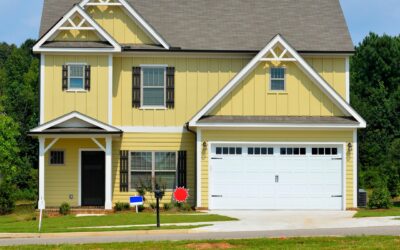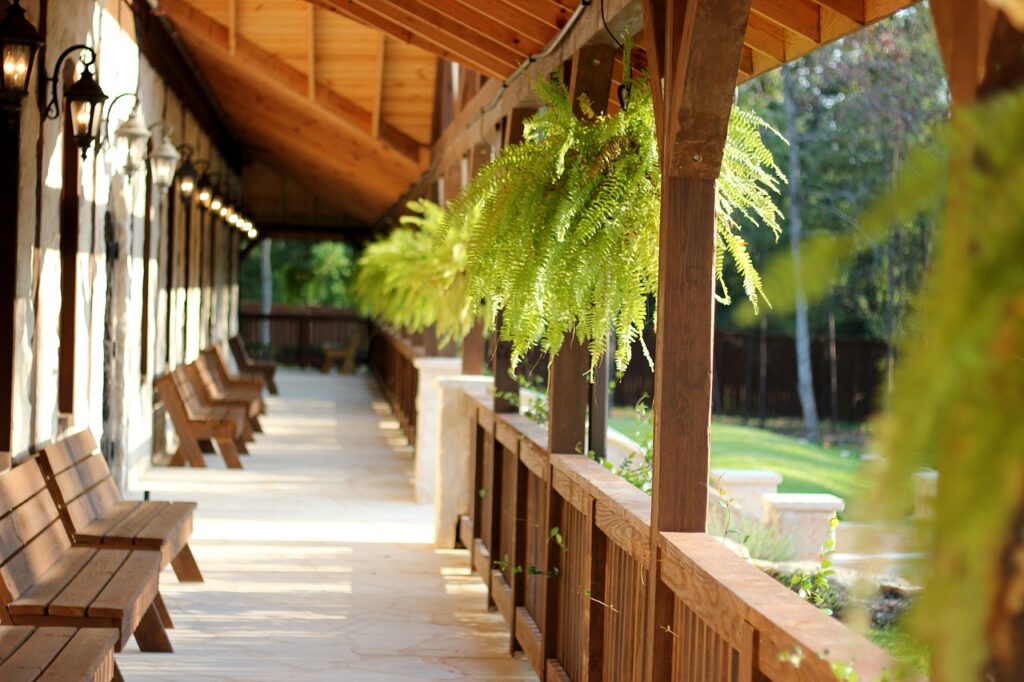
A well-built outdoor porch is the most-used and least-photographed room in most American homes. It is where coffee gets drunk in the morning, where teenagers escape family dinner, where dogs nap in the afternoon. After designing and building porches in five different states, I can tell you the design choices that actually matter — and the ones contractors upsell that you will regret paying for.
Part of our Windows & Doors guide — explore the full guide →
The Four Main Porch Types
Knowing what you want before you call a contractor saves thousands. Each type carries different cost ranges and use cases.
- Front porch: Typically 6 to 8 feet deep by the width of the house. Welcomes guests, takes seasonal decor. Costs $80 to $200 per square foot built new.
- Wraparound porch: Continues around two or three sides of the house. Iconic on Victorian and farmhouse styles. $100 to $250 per square foot.
- Screened porch: Fully enclosed with screen panels. The most-used type in mosquito country. $120 to $280 per square foot.
- Three-season porch: Glass panel walls, sometimes insulated. Used 8 to 9 months a year. $200 to $400 per square foot.
Decking Materials and How They Hold Up
Pressure-treated southern yellow pine remains the cheapest option at $3 to $6 per square foot for materials. It requires staining every 2 to 3 years and starts looking tired around year 8 to 10. Cedar runs $7 to $12 per square foot, weathers to silver gracefully, and lasts 15 to 20 years with minimal maintenance.
Composite decking — Trex, TimberTech, and Fiberon — costs $9 to $18 per square foot but the upgrade is real. No staining, no splinters, and most warranties run 25 to 30 years. For porches with covered roofs (no UV bleaching, no rain pooling), the composite premium pays back fastest.
Porch Ceiling Materials
The ceiling is the design choice that separates an average porch from a memorable one. Tongue-and-groove pine or cedar boards painted Haint Blue (the traditional Southern porch ceiling color, often Sherwin-Williams Atmospheric SW 6505) reads timeless. Beadboard panels cost less but mimic the look reasonably well.
Avoid vinyl soffit panels — they read cheap and trap moisture. PVC tongue-and-groove like AZEK works well in coastal or humid climates where wood would rot. Expect to pay $5 to $9 per square foot installed for painted wood ceiling, more for cathedral or coffered designs.
Flooring Options Beyond Wood
For covered porches, porcelain tile rated for outdoor use is an underused option. A 24×24 inch porcelain plank that mimics wood runs $5 to $10 per square foot, never needs staining, and handles 30 years of foot traffic without complaint. Slip-resistant ratings (DCOF 0.42 or higher) matter for porches that get wet.
Stamped concrete works for ground-level porches at $12 to $18 per square foot. Brick offers timeless texture at $14 to $22 per square foot installed. Slate and bluestone read elegant but pit and stain over time in freeze-thaw climates.
Roof Style and Slope
Shed roofs (single slope) are cheapest at $12 to $20 per square foot for framing and roofing. Gable roofs (peaked) cost $18 to $28 per square foot but match most house architecture better. Hip roofs (sloped on all sides) shed snow well and run $22 to $35 per square foot.
Minimum roof slope for shingles is 2:12 (two inches of fall per foot). Below that, you need a low-slope membrane or metal roofing. For a 10-foot-deep porch, a 2:12 slope means the outer edge sits 20 inches lower than the house attachment point — verify head clearance under the outer edge before finalizing the slope.
Lighting Design That Actually Works
Most porches are lit by one ugly bulkhead light by the door. Layer the lighting and the porch transforms. Aim for three layers — a ceiling fixture or fan light for general illumination, sconces or pendants for ambient warmth, and a few strategic recessed cans for task light over seating areas.
Color temperature matters. Use 2700K (warm white) throughout — anything cooler reads industrial and uninviting. Pair with a dimmer switch so the same fixtures work for both reading the paper at 7 a.m. and hosting wine at 9 p.m.
Ceiling Fans Worth the Money
An outdoor-rated ceiling fan changes the comfort window of a porch by a full season. Look for damp-rated fans (covered porch) or wet-rated (uncovered). The Hunter Original 52-inch outdoor fan ($240) and the Big Ass Fans Haiku L ($1,100) cover most use cases.
Mounting height matters — keep the blades at least 7 feet above the floor for safety and 18 inches below the ceiling for efficient airflow. A standard 8 to 9 foot porch ceiling fits a standard downrod-mount fan with room to spare.
Furniture That Survives
Powder-coated aluminum and teak hold up best long-term. Wicker — even when labeled all-weather — degrades within 5 to 7 years on a sunny porch. Sunbrella performance fabric for cushions resists fading and mildew, costs roughly twice as much as standard outdoor fabric, and lasts 3 to 4 times longer.
Plan furniture before finishing the porch. A 10×12 porch fits a small sofa and two chairs. A 12×18 wraparound section handles dining for six plus a lounging zone. Buy the furniture, then size the porch — never the other way around.
Resale Value
National Association of Realtors data shows a quality outdoor porch typically returns 75 to 90 percent of build cost at resale, with screened porches in mosquito-heavy regions returning close to 100 percent. The catch is that the porch must match the architectural style of the house — a fussy Victorian wraparound on a 1990s ranch reads as add-on rather than original.
Built right, your porch is the best room in the house for half the cost per square foot of interior space. That value gap is the reason porches keep showing up at the top of every home-improvement ROI list year after year.