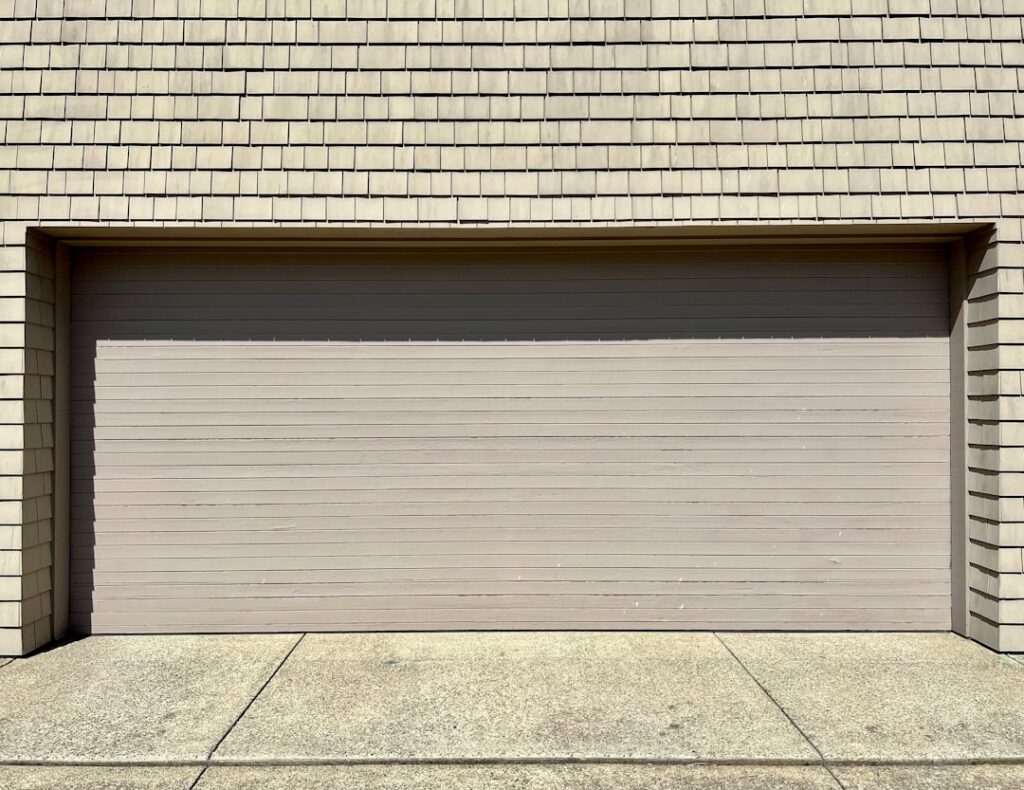
Most homeowners buy an opener based on price, then wonder why it strains and shudders every winter morning. If you own an oversized double door, a solid-wood carriage door, or an insulated steel door that tips the scale past 200 pounds, a bargain half-horse unit will grind itself to death in a few seasons. A heavy duty garage door opener is built for exactly that load, with a stronger motor, a beefier drive, and electronics that shrug off constant cycling. This guide breaks down what “heavy duty” really means so you buy the right machine once instead of twice.
- What Makes an Opener "Heavy Duty"
- Matching Horsepower to Door Weight
- Drive Types and Which One Fits a Heavy Door
- Key Features Worth Paying For
- Installation Realities
- Maintenance That Keeps the Motor Alive
- Signs Your Current Opener Is Undersized
- Brands and Warranty Worth Considering
- Choosing the Right Model
What Makes an Opener “Heavy Duty”
The phrase gets slapped on a lot of boxes, so ignore the marketing and look at three specs. First is motor rating, usually expressed in horsepower or the newer DC equivalent measured in newtons of force. Second is duty cycle, meaning how many open-close operations the motor can handle per hour without overheating. Third is the drive mechanism and rail, which carry the physical strain every single lift.
A true heavy duty opener pairs at least 3/4 horsepower (or a 1.25 HP-equivalent DC motor) with a reinforced steel rail and a duty cycle that tolerates 20-plus cycles per hour. Contractor-grade and jackshaft models push well beyond that. If a unit lists only “1/2 HP” and stays quiet about duty cycle, it is a builder-grade opener wearing a nicer sticker.
Matching Horsepower to Door Weight
Door weight is the single number that should drive your purchase. A standard 8-foot uninsulated steel door weighs roughly 130 pounds. Add insulation and you climb toward 160. A 16-foot double door in solid wood or a real carriage-house build can exceed 400 pounds. Springs carry most of that mass, but the opener has to overcome friction, wind load, and the inevitable spring fatigue that creeps in after a decade.
- 1/2 HP: Fine for a single 7-foot aluminum or thin steel door under 130 pounds. Not heavy duty.
- 3/4 HP: The sensible floor for insulated single doors and lighter double doors up to about 250 pounds.
- 1 HP / 1.25 HP-equivalent: The right call for heavy double doors, wood carriage doors, and any door over 350 pounds.
- Commercial jackshaft: For 14-foot ceilings, RV doors, and doors above 500 pounds where a trolley opener simply can’t cope.
When in doubt, size up. An opener running at 60 percent of its capacity lasts far longer than one pinned near its limit on every cycle. The price gap between a 3/4 HP and a 1.25 HP-equivalent model is usually $40 to $80, which is cheap insurance against a burned-out motor.
Drive Types and Which One Fits a Heavy Door
The drive is how the motor’s power reaches the door, and it shapes both durability and noise. Four types dominate the market.
Chain Drive
A metal chain pulls the trolley along the rail. Chain drives are the workhorses of the heavy duty world because steel handles load without stretching or slipping. They are loud, so skip them if bedrooms sit above or beside the garage. Expect $180 to $300 for a genuinely stout chain unit.
Belt Drive
A reinforced rubber belt replaces the chain, cutting noise to a soft hum. Modern steel-reinforced belts handle heavy doors nearly as well as chains and are the top pick for attached garages. Belt models with a 1.25 HP-equivalent motor run $220 to $400.
Screw Drive
A threaded steel rod turns to move the trolley. Fewer parts mean lower maintenance, and torque is strong, but screw drives dislike temperature swings and need periodic lubrication. They occupy a middle ground on noise and price.
Jackshaft (Wall-Mount)
Instead of a ceiling rail, a jackshaft mounts on the wall beside the door and turns the torsion bar directly. This design frees up ceiling space, thrives on tall and oversized doors, and often ships with a 24V DC motor rated for heavy commercial-style use. It’s the premium choice at $300 to $500, but for a serious heavy door it is hard to beat.
Key Features Worth Paying For
Beyond raw power, a handful of features separate a machine you enjoy from one you tolerate. Soft-start and soft-stop electronics ease the door into motion and slow it before it lands, which dramatically reduces wear on the door, hinges, and opener alike. On a 400-pound door, that gentle ramp is the difference between a graceful glide and a jarring slam.
Battery backup keeps you from being trapped when the power fails, and in some states it is now required by code on new installs. Look for a backup rated for at least 20 cycles on a single charge. A DC motor is generally quieter, lighter, and more efficient than a comparable AC unit, and it enables the soft-start behavior heavy doors benefit from most.
Wi-Fi connectivity lets you open, close, and check door status from your phone, and it pairs with cameras and smart-home hubs. Also confirm the opener includes rolling-code security, which changes the access code with every use to block code-grabbing thieves, and photo-eye safety sensors, which are mandatory on any residential opener sold in the US.
Installation Realities
A heavy duty opener asks a bit more of your garage than a light one. The header and ceiling framing must be solid, because a bigger motor exerts more pulling force during startup. If your header is a single 2×4, add blocking or a mounting board before you hang the unit.
Confirm your ceiling has the clearance the rail demands, typically 2 to 3 inches above the door’s high point of travel, and more for jackshaft models that mount at the torsion bar. Electrical matters too. Most residential openers run on a standard 120V outlet, but the outlet should be a dedicated or lightly loaded circuit near the motor head, not a daisy-chained extension from across the room. Budget three to four hours for a first-time DIY install, or $150 to $300 for professional installation on top of the opener price.
Before you ever hang the motor, test the door’s balance. Pull the release cord and lift the door by hand halfway. A properly sprung door stays put; one that crashes down or rockets up has a spring problem no opener can safely mask. Fix the springs first, because a heavy duty opener forcing a poorly balanced door will fail early and can be genuinely dangerous.
Maintenance That Keeps the Motor Alive
Heavy doors punish neglect. Twice a year, lubricate the rollers, hinges, and springs with a silicone or lithium-based garage-door lube, never WD-40, which strips lubricant and attracts grit. Wipe the photo-eye lenses so the door doesn’t reverse on a phantom obstruction. Retighten the chain or check belt tension per the manual, since a sloppy chain slaps and accelerates wear.
Run the auto-reverse safety test monthly. Lay a 2×4 flat under the door and close it; the door should hit the wood and reverse immediately. If it doesn’t, adjust the force and travel limits or call a technician. On a heavy door, that safety reversal is not optional.
Signs Your Current Opener Is Undersized
If you already have an opener straining against a heavy door, it usually tells you before it dies. Watch for a motor that groans or slows near the top of travel, a door that hesitates or stutters partway up, or a unit that grows hot to the touch after just a few cycles. Repeated tripping of the overload protector, an opener that reverses for no clear reason, or a chain that jumps and rattles under load all point to a machine working past its capacity.
Left unaddressed, an undersized opener burns out its motor, strips its drive gear, or overheats its control board, often within a few years. It also stresses the door hardware, accelerating wear on hinges, rollers, and the trolley. If you recognize these symptoms, don’t wait for a total failure on a freezing morning when the door is stuck shut. Sizing up to a properly rated heavy duty unit costs far less than the repeated repairs and eventual replacement an underpowered opener guarantees.
Brands and Warranty Worth Considering
A handful of manufacturers dominate the heavy duty segment, and warranty length is a reliable proxy for how much muscle and quality is inside. LiftMaster and Chamberlain are the volume leaders, with belt-drive and wall-mount models rated for heavy residential doors and motor warranties that often run a lifetime on premium units. Genie offers strong value across chain, belt, and wall-mount lines, while Sommer and other specialty makers focus on direct-drive designs prized for quiet strength.
When comparing models, read the fine print on the warranty. A lifetime motor warranty paired with several years on parts and the belt or chain signals a manufacturer confident in the machine’s durability under load. Budget openers with one-year coverage rarely survive heavy-door duty. Spend a little more for a longer-warrantied unit from an established brand, and you buy both a stronger opener and the backstop of real support if something fails early.
Choosing the Right Model
Start with your door’s weight and location. For an attached garage under a bedroom, a belt-drive unit with a 1.25 HP-equivalent DC motor, soft-start, and battery backup covers nearly every heavy residential door in near silence. For a detached garage where noise is a non-issue, a 3/4 HP or 1 HP chain drive delivers the same muscle for less money. And for a tall, oversized, or exceptionally heavy door, a jackshaft opener earns its premium by mounting out of the way and driving the torsion bar directly.
A well-chosen heavy duty garage door opener should give you 12 to 15 years of reliable service, versus the five or six you’d wring out of an undersized bargain unit. Match the horsepower to the load, pick the drive that suits your noise tolerance, keep the door balanced and lubricated, and you’ll open and close that big door thousands of times without a second thought.