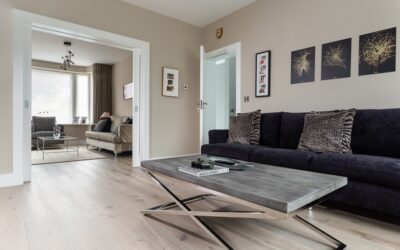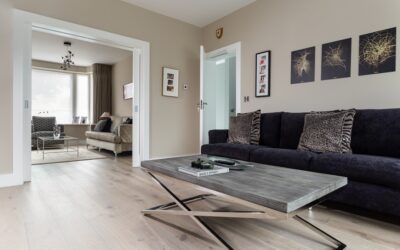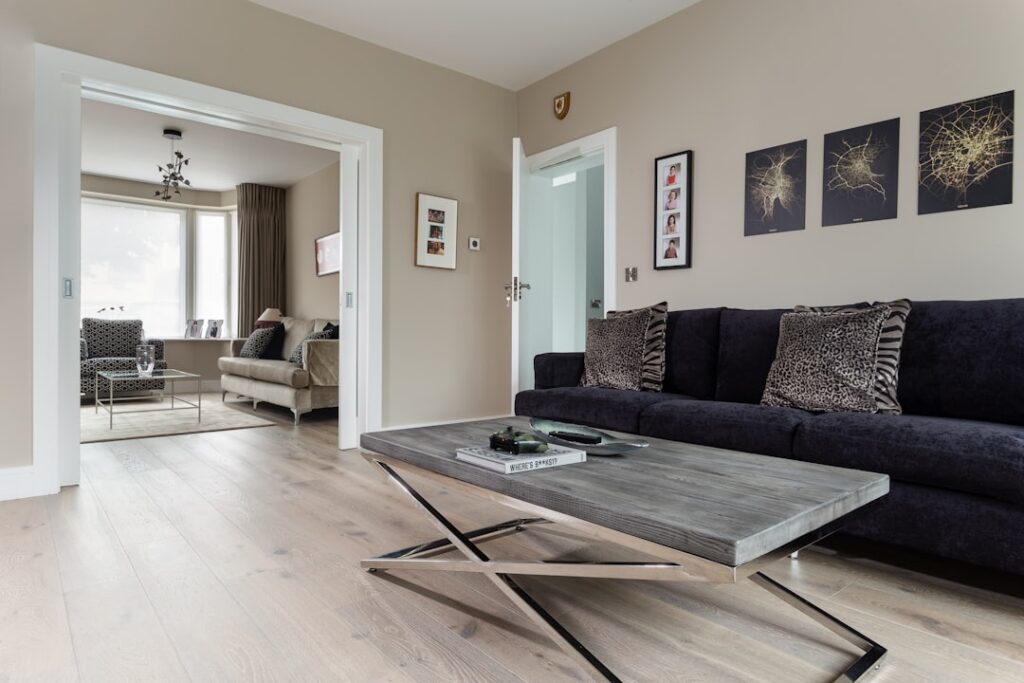
Hickory is the hardest common wood grown in North America, and its bold, dramatic grain is unlike anything else on the floor, which is exactly why homeowners keep asking for it. Hickory laminate captures that rugged, high-contrast look and pairs it with the toughness and low price of laminate flooring, giving you the character of a premium hardwood without the premium cost. If you love the wild grain swings and warm tones of real hickory but want a floor that can shrug off kids, pets, and daily traffic, this is a combination worth considering. This guide covers the look, durability, costs, and installation of hickory laminate.
What Makes Hickory Laminate Distinctive
Hickory laminate is a photographic reproduction of real hickory wood printed onto a high-density fiberboard core and sealed under a tough wear layer. What sets hickory apart from oak or maple looks is the dramatic color variation within a single plank. Genuine hickory swings from pale cream sapwood to rich reddish-brown heartwood, often within a few inches, and quality laminate reproductions capture that same energetic contrast. The grain is busy and knotty, giving floors a rustic, lived-in warmth. Modern printing and embossing make the best hickory laminates convincingly realistic, with surface texture that follows the printed grain for a natural feel underfoot.
Why Homeowners Choose It
Beyond the striking appearance, hickory laminate offers a stack of practical advantages that make it a smart everyday floor.
- Exceptional durability: hickory’s hard reputation is reinforced by laminate’s scratch-resistant wear layer
- Budget-friendly: a fraction of the cost of solid or engineered hickory hardwood
- Hides wear well: the busy grain and color variation camouflage scratches, dents, and dirt
- Easy installation: click-lock planks float over most subfloors without glue or nails
- Low maintenance: no sanding, sealing, or refinishing ever required
That combination of good looks and forgiveness is why hickory laminate is a favorite in busy family homes, entryways, and rental properties where a floor has to look good and take a beating.
Durability and the AC Rating
Laminate durability is measured by the AC rating, a scale from AC1 to AC5 that indicates abrasion and wear resistance. For a hickory laminate in a home, look for at least AC3, which handles all residential traffic including busy households. AC4 and AC5 products add extra toughness suitable for light commercial use, and they are worth the small upcharge in entryways, kitchens, and homes with large dogs. The wear layer thickness and the quality of the core also matter. A high-density fiberboard core resists dents and holds the locking edges better than cheaper boards, so a mid-grade or better plank pays off over the life of the floor.
Cost of Hickory Laminate
Value is a core reason to choose laminate, and hickory is no exception. Material costs typically run $1.50 to $4 per square foot, with premium AC4 and AC5 planks and thicker, water-resistant boards at the top of that range. Professional installation adds roughly $2 to $5 per square foot, bringing an installed floor to about $4 to $9 per square foot. Compare that with solid hickory hardwood, which can run $8 to $15 per square foot for material alone before installation, and the savings are dramatic. For homeowners who want the hickory look across a whole main floor, laminate makes it affordable in a way real wood rarely is.
Water Resistance Considerations
Standard laminate uses a fiberboard core that swells if it soaks up water, so traditional hickory laminate is not ideal for bathrooms or laundry rooms. However, many manufacturers now offer water-resistant hickory laminate that can handle spills and damp mopping thanks to sealed edges and a more moisture-tolerant core. These lines are labeled with a water-resistance rating and a warranty against surface spills for a set number of hours. If you want hickory laminate in a kitchen or mudroom, choosing a water-resistant product and wiping up spills promptly gives you the look with far less risk of edge swelling and damage.
How Hickory Laminate Is Installed
One of laminate’s biggest appeals is that installation is well within reach of a confident DIYer. The typical process is straightforward:
- Acclimate: let the planks sit in the room for 48 hours to adjust to temperature and humidity
- Prep the subfloor: ensure it is clean, dry, and flat within tolerance
- Lay underlayment: add a foam pad for cushioning and sound unless it is pre-attached
- Click the planks: connect the angle-and-lock edges, staggering end joints
- Leave expansion gaps: keep a quarter-inch gap at walls, hidden by baseboard or trim
The floating installation means the floor is not fastened down, so it expands and contracts freely with the seasons. Skipping the expansion gap is the most common mistake and can cause buckling, so that quarter-inch perimeter is not optional.
Styling a Hickory Laminate Floor
Hickory’s warm, high-contrast grain gives you a lot of design flexibility. Lighter hickory laminates with cream and honey tones brighten a room and lend a casual, farmhouse feel that pairs well with white or sage cabinetry. Darker, hand-scraped hickory looks bring a rich, rustic warmth that suits traditional and lodge-style interiors. Because the grain is so busy, hickory floors read as a design statement on their own, so keeping walls and larger furniture pieces relatively simple lets the floor shine. Wide planks amplify the dramatic grain, while narrower boards give a slightly more restrained, classic look.
Hickory Laminate Versus Other Floors
Seeing where hickory laminate sits among the alternatives helps you decide if it is the right pick. Against solid and engineered hickory hardwood, laminate wins decisively on price and scratch resistance, though real wood can be refinished and carries the authenticity and resale appeal of genuine hardwood. If you want the hickory look for a fraction of the cost and never plan to sand a floor, laminate is the obvious value choice.
Compared with luxury vinyl plank, the two are close competitors. Vinyl is fully waterproof and slightly softer underfoot, which makes it the better call for bathrooms and basements. Laminate, however, often has a more realistic wood texture and a harder, more rigid surface that resists dents from dropped objects. In dry living areas, bedrooms, and hallways, hickory laminate frequently looks more convincingly like real wood than comparably priced vinyl.
Against tile, hickory laminate is warmer and softer to stand on, quicker to install, and far less expensive, though tile wins decisively in wet areas. The takeaway is that hickory laminate excels as an affordable, realistic, durable floor for the dry, high-traffic living spaces that make up most of a home. Reserve waterproof vinyl or tile for the wet zones, and let hickory laminate carry the bedrooms, living room, hallways, and home office, where its bold grain and toughness shine without moisture being a concern.
Is Hickory Laminate a Good Choice?
Hickory laminate is an excellent option for homeowners who want bold, characterful floors that stand up to real life without a hardwood budget. It excels in high-traffic family spaces, hides everyday wear better than smoother wood looks, and installs quickly over most subfloors. If you need a fully waterproof floor for a wet area or you specifically want a surface you can refinish decades from now, luxury vinyl or real hardwood might suit you better. But for a durable, affordable, great-looking floor with unmistakable personality, hickory laminate is tough to beat. Choose an AC3 or higher rating, consider a water-resistant line for busy zones, and you will have a floor that looks great for years.
Prefer to explore on your own?
See how new flooring looks in your actual room in seconds — free, no signup.
Try the free Floor Studio →