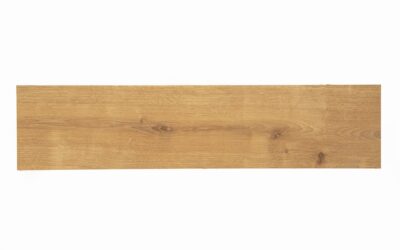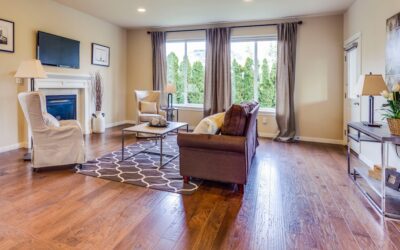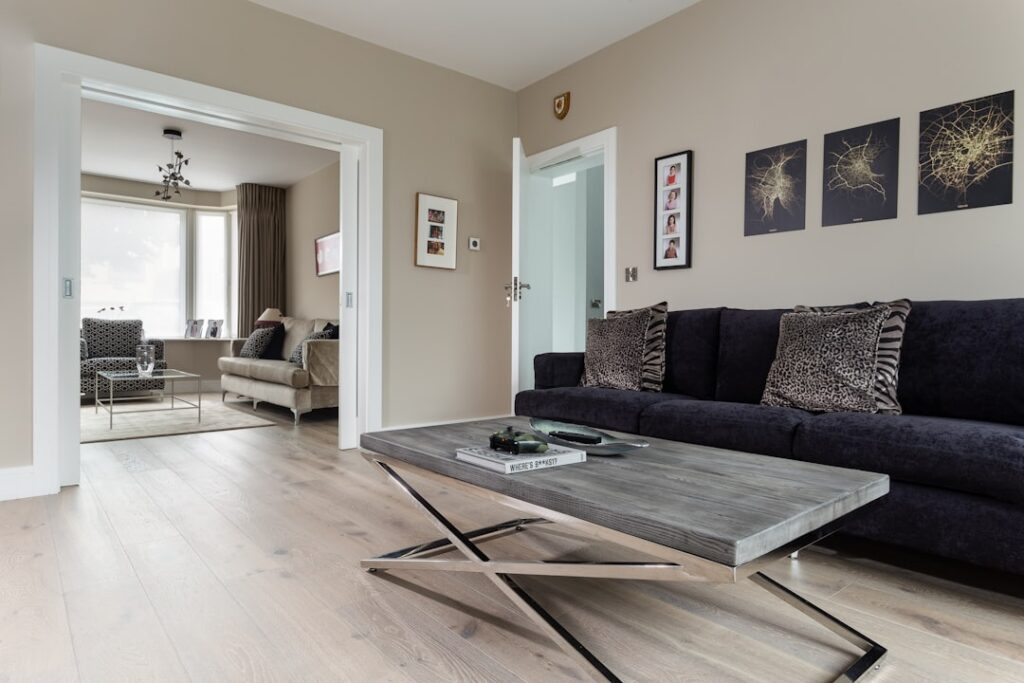
The best modern laminate no longer tries to look like plastic wood; it tries to look like a freshly milled oak plank, complete with grain you can feel and color that varies board to board. Natural wood laminate refers to these realistic, wood-faithful floors that reproduce the texture, tone, and character of real timber without the cost or fragility of hardwood. If you want the warmth of natural wood underfoot but need something tougher and cheaper, this category is where to focus your search.
What Makes Laminate Look Like Natural Wood
Realism is engineered, and a few features do the heavy lifting. High-resolution photography captures genuine grain, knots, and color variation from real wood samples. Embossed-in-register (EIR) texture aligns the surface feel with the printed grain, so the dips and ridges match what you see. A high number of unique plank designs, the best lines have 12 or more, stops the pattern from visibly repeating across a room. Matte and low-sheen finishes complete the effect, since real wood rarely has a high-gloss shine. Together these make a quality laminate floor genuinely hard to distinguish from sanded hardwood.
Popular Natural Wood Looks
Laminate reproduces nearly every species and finish people want in real wood:
- White and natural oak: the most popular, light and neutral with subtle grain.
- Hickory: bold grain and dramatic color variation board to board.
- Walnut: rich, dark brown tones for a warm, traditional feel.
- Reclaimed and weathered woods: distressed, multi-tone planks with character marks.
- Wire-brushed and hand-scraped: textured surfaces that mimic artisan-finished timber.
Because it is printed, laminate also lets you get exotic or pricey species looks for the same money as a basic oak.
What Natural Wood Laminate Costs
It sits well below hardwood while spanning a useful price range. Material costs per square foot:
- Basic wood-look laminate: $1 to $2.50.
- Mid-grade with EIR texture: $2.50 to $4.
- Premium realistic and waterproof lines: $4 to $7.
- Installation: $2 to $4 per sq ft for professional click-lock fitting.
A 300-square-foot room in mid-grade textured laminate runs roughly $1,350 to $2,400 installed, against $4,000 or more for the engineered or solid hardwood it imitates.
How It Compares to Real Wood
Laminate and hardwood each have clear strengths. The honest trade-offs:
- Cost: laminate is far cheaper, both material and labor.
- Durability: laminate’s aluminum-oxide top coat resists scratches better than soft hardwoods.
- Refinishing: real wood can be sanded and refinished many times; laminate cannot.
- Water: standard laminate swells if water sits in seams; waterproof lines solve this.
- Feel and resale: solid wood feels warmer underfoot and adds more home value.
For most households, laminate’s toughness and price win for daily use, while hardwood wins for a heirloom floor you plan to restore over decades.
Reading the Specs
The look pulls you in, but the numbers determine longevity. Prioritize these:
- AC rating: AC4 for living areas, AC5 for hallways and high traffic.
- Thickness: 10mm to 12mm feels more solid and quiet than thin 7mm boards.
- Texture: embossed-in-register for the most convincing natural-wood feel.
- Water resistance: choose a water-resistant or waterproof core for kitchens and entries.
- Plank size: wider, longer planks read as more authentic and modern.
A gorgeous print on a thin, low-AC board is a poor buy; pair the natural look you love with at least AC4 durability.
Installation and Care
Natural wood laminate floats over an underlayment with click-lock joints, no nails or glue, which makes it DIY-friendly. Acclimate the boards in the room for 48 hours, add a quality underlay and a moisture barrier over concrete, and leave a 1/4- to 3/8-inch expansion gap at the walls. For care, sweep regularly to keep grit off the surface, clean with a damp (not wet) microfiber mop and a laminate-safe cleaner, wipe spills promptly, and use felt pads under furniture. Avoid steam mops, which force moisture into the seams. Treated well, the floor holds its natural-wood look for 15 to 25 years.
Choosing the Right Color and Plank Size
Color and dimensions shape how a natural-wood floor feels in a room. Lighter tones, white oak, natural maple, soft greige, make a space feel open and airy and tend to hide dust and minor scratches well, which is why they dominate current trends. Darker walnut and espresso tones add warmth and drama but show footprints and dust more readily. For plank size, wider and longer boards (7 inches and up, 48 inches or longer) read as modern and high-end, and they suit open floor plans, while narrower planks feel more traditional and can make a small room seem busy.
If you plan to sell within a few years, a light-to-medium wide-plank oak look has the broadest appeal. For a floor you will live with long-term, choose the tone you genuinely love, since you walk on it every day and trends will shift regardless.
Common Buying Mistakes to Avoid
A few errors turn a good-looking floor into a disappointment. Steer clear of these:
- Buying on print alone while ignoring the AC rating, leaving you with a pretty floor that wears through fast.
- Choosing thin 7mm boards that feel hollow and loud underfoot compared with 10mm-plus planks.
- Skipping water-resistant cores in kitchens and entries where spills are routine.
- Underordering, leaving no spare boards for future repairs from the same lot.
- Mismatched repeats, choosing a budget line with only four plank designs that visibly tile across the room.
Is Natural Wood Laminate Right for You?
If you want the genuine character of timber, real grain, real texture, real color variation, without hardwood’s price, fragility, or maintenance, natural wood laminate is one of the smartest buys on the market. Spend on a 10mm-plus board with embossed-in-register texture and an AC4 or AC5 rating, add a waterproof core for wet rooms, and you get a floor that looks authentically like wood and survives kids, pets, and daily traffic. For the look-to-cost ratio alone, it is hard to beat.
Prefer to explore on your own?
See how new flooring looks in your actual room in seconds — free, no signup.
Try the free Floor Studio →