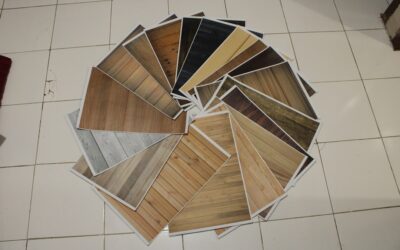
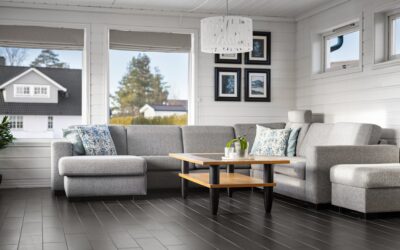
A perfectly uniform hardwood floor reads as new construction; a rustic floor reads as story. Knots, mineral streaks, color variation, wire-brushed grain, and hand-scraped textures pull a room toward farmhouse, mountain-lodge, or modern-organic depending on the species and finish chosen. Rustic timber flooring hides dings the way smooth floors broadcast them, ages gracefully under daily traffic, and delivers character that even the best AI-rendered laminates still can’t fake convincingly. Here’s how to buy the right one without overpaying or ending up with something that looks deliberately distressed in a bad way.
The look reads as authentic farmhouse from across the room and rewards close inspection with real texture. Done right, the floor becomes the architectural anchor of the whole house.
What Counts as Rustic
The NWFA (National Wood Flooring Association) doesn’t certify a “rustic” grade by name, but the industry uses character or cabin grade interchangeably. Practically, that means boards with knots up to 1.5 inches, open checks, mineral streaks, color variation from cream to chocolate, and sometimes worm holes or pin holes left visible. Premium select and clear grades cull these features; rustic grades celebrate them.
Surface texture amplifies the look. Wire-brushed planks have soft woods raked out of the grain to leave a tactile peak-and-valley surface. Hand-scraped boards show subtle drawknife marks. Sawn-face engineered boards leave the bandsaw kerf marks intact for the most aggressive rustic read.
Pricing by Species and Grade
Material-only ranges for 2026, before installation:
- Rustic oak, solid 3/4 inch: $6-$10 per sq ft
- Rustic hickory, engineered 5/8 inch with 3mm wear: $7-$11 per sq ft
- Wire-brushed white oak, engineered 5/8 inch: $8-$13 per sq ft
- Hand-scraped hickory or walnut, engineered 5/8 inch: $9-$14 per sq ft
- Reclaimed barn-board, milled 3/4 inch: $10-$16 per sq ft
Installation adds $3-$8 per sq ft depending on method. A finished rustic floor lands at $10-$22 per sq ft installed, putting it in the same range as quality engineered hardwood with the visual edge of character grading.
Species That Wear the Rustic Look Best
Some species pull off rustic better than others because their natural grain, color variation, and hardness suit the aesthetic. The standouts:
- Hickory — Janka hardness 1820. Wild color variation from blonde sapwood to chocolate heartwood. The default rustic species in mountain and lake homes.
- White oak — Janka 1360. Tight grain that wire-brushes beautifully. Cerused white finishes look stunning on rustic white oak.
- Walnut — Janka 1010. Soft enough to scrape effectively. Rich chocolate base with the occasional sapwood streak.
- Acacia — Janka 2200 on Asian acacia. Dramatic color variation. Common at lower price points.
- Reclaimed pine and Douglas fir — soft (Janka 380-660) but authentic. Best in low-traffic rooms.
Hand-Scraped vs Wire-Brushed vs Sawn-Face
The three rustic surface treatments produce different daily experiences. Hand-scraped reads as antique furniture — undulating, hand-tooled, soft underfoot. The deep grooves trap dust and require microfiber rather than upright vacuums for cleaning. Wire-brushed feels textured but mostly flat, hiding dings without dust traps. Sawn-face leaves visible bandsaw marks for the most aggressive look but can be uncomfortable on bare feet.
Mannington Restoration Collection, Bruce Frontier, and Shaw Castlewood all run hand-scraped lines in the $5-$9 per sq ft tier. Mirage Imagine, Lauzon Authentik, and Hallmark Floors Crestline take wire-brushing into premium territory at $8-$13. For sawn-face, look to small mills like Carlisle Wide Plank and Sawmill Designs.
Finish Choices That Read Authentic
Matte and ultra-matte sheens (5-15 gloss units) read rustic; semi-gloss broadcasts new construction. Pre-finished factory UV-cured urethanes with aluminum oxide additives wear five to seven times longer than site-finished poly but offer fewer customization options.
For homeowners willing to site-finish, hardwax oils from Rubio Monocoat, WOCA, or Pallmann deliver a deep matte tactile finish that highlights wire-brushed grain better than any factory floor. The downside is maintenance: refresh coats every two to four years in high-traffic zones. Factory UV-cured floors typically need no refinish for 15-25 years.
Installation Considerations
Rustic floors hide installation imperfections better than select-grade smooth floors, but the substrate still matters. Plywood subfloor flatness should run within 1/4 inch over 10 feet for nail-down or glue-down installs. Concrete subfloors need ASTM F1869 (calcium chloride) or ASTM F2170 (in-situ RH probe) moisture testing before any wood goes down.
Acclimation is non-negotiable. Cartons must sit unopened in the installation space for three to five days minimum, with the HVAC running at normal living conditions (60-80 degrees F, 30-50% relative humidity). Skip this step and the floor will cup or gap dramatically within the first heating season.
Where Rustic Wins and Where It Doesn’t
The right settings for rustic timber:
- Farmhouse, ranch, and cabin-style homes where the look is the brief
- Households with kids, dogs, and high traffic — the floor hides wear
- Open-plan kitchens and great rooms where character anchors the space
- Vacation rentals and Airbnbs where forgiveness beats perfection
Skip rustic for ultra-modern homes with minimalist millwork, contemporary lofts where smooth surfaces drive the aesthetic, and formal dining or sitting rooms where select-grade gives the right tone. Mixing rustic and select grades across a single floor plan rarely works — pick a lane.
Maintenance Reality Check
Rustic floors are easier to live with than smooth select-grade floors but still need a routine. Vacuum or sweep twice weekly to keep grit from acting as sandpaper underfoot. Damp-mop monthly with a pH-neutral cleaner like Bona Pro Series Hardwood Floor Cleaner or Pallmann Clean. Never wet-mop or steam-mop — water at the joint edges swells the wood and lifts the finish.
Use felt furniture pads on every chair leg and table foot. Trim pet nails. Place runner rugs in entries. With this routine, a quality rustic engineered floor lasts 30-plus years between refinishes, and the rustic grade makes the first refinish optional rather than mandatory.
Prefer to explore on your own?
See how new flooring looks in your actual room in seconds — free, no signup.
Try the free Floor Studio →