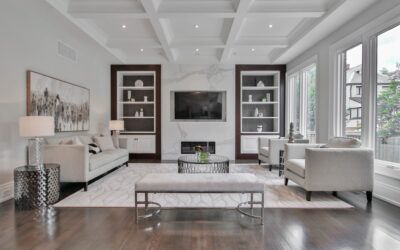
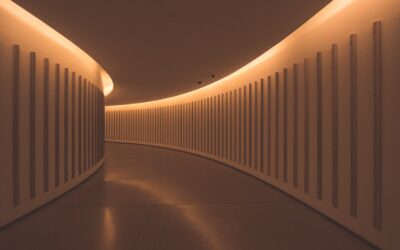
The difference between a builder-grade can light and a premium downlight is obvious the moment both are switched on. High end recessed lighting renders colors more accurately, disappears into the ceiling more cleanly, and dims to a warm glow without flicker or buzz. It costs several times more per fixture, but for a signature room or a whole-home remodel, the upgrade shows. This guide explains exactly what you are paying for, from light quality to trim design, so you can decide where premium fixtures earn their price.
What Separates Premium From Budget
On paper two downlights may both say “LED, 3000K, dimmable,” yet perform worlds apart. Premium fixtures invest in the details that budget brands skip: superior color rendering, higher-quality dimming drivers, better heat management, and refined trims that minimize glare. You are paying for the quality of the light itself and the way the fixture integrates into the ceiling, not just the ability to produce brightness.
Color Quality: CRI and Consistency
The single biggest visible upgrade is color rendering. High-end fixtures deliver a high CRI (Color Rendering Index), typically 90 to 97, meaning skin tones, wood, artwork, and food look natural rather than washed out. Budget lights often sit at CRI 80 or lower. Premium lines also hold tight color consistency between fixtures, measured in MacAdam ellipses or SDCM, so a row of lights all read the same warm tone instead of some looking pink and others green. Look for these specs:
- CRI 90+ for true color, ideally 95+ for kitchens, baths, and art.
- Tight binning (2-3 SDCM) so fixtures match each other.
- R9 value above 50 for accurate, vibrant reds.
Dimming Performance
Cheap LEDs often flicker, buzz, or cut out at low levels. Premium fixtures use higher-quality drivers that dim smoothly down to 5 percent or even 1 percent, and many offer warm-dim technology that shifts to a cozier, candle-like color as you lower the brightness, mimicking incandescent behavior. Pairing a quality fixture with a compatible high-end dimmer eliminates flicker and gives you cinema-like control over mood. If dimming matters to you, this alone can justify the upgrade.
Trims and Trimless Designs
Appearance in the ceiling is where high-end lighting truly distinguishes itself. Premium options include:
- Trimless fixtures: the light integrates flush into the drywall with no visible ring, for a clean architectural look.
- Deep-regressed baffles: the LED sits far back in the housing to cut glare, so you see light on the surfaces rather than a bright hot spot.
- Adjustable and gimbal trims: aim the beam at art, a fireplace, or a feature wall.
- Pinhole and slot apertures: tiny openings for a discreet, high-drama effect.
Trimless installations require drywall mudding around the fixture, which adds labor cost but delivers the seamless look designers prize.
Beam Control and Optics
Premium downlights offer engineered optics that give you precise beam angles, from tight 15-degree spots for accenting to wide 60-degree floods for general light. Better lenses reduce glare and create crisp, controlled pools of light instead of a fuzzy spill. This control lets a lighting designer layer a room, using narrow beams to highlight and wide beams to fill, something budget fixtures with fixed, wide distributions cannot do.
Build Quality and Longevity
High-end fixtures manage heat better with substantial aluminum heat sinks, which extends LED life and protects color stability over time. Rated lifespans often reach 50,000 hours or more with warranties of five years or longer. The housings are sturdier, the connections more robust, and many are rated for insulation contact and airtight installation, which improves energy efficiency in the ceiling. You are buying fixtures that will look the same in a decade, not fade and shift color.
What You Will Pay
Budget recessed lights run $10 to $30 each. High-end fixtures typically cost $80 to $250 or more per light, and trimless architectural systems climb higher still once you add the drywall labor. For a whole home that adds up fast, so many homeowners reserve premium fixtures for the rooms that matter most, kitchens, living areas, and display walls, and use quality mid-tier lights elsewhere.
Top Premium Brands
A handful of manufacturers define the high end, and knowing them helps you shop. In the architectural tier, names like DMF Lighting, Element by Tech Lighting, and USAI Lighting build fixtures prized for tight color consistency and trimless designs. Lutron pairs beautifully with any of them on the dimming side, offering drivers and controls engineered for flicker-free performance. For a step below full architectural pricing but well above builder grade, brands such as Halo (in its premium lines) and WAC Lighting offer high-CRI fixtures with warm-dim options. When comparing, read the actual spec sheet rather than the marketing copy, since the CRI, R9, and dimming-range numbers tell the real story.
Installation and Integration
Premium fixtures are not always harder to install, but the best looks require more finish work. A standard high-CRI can light drops into a remodel housing like any other. Trimless and plaster-in fixtures, however, need the drywall mudded flush around the frame, which is a job for a skilled finisher and adds meaningful labor cost. Many high-end systems also use separate remote drivers that must be placed within reach for service, and they integrate with smart lighting controls for scenes and scheduling. Plan the wiring, driver locations, and dimmer compatibility during rough-in, since retrofitting these details later is far more disruptive.
Is It Worth It
High end recessed lighting is worth the premium where light quality and appearance are on display: kitchens where you want food and finishes to look their best, living rooms where you want a warm, dimmable evening glow, and any space showcasing art or architecture. If your goal is simply to brighten a closet or laundry room, budget cans are fine. Spend where the eye lingers, insist on CRI 90+, smooth dimming, and low-glare trims, and the difference will be visible every single evening.