Apple cider vinegar gets all the attention in DIY pest control, but plenty of households do not keep it around, or find it does not lure the flies in their kitchen. The good news is that a homemade fly trap without apple cider vinegar is easy to build from pantry staples like sugar, ripe fruit, wine, soda, or dish soap. Flies are drawn to fermentation and sweetness, and there are half a dozen baits that work just as well as ACV, sometimes better. The mechanism is always the same: attract the flies, then trap or drown them.
Below are the traps I actually keep in rotation, sorted by what you are likely to have on hand right now.
- The Core Principle: Bait Plus a Kill Mechanism
- Sugar Water and Dish Soap Trap
- Ripe Fruit Trap
- Wine or Beer Trap
- Soda and Fruit Juice Traps
- Honey Sticky Trap
- Comparison of No-Vinegar Baits
- Don't Forget to Remove the Source
- A Quick Safety Note
- Matching the Trap to Your Fly Problem
- Boosting a Sluggish Trap
- Keeping Flies Out for Good
- Frequently Asked Questions
- What can I use instead of apple cider vinegar for a fly trap?
- Does sugar water really catch flies?
- Why add dish soap to the trap?
- What is the best trap for regular house flies?
- How long until the trap works?
- Can you use red wine vinegar or white vinegar instead of apple cider vinegar?
- How do you make a gnat trap without apple cider vinegar?
- How do you make a fly trap from a plastic bottle?
- Will dish soap and water alone catch flies?
- Final Thoughts
The Core Principle: Bait Plus a Kill Mechanism
Every effective fly trap has two parts. The bait, something sweet or fermenting, pulls flies in. The kill mechanism, either dish soap that breaks surface tension so they drown, or a one-way funnel they cannot escape, finishes the job. Any sweet, fruity, or fermented liquid can replace apple cider vinegar as bait, so do not stress about the exact ingredient.
Sugar Water and Dish Soap Trap
The simplest recipe uses nothing but sugar, water, and dish soap:
- Dissolve 3 tablespoons of sugar in about a cup of warm water.
- Add 4 to 5 drops of liquid dish soap and stir gently.
- Pour into a shallow bowl and set it near the fly activity.
The sugar attracts, and the soap makes the surface too slick to stand on, so flies sink and drown. A splash of fruit juice supercharges it.
Ripe Fruit Trap
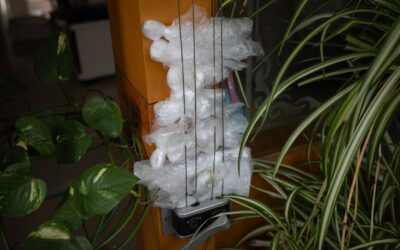
Overripe fruit is a fruit fly magnet. Place a few chunks of banana, peach, or mango in the bottom of a jar, cover the top with plastic wrap secured by a rubber band, and poke several small holes with a toothpick. Flies crawl in toward the smell and cannot find their way out. Drop a little dish soap and water in the bottom to guarantee they drown. This is one of the most reliable no-vinegar traps you can build.
Wine or Beer Trap
Leftover red wine, or the last flat inch of beer, is fermented and works beautifully as bait, arguably better than apple cider vinegar. Pour a splash into a glass, add a couple of drops of dish soap, and leave it uncovered near the infestation. For a stronger pull, use the plastic-wrap-and-holes funnel method over the glass.
Soda and Fruit Juice Traps
Sugary sodas and fruit juices ferment slightly and attract flies well. Leave a can of regular (not diet) soda out, or pour juice into a jar with dish soap and a plastic-wrap lid. Diet soda will not work, flies want the real sugar.
Honey Sticky Trap
For a completely liquid-free option, smear honey or corn syrup onto strips of yellow paper or cardstock and hang them near windows and the trash. Flies land on the sticky sweet surface and get stuck. Yellow attracts flies especially well, mimicking the store-bought sticky ribbons.
Comparison of No-Vinegar Baits
- Ripe fruit: best overall for fruit flies; strongest natural lure.
- Wine or beer: excellent, mimics fermentation ACV provides.
- Sugar water: most convenient; boost with juice.
- Soda/juice: good and hands-off, must be full-sugar.
- Honey strips: best for house flies and window-clustering flies.
Don’t Forget to Remove the Source
Traps knock down adult flies, but they will keep coming back if you leave breeding grounds. Fruit flies lay eggs in fermenting organic matter, so:
- Refrigerate or discard overripe produce.
- Take out the trash and scrub the bin and lid.
- Flush drains with boiling water and a drain brush to remove the slimy film where larvae live.
- Wipe up sugary and alcoholic spills promptly.
Clean the kitchen and the traps will empty out within a couple of days.
A Quick Safety Note
These traps are non-toxic, but keep them away from pets and small children who might tip or drink them. And never try to boost a trap by adding bleach, which does nothing for flies and becomes dangerous if it contacts vinegar or ammonia, releasing toxic gas. Stick to sugar, fruit, wine, soda, honey, and dish soap.
Matching the Trap to Your Fly Problem
Not every flying pest in the kitchen is a fruit fly, and the right trap depends on the culprit. True fruit flies are tiny, tan, and hover around ripe produce and drains, they respond best to the fermenting fruit, wine, and sugar-water traps. Fungus gnats are darker and swarm around overwatered houseplant soil rather than food; for those, let the soil dry out and use yellow sticky traps at pot level. House flies are larger and cluster on windows and near the trash, and honey-smeared yellow strips or a soda trap near the door work better for them. Drain flies, small and moth-like, breed in the gunk inside slow drains and are solved by cleaning the pipe, not by baiting. Identify which fly you are fighting and you will pick a trap that actually catches them.
Boosting a Sluggish Trap
If a trap is not pulling flies within a few hours, a few adjustments usually fix it. Add a pinch of active dry yeast to sugar water, the yeast kick-starts fermentation and produces the carbon-dioxide-and-alcohol scent flies zero in on. Warm the bait slightly, since heat releases more aroma than a cold liquid. Move the trap closer to the actual activity, because flies will not travel far. And make sure you have enough dish soap in the mix; too little and the surface tension holds, letting flies escape. A stale trap loses its pull after a day, so refresh the bait daily for the strongest lure.
Keeping Flies Out for Good
Traps are reactive; prevention keeps the problem from returning. Store ripe fruit in the refrigerator, take the trash out before it ferments, rinse bottles and cans before recycling, and wipe up sugary spills immediately. Fix leaky pipes and keep drains clear, and install fine screens on open windows during warm months. A clean, dry kitchen simply does not offer the moist fermenting matter flies need to breed, so once you have trapped the current generation, good habits stop the next one from ever getting started.
Frequently Asked Questions
What can I use instead of apple cider vinegar for a fly trap?
Sugar water, overripe fruit, red wine, beer, full-sugar soda, fruit juice, or honey all work as bait. Pair the liquid baits with a few drops of dish soap so flies drown, or use a plastic-wrap-and-holes lid as a one-way funnel.
Does sugar water really catch flies?
Yes. Dissolved sugar attracts flies strongly, and adding dish soap breaks the water’s surface tension so they sink instead of landing safely. A splash of fruit juice makes it even more effective, especially against fruit flies.
Why add dish soap to the trap?
Dish soap breaks the liquid’s surface tension. Without it, flies can stand on top of the liquid and fly away. With it, they sink and drown on contact, which turns bait into an actual kill trap.
What is the best trap for regular house flies?
Honey or corn-syrup smeared on yellow paper strips works best for house flies, which cluster around windows. For fruit flies, a ripe-fruit jar with a poked plastic-wrap lid and a little soapy water is more effective.
How long until the trap works?
You will usually catch flies within a few hours, with the biggest results over the first day or two. Refresh the bait daily and keep trapping until you go a full day with no new catches, while also cleaning breeding sources.
Can you use red wine vinegar or white vinegar instead of apple cider vinegar?
Red wine vinegar works well as a substitute because it carries a fruity, fermented smell that fruit flies follow. Plain white vinegar is much weaker bait, since it smells sharp rather than fruity, so add a spoon of sugar or a piece of ripe fruit to it. With any vinegar, add a few drops of dish soap so the flies sink instead of escaping.
How do you make a gnat trap without apple cider vinegar?
For fungus gnats around houseplants, yellow sticky cards pushed into the soil work better than liquid bait, and letting the top inch of soil dry out stops them breeding. For gnats in the kitchen, the sugar water, ripe fruit or wine traps with dish soap catch them the same way as fruit flies. Set traps close to where the gnats gather.
How do you make a fly trap from a plastic bottle?
Cut the top third off a clear plastic bottle, pour bait such as sugar water, juice or mashed fruit into the bottom, then flip the top upside down into the base like a funnel with the cap removed. Tape the edges together. Flies follow the smell down through the narrow neck and struggle to find the way back out. A drop of dish soap in the bait helps.
Will dish soap and water alone catch flies?
No, soapy water by itself has nothing to attract flies, so it catches very few. The soap is only the kill mechanism, breaking surface tension so flies sink. Always add a bait such as sugar, juice, overripe fruit, wine or beer, and use just a few drops of soap so it does not overpower the sweet smell.
Final Thoughts
You do not need apple cider vinegar to build an effective fly trap. Sugar water, overripe fruit, leftover wine, sugary soda, or honey strips all lure flies just as well, and a few drops of dish soap or a poked plastic-wrap lid seals their fate. Set fresh traps daily and clean up the fermenting food, drains, and spills that draw flies in the first place, and your kitchen will be fly-free within a few days using nothing but pantry basics.