Stepping out of the shower into a warm, fluffy towel is one of life’s small luxuries, and a hot towel warmer makes it an everyday reality. These appliances gently heat towels for spa-like comfort, and many also help dry damp towels to prevent mildew. This guide covers the types, costs, wattage, and how to choose the right one.
- What Does a Towel Warmer Do?
- The Main Types of Towel Warmers
- Hardwired vs. Plug-In
- How Hot Do They Get?
- Wattage and Energy Use
- How Much Do They Cost?
- Timers and Smart Features
- Sizing for Your Towels
- Installation Tips
- Safety Considerations
- Hydronic vs. Electric Rack Warmers
- Estimating Real Operating Costs
- Bucket vs. Rack: Which to Choose
- Installation Step-by-Step for a Wall Rack
- Safety and Maintenance
- Sizing and Capacity Planning
- Frequently Asked Questions
- Final Thoughts
What Does a Towel Warmer Do?
A towel warmer heats towels so they are warm and cozy when you use them. Beyond comfort, warmers keep towels dry between uses, which reduces the musty smell and mildew that come from damp towels sitting in a humid bathroom. Some models double as supplemental room heaters and can also warm robes, blankets, and even help dry delicate laundry.
The Main Types of Towel Warmers
- Bucket-style warmers: A cylindrical unit you roll a towel into; heats quickly and is portable.
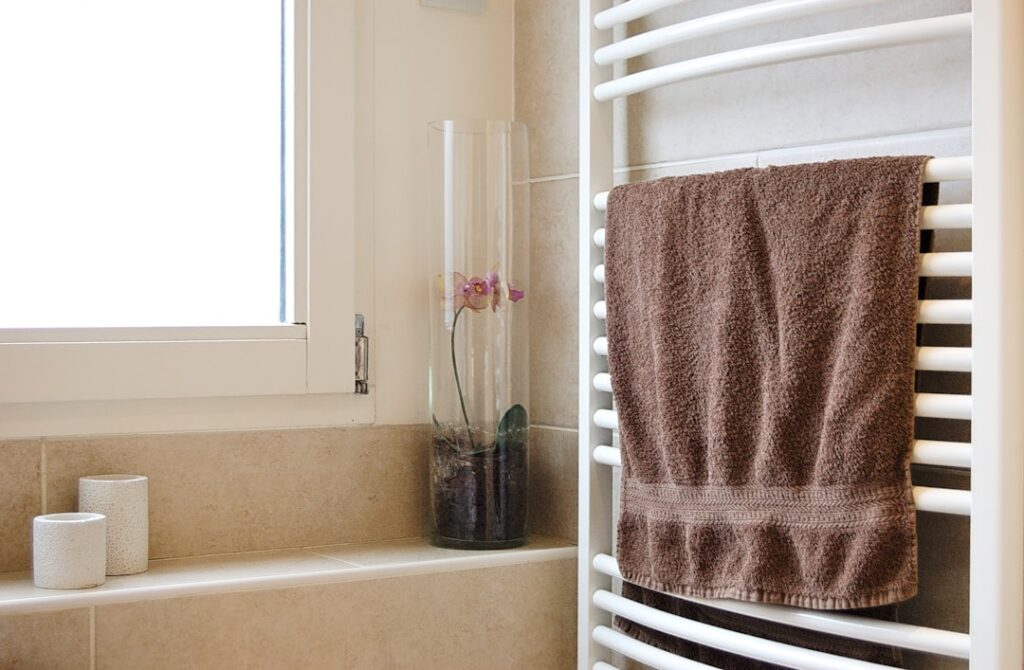
- Wall-mounted racks: Ladder or bar-style heated racks fixed to the wall, ideal for daily use.
- Freestanding racks: Heated racks on legs or wheels that need no installation.
- Towel warmer drawers: Built-in cabinet drawers that heat towels, common in luxury baths.
Hardwired vs. Plug-In
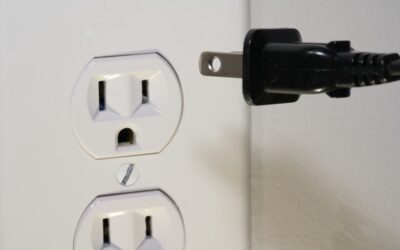
Wall-mounted and built-in warmers come in two power styles. Hardwired models connect directly to your home’s electrical wiring for a clean, cord-free look but require an electrician and a dedicated circuit. Plug-in models simply use a standard outlet, making them easy to install yourself and easy to relocate. For a bathroom near water, ensure any outlet used is GFCI-protected for safety.
How Hot Do They Get?
Most towel warmers operate at surface temperatures between 100°F and 150°F, warm enough to heat a towel through but not hot enough to scorch fabric. Bucket-style warmers heat a towel in about 10 minutes, while rack-style warmers may take 30 to 60 minutes to fully warm a thick towel. Many models include timers so they are ready when you need them without running all day.
Wattage and Energy Use
Towel warmers are relatively low-power appliances. Typical wattage ranges are:
- Bucket-style warmers: around 100 to 200 watts
- Wall-mounted racks: around 60 to 150 watts
- Larger freestanding racks: up to 250 watts
Running a warmer for an hour a day costs only a few dollars per month in most areas, making it an inexpensive luxury.
How Much Do They Cost?
Purchase prices vary by type and quality:
- Bucket-style warmers: $100 to $200
- Plug-in wall or freestanding racks: $80 to $300
- Hardwired designer racks: $200 to $800+
- Built-in warming drawers: $500 to $2,000+
Timers and Smart Features
Many modern towel warmers include convenience features worth considering. Built-in timers let you schedule the warmer to run before your morning shower and shut off automatically. Some smart models offer app or voice control and programmable schedules. Auto shut-off is an important safety and energy feature, ensuring the unit does not run indefinitely if you forget to turn it off.
Sizing for Your Towels
Choose a warmer sized for the towels you use. Bucket warmers typically hold one large bath towel at a time. Rack warmers vary widely; count the bars and their length to know how many towels fit. If you want to warm multiple towels for a family or robes and blankets too, opt for a larger multi-bar rack or a freestanding unit with ample bar space.
Installation Tips
Plug-in and freestanding models are effortless to set up: place or mount them and plug in. For hardwired racks, hire an electrician to run the connection and ensure it meets local code, including proper grounding and GFCI protection in wet areas. Mount wall racks into studs or with heavy-duty anchors, and keep the warmer a safe distance from flammable items.
Safety Considerations
Towel warmers are generally very safe, but follow basic precautions. Keep any electrical connections GFCI-protected, do not drape non-fabric or flammable items on the bars, and choose a model with auto shut-off. Surfaces get warm but not dangerously hot, though supervise young children around any heated appliance. Unplug portable units when leaving home for extended periods.
Hydronic vs. Electric Rack Warmers
Wall-mounted rack warmers come in two heating types. Electric racks contain a heating element and simply need power, making them easy to install anywhere with an outlet or hardwired connection. Hydronic racks circulate hot water from your home’s boiler or a dedicated closed loop, integrating with a hydronic heating system for very even, gentle warmth and no electricity use once installed. Hydronic units cost more upfront and require plumbing, so they suit homes already using boiler heat. For most households, an electric rack is simpler and more practical.
Estimating Real Operating Costs
Towel warmers are inexpensive to run. A typical 100-watt wall rack used two hours a day consumes about 0.2 kWh daily, or roughly 6 kWh a month. At an average U.S. electricity rate of around 16 cents per kWh, that is under $1 a month. Even a larger 250-watt freestanding unit run longer rarely exceeds a few dollars monthly. A timer cuts this further by ensuring the warmer only runs when needed, so operating cost is almost never a reason to avoid one.
Bucket vs. Rack: Which to Choose
The two most popular home styles serve different needs. A bucket-style warmer heats a single towel in about 10 minutes and is portable, ideal if you want a warm towel on demand without wall installation, and it doubles for warming blankets or robes. A rack-style warmer holds multiple towels, keeps them dry between uses to prevent mildew, and works continuously for a household. If you want speed and portability, choose a bucket; if you want ongoing towel drying and capacity for a family, choose a rack.
Installation Step-by-Step for a Wall Rack
- Choose a location near the shower or tub, away from splashing water and flammable items.
- Locate wall studs or plan for heavy-duty drywall anchors rated for the rack’s weight.
- Mark and drill the mounting holes level using the template provided.
- Secure the mounting brackets firmly to studs or anchors.
- Hang the rack and connect power: plug into a GFCI outlet, or have an electrician hardwire it.
- Test operation and confirm the timer and auto shut-off work.
Safety and Maintenance
Towel warmers are low-risk appliances, but a few precautions matter. Ensure any outlet in a wet bathroom is GFCI-protected, choose a model with automatic shut-off, and never drape flammable or non-fabric items on the bars. Surfaces reach a warm 100°F to 150°F, comfortable but worth supervising around young children. Maintenance is minimal: wipe the bars occasionally to remove lint and dust, check that mounting hardware stays tight, and unplug portable units before extended trips away from home.
Sizing and Capacity Planning
Match the warmer’s capacity to your household. A bucket-style unit warms one bath towel at a time, fine for an individual or couple who want an on-demand warm towel. A wall or freestanding rack with six to ten bars can hold and dry several towels at once, suiting a family or a bathroom shared by multiple people. If you also want to warm robes, hand towels, and washcloths, count on needing more bar space than towels alone. Measure your available wall or floor area and the towel volume you use before choosing between a compact bucket and a full multi-bar rack.
Frequently Asked Questions
Shoppers considering a towel warmer ask these questions most. Are they expensive to run? No; a typical rack costs under a dollar a month, and a timer lowers that further. Do they help with mildew? Yes, keeping towels dry between uses prevents the musty smell that comes from damp towels in a humid bathroom. Do I need an electrician? Only for hardwired models; plug-in and freestanding units simply need a GFCI outlet. How hot do they get? Surfaces reach a warm 100°F to 150°F, enough to heat a towel but not scorch fabric. Can they warm blankets and robes? Yes, bucket and larger rack models handle robes, blankets, and delicate laundry too.
Final Thoughts
A hot towel warmer delivers genuine everyday luxury at a modest cost, wrapping you in warmth after every shower while keeping towels dry and fresh. Choose the type that fits your bathroom and installation comfort, from a simple plug-in bucket to a hardwired designer rack, look for a timer and auto shut-off, and size it for your towels to enjoy spa comfort at home for years.