A chimney fire starts inside the flue when creosote buildup ignites at temperatures above 451°F, and it burns at 2,000°F — hot enough to crack the liner, breach the masonry, and set the attic on fire. Regular cleaning prevents that scenario, and how much does it cost to clean a chimney is usually the question homeowners ask right after the first smoky fire of the season. A standard sweep runs $175 to $300 nationally, but the final bill depends on creosote grade, liner type, roof access, and whether a Level 2 inspection gets added on. Here is the full cost breakdown with the 2026 numbers from active chimney sweeps.
Standard Sweep Cost Range
For a typical single-flue masonry chimney serving a wood-burning fireplace, expect $175 to $300 for a CSIA-certified sweep that includes:
- Mechanical brushing of the flue from the damper to the cap
- Vacuum-assisted debris collection at the firebox
- Inspection of the smoke chamber, damper, and visible firebox condition
- Basic Level 1 visual inspection
Rural areas and low-cost-of-living markets trend toward $150 to $200. Major metros (Boston, NYC, San Francisco, Seattle) run $275 to $400 for the same service.
Factors That Raise the Price
Heavy Creosote Buildup
Creosote forms in three stages. Stage 1 is a flaky black soot that brushes off easily — included in the standard sweep. Stage 2 is a tar-like, shiny deposit that requires chemical pretreatment and extra brushing, adding $100 to $250. Stage 3 (glazed creosote) is a hard, glassy crust that demands rotary tools or specialized chemicals and can push the total to $500 to $900. If you skipped a cleaning or two, expect Stage 2 or 3 buildup and plan for the extra cost.
Multiple Flues
A chimney serving both a fireplace and a furnace shares a stack but has two separate flues. Cleaning the second flue adds $75 to $150. Three flues (fireplace, furnace, water heater) runs $350 to $500 total.
Roof Access and Height
Steep roof pitches above 8/12, two-story homes, and chimneys taller than 30 feet trigger safety equipment surcharges of $50 to $150. Townhome and condo chimneys with no direct roof access can require lift trucks or bucket rentals, raising the total another $200 to $400.
Fireplace Type
- Open wood-burning fireplace: $175 to $300 baseline
- Wood stove with insert: $225 to $375 (insert removal adds time)
- Pellet stove vent: $150 to $250 (smaller-diameter pipe, faster clean)
- Gas fireplace: $100 to $200 (inspection more than cleaning)
- Oil furnace chimney: $200 to $350 (heavy soot requires special handling)
Inspection Levels and Costs
The Chimney Safety Institute of America (CSIA) defines three inspection levels. Most homeowners need Level 1 annually. Levels 2 and 3 apply to specific situations.
Level 1: Routine Annual Inspection
Visual check of readily accessible portions of the chimney. Usually included free with a standard sweep. Standalone cost $75 to $150.
Level 2: Sale or Change-of-Service
Required by most states when buying or selling a home, adding a fireplace insert, or after a chimney fire. Includes video scan of the flue interior with a specialized camera. Runs $200 to $500 standalone, or $125 to $250 if bundled with a cleaning.
Level 3: Structural Damage
For suspected damage that requires opening walls or removing chimney components. Starts at $500 and climbs quickly. Rarely needed outside of post-fire or earthquake conditions.
Common Add-On Services
- Chimney cap installation: $150 to $500 depending on flue count and material
- Damper replacement: $250 to $600 installed
- Creosote sweeping log pretreatment (CSL): $20 to $40 — loosens Stage 2 buildup before cleaning
- Smoke chamber parging: $400 to $1,200 to fix rough masonry above the firebox
- Crown repair or sealing: $200 to $1,500 depending on condition
- Flue liner repair or relining: $1,500 to $5,000 — major repair, not routine
How Often to Clean
The National Fire Protection Association (NFPA 211) recommends annual chimney inspection for any solid-fuel appliance. Cleaning frequency depends on use:
- Occasional use (under 30 fires per year): Clean every 2 to 3 years or when 1/8 inch of creosote accumulates
- Regular use (primary heat source): Clean annually before burn season
- Heavy use (daily fires all winter): Clean twice per year — fall and mid-winter
Signs You Need a Clean Now
- Visible black flakes or tar-like streaks inside the firebox
- Smoke backing into the room when the damper is open
- Strong soot or tar smell when the fireplace is unused
- Animal sounds or nesting debris visible in the damper area
- Poor draft — fire struggles to start or stay lit
DIY Sweeping: Honest Assessment
A DIY chimney brush kit costs $60 to $120 and includes sectional rods, a poly or wire brush, and a shop-vac adapter. For homeowners comfortable on a roof with harness equipment, it is possible. What you skip is the trained eye of a certified sweep — cracks in the liner, gaps in mortar, and early signs of failure that an untrained homeowner misses. For a few hundred dollars saved, you accept a risk a professional would catch. Most pros recommend DIY for off-season maintenance only, with a professional inspection every 2 to 3 years minimum.
Saving Money Without Cutting Corners
- Book in spring or summer — many sweeps offer 10 to 20% off during off-season
- Bundle neighbors — multiple homes on one block sometimes get a discount
- Burn only seasoned hardwood (below 20% moisture content) to slow creosote buildup
- Run fires hot and short rather than smoldering overnight
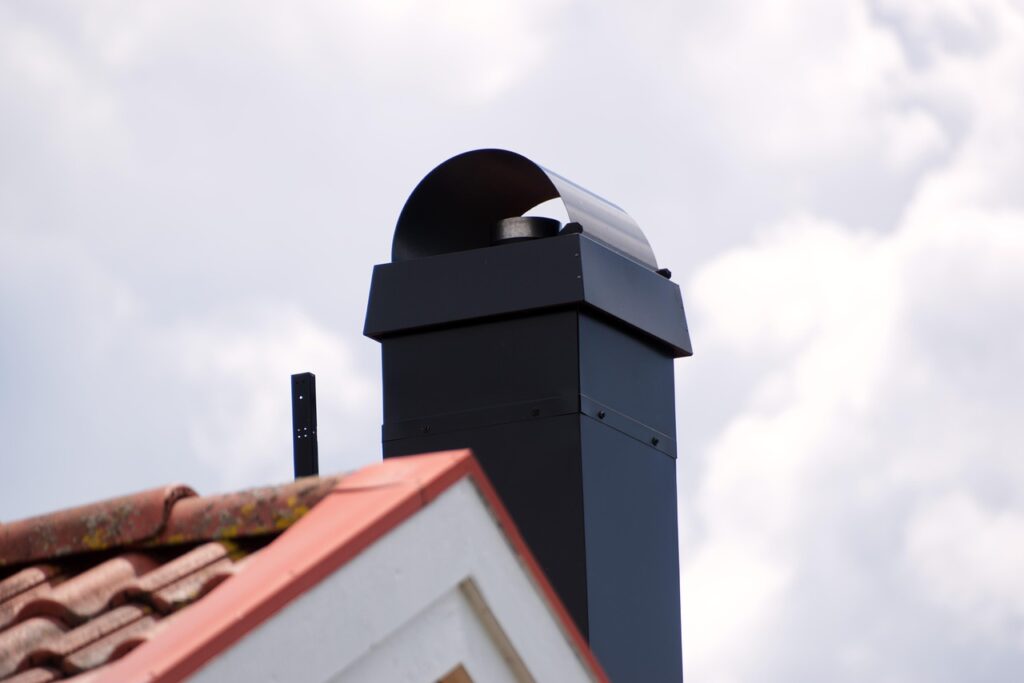
- Install a quality cap to keep out rain, animals, and nesting debris
Choosing a Reputable Sweep
Verify CSIA (Chimney Safety Institute of America) certification on the technician, not just the company. Ask for proof of insurance, a written estimate before work starts, and an itemized receipt after. Avoid anyone who shows up unsolicited at the door offering a same-day sweep at a discount — a common scam pattern in neighborhoods with older chimneys.
Understanding how much does it cost to clean a chimney comes down to flue condition, fireplace type, and whether an inspection gets bundled in. Budget $200 to $300 for annual maintenance, and treat the line item as cheap insurance against the one fire that destroys a house.