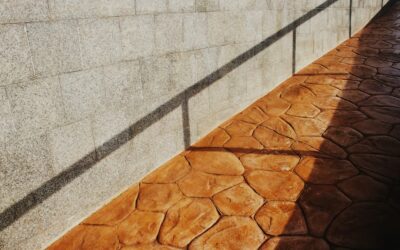
If you are pricing a new patio or driveway, the first question is almost always the same: how much does stamped concrete cost compared to plain concrete or pavers? The honest answer is that stamped concrete sits in an appealing middle ground, delivering the look of stone, brick, or slate at a fraction of the price of the real materials. Most homeowners spend between $12 and $25 per square foot installed, but the range stretches wider once you factor in design complexity and site conditions. This budget guide breaks down exactly how much does stamped concrete cost so you can plan with real numbers.
The Short Answer: Price Per Square Foot
Stamped concrete is priced by the square foot, and the total hinges on how elaborate the pattern and coloring are. Contractors typically sort jobs into three tiers.
- Basic (one pattern, one color): $12 to $15 per square foot. A single stamp mat and a single integral color.
- Mid-range (one pattern, two or three colors, some detail): $15 to $20 per square foot. Border accents and a second release color for depth.
- High-end (multiple patterns, hand-detailing, custom borders): $20 to $28 per square foot, and premium custom work can top $30.
For comparison, plain broom-finished concrete runs about $6 to $12 per square foot, while natural stone or genuine brick pavers often cost $20 to $40 per square foot installed. That gap is exactly why stamped concrete stays popular: it mimics high-end materials while staying closer to the price of a plain slab.
What a Typical Project Totals
Square-foot pricing gets abstract, so here is what real projects add up to at a mid-range rate of around $16 per square foot.
- Small patio (12 by 12 feet, 144 sq ft): roughly $2,300 to $2,900
- Average patio (16 by 20 feet, 320 sq ft): roughly $5,000 to $6,400
- Two-car driveway (600 sq ft): roughly $9,000 to $15,000, since driveways need thicker, reinforced slabs
- Walkway (4 by 40 feet, 160 sq ft): roughly $2,400 to $3,200
- Pool deck (700 sq ft): roughly $11,000 to $17,000 with slip-resistant finishes
Driveways and pool decks cost more per square foot than patios because they carry heavier loads or demand extra surface treatments, which pushes the pricing tier upward.
What Drives the Price Up or Down
Two jobs of identical size can differ by thousands of dollars. Understanding the cost drivers helps you see where your quote comes from and where you might trim.
Design Complexity
A single stamp pattern in one color is the cheapest route. Every layer you add, a second color, a contrasting border, a compass inlay, or multiple textures blended together, adds labor and material. Hand-applied coloring and custom scoring are the most expensive details because they cannot be rushed.
Site Preparation
The slab is only part of the job. If your contractor has to demolish and haul away an old patio, that adds $2 to $6 per square foot. Poor soil that needs excavation, grading, and a compacted gravel base raises the bill further. A flat, clear site with good drainage is the cheapest to build on.
Slab Thickness and Reinforcement
A patio typically needs a 4-inch slab, while a driveway that supports vehicles needs 5 to 6 inches plus wire mesh or rebar and often fiber-reinforced concrete. That extra material and steel is the main reason driveways cost more per square foot than patios.
Labor and Regional Differences
Labor makes up 40 to 60 percent of a stamped concrete bill because the work is time-sensitive and skill-intensive. Once the concrete is poured, crews have a narrow window, sometimes under an hour, to stamp the pattern before it sets. That pressure means you are paying for an experienced team, and cutting corners on labor usually shows up as misaligned stamps or faded color.
Where you live matters too. Labor rates in major metro areas and high-cost coastal regions can run 20 to 40 percent above rural or midwestern pricing. Season plays a role as well; booking in the busy late-spring and summer stretch often costs more than scheduling a shoulder-season pour in early fall.
Hidden and Ongoing Costs
The install quote is not the whole story. Budget for these often-overlooked line items.
- Sealing: Stamped concrete must be resealed every 2 to 3 years to protect the color and finish, at roughly $0.50 to $1.50 per square foot each time.
- Permits: Many municipalities require a permit for a new slab, typically $50 to $200.
- Control joints and repairs: Concrete cracks over time. Proper control joints minimize it, but occasional crack repair is part of long-term ownership.
Factoring in resealing, the true 10-year cost of stamped concrete is a bit higher than the sticker price, though still generally lower than maintaining a natural stone surface.
Ways to Save Without Cutting Quality
You can shave real money off a stamped concrete project with a few smart choices. Stick to a single pattern and one integral color, which lands you in the lowest pricing tier while still looking far better than plain gray. Keep the layout simple and rectangular, since curves and multiple levels add forming labor.
Bundle the work with other concrete on your property so the crew mobilizes once, and schedule during the off-season when contractors are hungrier for work. Above all, get three detailed written quotes and check references and photos of past jobs, because a bargain price from an inexperienced crew often leads to cracking, uneven color, or a stamp that releases poorly, and redoing it costs far more than doing it right the first time.
Stamped Concrete vs. Pavers and Stone
Since price is the whole question, it helps to see where stamped concrete lands against its rivals. Concrete pavers cost roughly $15 to $30 per square foot installed and offer easy spot repairs, since you can lift and replace a single unit, but weeds and settling between joints are ongoing chores. Natural flagstone or bluestone runs $20 to $40 per square foot and delivers unmatched authenticity, though the price and skilled labor put it out of reach for many budgets.
Stamped concrete threads the needle. It costs less than pavers or stone in most markets, installs as a single monolithic slab with no joints for weeds, and mimics almost any high-end material convincingly. The trade-off is repairability: a cracked slab is harder to fix invisibly than a swapped paver, and a botched color job is expensive to redo. For homeowners who want the stone look at a mid-range price and do not mind resealing every few years, stamped concrete usually wins the value comparison.
Getting an Accurate Quote
The estimates in this guide are ranges, and your real number comes from a site visit. To compare bids fairly, make sure each contractor is quoting the same scope. Ask every bidder to itemize the slab thickness, the reinforcement, the number of colors and patterns, the sealing included, and whether demolition and haul-away of any existing surface is part of the price.
Watch for a few red flags. A bid dramatically lower than the others often means a thinner slab, no reinforcement, or an inexperienced crew, any of which leads to cracking within a couple of years. Confirm the contractor carries liability insurance and offers a workmanship warranty, and ask to see photos and addresses of stamped jobs they poured three or more years ago, since that reveals how their work ages. A slightly higher bid from a proven crew almost always costs less over the life of the surface than the cheapest quote redone.
Is Stamped Concrete Worth It
For most homeowners, stamped concrete delivers strong value: the upscale look of stone or brick, a durable surface that lasts 25 years or more with maintenance, and a mid-range price that beats natural materials. So when you ask how much does stamped concrete cost, the practical takeaway is to budget around $12 to $25 per square foot for the install, set aside a small annual amount for resealing, and get several quotes before you commit. Priced correctly and installed by an experienced crew, a stamped patio or driveway adds lasting curb appeal for a fraction of what the equivalent stonework would run.