A backsplash is one of the highest-impact, lowest-cost upgrades in a kitchen—but ask three contractors how much to install backsplash and you may get three very different quotes. The spread comes down to material, tile size, layout complexity, and where you live. Most homeowners spend between $600 and $1,500 for a standard kitchen backsplash, though a small subway-tile job can land under $400 and an intricate natural-stone design can climb past $3,000. Here is how the math actually breaks down so you can budget with confidence and spot an inflated quote.
Part of our Kitchen Remodeling guide — explore the full guide →
The Short Answer: Cost Per Square Foot
For a typical kitchen, expect an all-in cost of $10 to $40 per square foot, combining materials and labor. A standard kitchen backsplash covers roughly 30 to 40 square feet—the strip between countertop and upper cabinets plus the area behind the range. That footprint is what turns a per-square-foot rate into a project total.
- Budget ceramic or basic subway tile: $10–$20 per sq ft installed
- Mid-range glass, porcelain, or mosaic: $20–$30 per sq ft installed
- Natural stone, marble, or intricate patterns: $30–$60 per sq ft installed
Breaking Down Material Costs
Material is the piece homeowners control most. The tile itself ranges widely, and the setting supplies add a predictable few dollars on top.
- Ceramic and porcelain: $2–$10 per sq ft
- Glass tile: $7–$30 per sq ft
- Natural stone (marble, travertine, slate): $10–$30 per sq ft
- Mosaic sheets: $8–$25 per sq ft
- Peel-and-stick tile: $4–$12 per sq ft
- Thinset, grout, and sealer: $2–$4 per sq ft
Always buy 10 to 15 percent extra to cover cuts, breakage, and future repairs. On a mosaic or herringbone layout, lean toward the higher end because those patterns generate more waste.
What Drives Labor Costs
Labor typically accounts for $8 to $20 per square foot, or you may see a tile setter charge $40 to $80 per hour. A straightforward subway backsplash might take a pro six to eight hours; a detailed herringbone or a stone mosaic with lots of edge pieces can stretch to a day and a half. When you calculate how much to install backsplash in your kitchen, remember that the answer is driven as much by layout as by the tile price sticker.
Several factors push labor up. Diagonal and herringbone layouts require more cuts. Mosaic sheets take longer to align than large-format tile. Outlets, window returns, and an uneven wall all add fussy detail work. And if the tile needs a special blade—glass and natural stone chip easily—the setter’s time per cut rises.
Hidden Costs People Forget
The quote for tile and labor is rarely the whole story. Budget for these extras so nothing blindsides you mid-project.
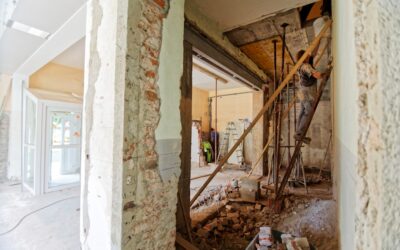
- Old backsplash removal: $2–$5 per sq ft if you are tearing out existing tile
- Wall repair: patching drywall damage after demo, $100–$300
- Electrical: moving or adding outlets, or installing outlet spacers to accommodate tile thickness, $100–$250 per outlet
- Specialty edge trim: Schluter metal edging or bullnose tile, $8–$15 per linear foot
- Sealing: required for natural stone and porous grout, $30–$60 in materials
DIY Versus Hiring a Pro
Doing it yourself can cut the bill roughly in half by eliminating labor, dropping a $1,200 project to about $500 in materials. Peel-and-stick tile and basic subway layouts are genuinely DIY-friendly for a patient weekend warrior with a tile saw or a good pair of nippers.
Where DIY gets risky is with expensive or unforgiving materials. Cutting glass or marble without chipping takes practice, and a botched miter in a $25-per-square-foot stone is an expensive lesson. Getting grout lines dead straight around outlets and corners separates a clean job from an amateur one. If your material is premium or your wall is out of square, the pro’s fee often pays for itself.
Sample Project Budgets
Concrete examples make the ranges easier to picture. These assume a 35-square-foot kitchen backsplash.
- Budget subway tile, DIY: $250–$450 total
- Ceramic subway tile, professionally installed: $600–$900
- Glass mosaic, professionally installed: $1,000–$1,600
- Marble herringbone, professionally installed: $1,800–$3,200
Notice how the same square footage can quadruple in price based purely on material and pattern choices. That is good news: you have real levers to hit almost any budget.
How to Save Without Cutting Corners
You do not have to spend top dollar for a backsplash that looks custom. A few strategic choices stretch the budget.
- Use an inexpensive field tile and splurge only on a small accent strip behind the range.
- Choose porcelain that mimics marble instead of the real stone—no sealing, half the price.
- Stick with a straight-set or classic subway layout to keep labor hours down.
- Handle demo and wall prep yourself, then hand a clean surface to the tile setter.
- Buy tile during holiday sales at the big-box stores, where closeouts routinely run 30 to 50 percent off.
How Material Choice Changes the Total
Because the same square footage can swing so widely in price, the material decision is the biggest lever you control. Ceramic subway tile is the value champion—cheap, timeless, and quick to install. Porcelain costs a little more but resists moisture and stains better, which matters behind a busy range. Glass reflects light and brightens a dim kitchen, but it chips easily and slows the installer down. Natural stone delivers unmatched richness at the highest price and the added burden of sealing.
Pattern matters just as much as material. A simple straight-set or stacked layout keeps cuts to a minimum, while herringbone, chevron, and diagonal patterns can add 20 to 40 percent to labor because every course requires angled cuts and careful alignment. If you love a complex pattern but need to protect the budget, use it only as a small accent behind the cooktop and keep the field tile simple.
Regional Price Differences
Where you live shifts the labor side of the equation noticeably. In major metros on the coasts—think New York, San Francisco, Boston, or Seattle—tile setters often charge $60 to $90 per hour, pushing installed costs toward the top of every range. In the Midwest, the South, and smaller markets, the same work may run $40 to $60 per hour, meaning an identical backsplash can cost hundreds less.
Demand and season play a role too. Contractors book up in spring and summer, so bids tend to be higher during peak remodeling months. Scheduling a small backsplash job in late fall or winter can occasionally earn you a more competitive rate as installers fill slower weeks. Getting multiple quotes remains the surest way to gauge a fair local price.
Getting an Accurate Quote
Measure your backsplash area yourself before calling anyone: multiply the length of each run by its height (usually 18 inches from counter to cabinets) and add the range area. Bring that square footage and a photo of your chosen tile to at least three installers, and ask each to itemize material, labor, removal, and any electrical work separately. A transparent, line-item estimate tells you far more than a single lump sum, and it makes comparing bids honest. With those numbers in hand, you will know exactly how much to install backsplash in your kitchen—and you will be able to tell a fair price from a padded one. Finally, confirm what each bid includes: some installers roll grout, sealer, and edge trim into the price, while others tack them on later. Ask whether cleanup and haul-away are covered, and get the start date and estimated duration in writing so the project stays on schedule and on budget.