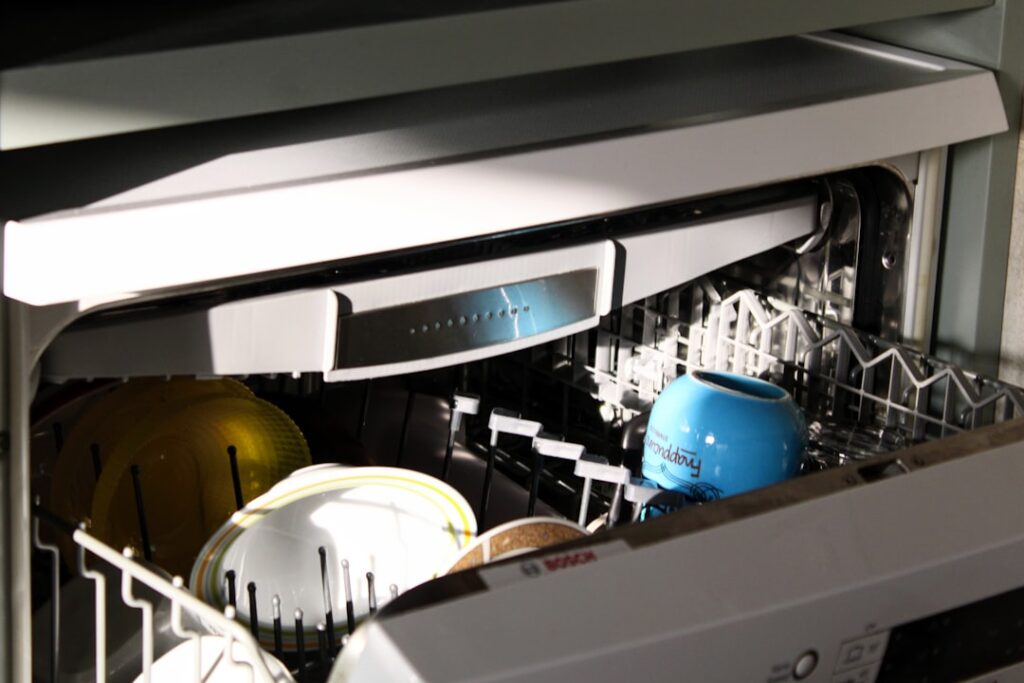
If your dishes come out with gritty film or the kitchen smells like a swamp when you open the door, a clogged filter is almost always the culprit. Knowing how often to clean dishwasher filter parts saves you from that mess, and the answer is simpler than most people think: once a month for average households, and every two weeks if you run the machine daily or skip pre-rinsing. Yet a shocking number of homeowners have never cleaned theirs once in the life of the appliance.
- The Cleaning Schedule at a Glance
- Why a Dirty Filter Causes Real Problems
- How to Find Your Filter
- Step-by-Step Cleaning
- Signs You Waited Too Long
- Monthly Deep Clean for the Whole Machine
- Habits That Stretch the Interval
- How a Clean Filter Saves You Money
- Self-Cleaning vs Manual Filter Models
- What to Do If Odor Persists
Older dishwashers had self-cleaning grinders that pulverized food. Nearly every model made after 2010 uses a removable filter instead, which runs quieter and uses less water but requires you to do the maintenance the machine used to do.
The Cleaning Schedule at a Glance
How often you should clean the filter depends on how hard you run the dishwasher and whether you scrape plates first:
- Once a month: Standard for a family that runs 3 to 5 loads a week and scrapes plates.
- Every two weeks: For daily users, large families, or anyone who loads dishes without scraping.
- Weekly: If you cook often, leave food on plates, or notice recurring odors.
- Quick check anytime: Peek at the filter whenever dishes come out cloudy or the wash cycle sounds off.
Why a Dirty Filter Causes Real Problems
Every cycle, the filter traps food particles so they don’t recirculate onto your clean dishes. When it clogs, that trapped gunk starts rotting, which is where the rotten-egg smell comes from. Worse, a blocked filter forces the pump to work harder, drainage slows, and dirty water can pool in the bottom of the tub. Over time this strains the motor and can lead to a repair bill north of $200. A five-minute cleaning prevents all of it.
How to Find Your Filter
Nearly every filter sits in the floor of the dishwasher, under the bottom spray arm. Pull out the lower rack and look for a round plastic cylinder, usually with an arrow showing which way to twist. Most brands, including Bosch, Whirlpool, KitchenAid, and GE, use a two-part system: a cylindrical fine filter that twists out, and a flat coarse filter or mesh screen underneath it. Check your owner’s manual if you can’t spot it, since a few models hide it under a cover panel.
Step-by-Step Cleaning
- Remove the bottom dish rack for full access.
- Twist the cylindrical filter counterclockwise (usually a quarter turn) and lift it out.
- Lift out the flat coarse filter underneath if your model has one.
- Rinse both parts under hot running water to flush loose debris.
- Scrub the mesh gently with an old soft toothbrush and a drop of dish soap. Never use a wire brush, which tears the fine screen.
- For stubborn grease or buildup, soak the parts in warm water with white vinegar for 10 minutes.
- Wipe out the filter well in the bottom of the tub with a damp cloth to catch any glass shards or food.
- Drop the coarse filter back in, then twist the cylinder clockwise until it locks. A loose filter can rattle and let food bypass it.
The whole routine takes about five minutes once you’ve done it once.
Signs You Waited Too Long
Even if the calendar says you’re on schedule, these symptoms mean clean it now:
- A musty or sour smell when you open the door
- White, chalky, or gritty residue on glasses and plates
- Standing water in the bottom after a cycle finishes
- Visible food chunks stuck on the top rack after washing
- The dishwasher sounds louder or is draining slowly
Monthly Deep Clean for the Whole Machine
Cleaning the filter is half the job. Once a month, also run an empty hot cycle with a cup of white vinegar in a bowl on the top rack to dissolve grease and mineral scale. The following load, sprinkle a cup of baking soda across the bottom and run a short hot cycle to deodorize and brighten the interior. Wipe the door gasket and edges with a damp cloth, because that rubber seal collects grime and mold that no wash cycle reaches.
Habits That Stretch the Interval
You can go longer between cleanings with a few small changes. Scrape plates into the trash before loading, but don’t over-rinse, since modern detergents actually need some food residue to work against. Run the garbage disposal before starting the dishwasher if they share a drain line. And avoid overloading, which blocks water flow and dumps more food into the filter than it can handle.
Bottom line, monthly cleaning covers most homes, but adjust based on how your dishes look and smell. The filter is the single most neglected part of the appliance, and staying ahead of it keeps your dishwasher running clean, quiet, and odor-free for years longer than a neglected one.
How a Clean Filter Saves You Money
Neglect has a price tag. A clogged filter forces the circulation pump to strain, and pumps are among the most expensive dishwasher parts to replace, often $150 to $300 in parts and labor. Poor drainage also leaves dishes dirty, which pushes people to rewash by hand or run a second cycle, wasting water and electricity. A filter you keep clean lets the machine do its job on the first pass, cuts your utility use, and extends the life of the whole appliance. Five minutes a month is cheap insurance against a repair bill or an early replacement.
Self-Cleaning vs Manual Filter Models
Not every dishwasher has a removable filter. Older units and a handful of newer high-end models use a hard-food disposer, essentially a built-in grinder, that pulverizes food so nothing needs manual cleaning. These are louder and use more water, which is why manufacturers largely moved to quieter manual filters after 2010. If your machine hums loudly during the wash and you can’t find a twist-out cylinder in the tub floor, you likely have a grinder model. Check your owner’s manual to confirm which type you own, because the maintenance routine is completely different.
What to Do If Odor Persists
If you’ve cleaned the filter and the smell lingers, look beyond it. Check the spray arm holes for clogs and clear them with a toothpick. Inspect the drain hose and the connection to the garbage disposal, where a plug or a missing knockout can trap standing water. Wipe the rubber door gasket thoroughly, since mold hides in its folds and no wash cycle reaches it. Finally, make sure the dishwasher is draining fully after each cycle; standing water in the bottom is a sign of a drain problem, not just a dirty filter.