Most people pick carpet by petting a sample in the store and checking the price tag, then wonder two years later why the hallway looks matted and the color they loved shows every footprint. Learning how to choose the right carpet comes down to matching four things to the room: fiber, construction, density, and the pad underneath. Get those aligned with how hard the space actually works and you end up with carpet that still looks good a decade later. Skip the homework and you replace it in five years.
I have specified and installed carpet in everything from quiet master bedrooms to rental units that take a beating, and the decision always follows the same logical order. Here is that order, step by step.
- Step 1: Match the Fiber to the Room
- Step 2: Choose a Pile Style
- Step 3: Judge Density and Twist
- Step 4: Do Not Skimp on the Pad
- Step 5: Factor in Color and Maintenance
- Step 6: Set a Realistic Budget
- Matching Carpet to Specific Rooms
- Order Samples Before You Commit
- Common Carpet-Buying Mistakes to Avoid
- Quick Questions to Ask Before You Buy
- Final Thoughts
Step 1: Match the Fiber to the Room
Fiber is the single biggest factor in how carpet performs, and there are four you will actually encounter.
- Nylon: The most durable and resilient fiber, best for stairs, hallways, and family rooms. It springs back from crushing and cleans well, but costs more, roughly $3 to $7 per square foot.
- Polyester (PET): Soft, stain-resistant to water-based spills, and vividly colored. Great value at $1.50 to $4, but it mats faster in traffic, so keep it in bedrooms.
- Triexta (SmartStrand): A newer fiber with excellent built-in stain resistance and good resilience, landing between nylon and polyester in price and performance.
- Olefin (polypropylene): Cheap and moisture-resistant, ideal for basements and low-traffic or outdoor-adjacent areas, but it crushes easily.
My rule: nylon or triexta where feet move, polyester where they rest, olefin only where moisture or budget rules.
Step 2: Choose a Pile Style
How the fiber is cut and looped changes the look and the practicality more than most buyers realize.
Cut pile
Plush, saxony, and frieze are all cut pile. Frieze, with its tightly twisted fibers, hides footprints and traffic best. Plush and saxony feel luxurious but show every vacuum line and footprint, so reserve them for formal, low-use rooms.
Loop pile
Berber and level-loop carpets keep the yarn uncut, which makes them tough and great at hiding dirt. The tradeoff is that snags can run, so keep pets with claws in mind.
Cut and loop
Combining both creates subtle patterns that camouflage stains and wear, a smart middle-ground choice for busy family spaces.
Step 3: Judge Density and Twist
Two carpets can look identical and wear completely differently, and density is why. Bend a sample backward: if you can easily see the backing through the fibers, the pile is sparse and will crush fast. Dense carpet barely shows backing when bent.
Also check the twist number, which counts how many times the fiber is twisted per inch. A twist of 5 or higher signals a resilient carpet that holds its shape. For cut pile especially, twist is your best predictor of long-term appearance retention. Ask the salesperson for the density rating and face weight (in ounces per square yard); face weights of 40 to 60 ounces suit most homes.
Step 4: Do Not Skimp on the Pad
The cushion beneath your carpet is not the place to save money. A quality pad absorbs impact, keeps the carpet from flexing, and can double its lifespan. For most homes, a 7/16-inch to 1/2-inch pad with a density of 6 to 8 pounds is ideal. Go firmer, around 8 pounds, on stairs and in high-traffic zones. Check your carpet warranty first, because many require a pad no thicker than 7/16 inch to stay valid.
Step 5: Factor in Color and Maintenance
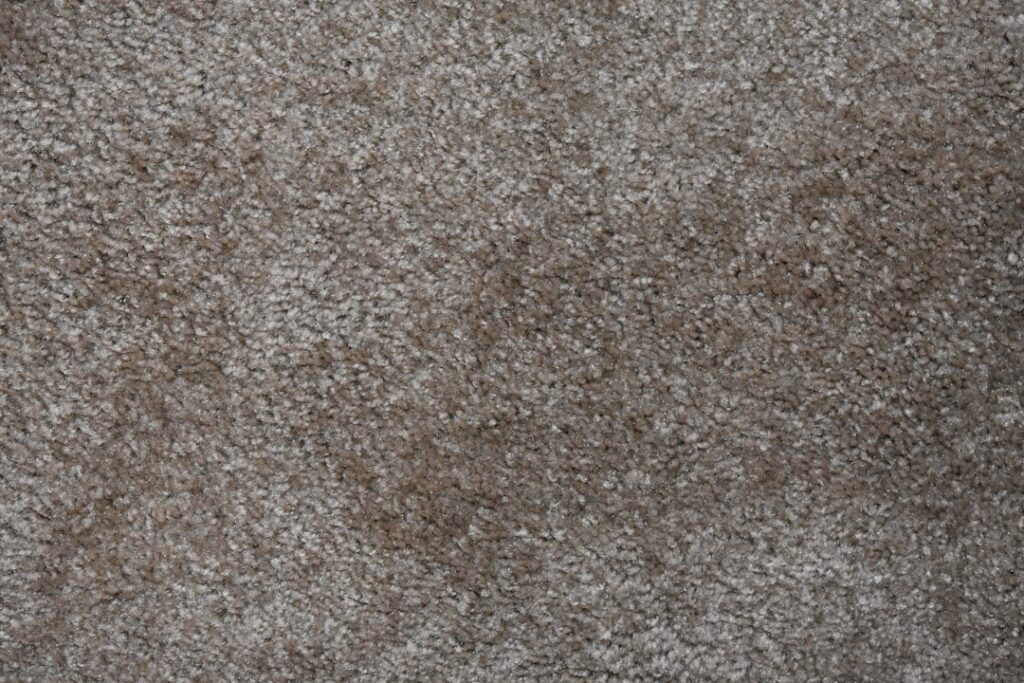
Color affects both mood and upkeep. Mid-tone, multi-flecked colors hide dirt and lint far better than solid dark or very light shades. A solid navy shows every crumb and pet hair; a tweedy tan practically cleans itself between vacuumings.
Think honestly about your household. Kids, pets, and light-colored carpet rarely mix. If you love a pale look, choose a stain-resistant triexta or a solution-dyed nylon, where the color goes all the way through the fiber and resists bleaching from cleaners.
Step 6: Set a Realistic Budget
Carpet pricing has more moving parts than the shelf tag shows. Budget for all of it:
- Carpet: $1.50 to $7 per square foot depending on fiber and quality.
- Pad: $0.30 to $1.20 per square foot.
- Installation: $0.50 to $1.50 per square foot, more for stairs.
- Extras: furniture moving, old carpet removal and haul-away, and floor prep.
For a 12-by-15-foot bedroom (180 square feet), a mid-grade installed job typically runs $700 to $1,400 all in. Get itemized quotes so you can compare apples to apples.
Matching Carpet to Specific Rooms
A quick reference for the choices above:
- Bedrooms: Soft polyester or triexta cut pile, plush for comfort.
- Living and family rooms: Dense nylon frieze or cut-and-loop that hides traffic.
- Stairs and halls: Tightly twisted nylon with a firm pad.
- Basements: Olefin or solution-dyed nylon with a moisture-resistant pad.
Order Samples Before You Commit
Never buy carpet off a tiny store swatch alone. Order or take home the largest samples you can and live with them for a few days. Lay them on the actual floor, in your own lighting, and look at them in both daylight and lamplight, because carpet color shifts dramatically between the two. Walk on them barefoot, set a chair on them, and if you have pets or kids, drop a little of real life on an inconspicuous corner to see how the fiber cleans. This simple step catches the color and texture mismatches that cause the most buyer’s remorse, and it costs you nothing but a few days.
Common Carpet-Buying Mistakes to Avoid
Even with the right steps, a few recurring errors trip up homeowners. The biggest is buying on softness alone: a plush, loosely constructed carpet feels wonderful in the showroom but mats down within a year, while a denser, higher-twist carpet that feels slightly firmer lasts far longer. Another is skipping the pad upgrade to save a few dollars, which shortens the carpet’s life and can void the warranty if the pad falls outside the specified thickness and density. Homeowners also routinely underestimate total cost by pricing only the carpet and forgetting pad, installation, old-carpet removal, and furniture moving, which together can add 40 to 60 percent to the material price. Finally, many people choose color from a small swatch under store lighting, then discover it reads completely different at home. Order full-size samples, live with them for a few days in both daylight and evening light, fold each sample to judge density, and get itemized written quotes before you commit.
Quick Questions to Ask Before You Buy
Run any candidate carpet through a short checklist and most bad choices eliminate themselves. Ask yourself these before you sign anything:
- How much traffic does this room really get? Be honest about pets, kids, and shoes, then match fiber and density accordingly.
- Can I see the backing when I fold the sample? If yes, the pile is too sparse for anything but a low-use room.
- Does the warranty dictate a specific pad? Confirm the required thickness and density before buying cushion.
- Will this color hide or highlight dirt? Mid-tone flecked shades forgive; solid dark and pale solids punish.
- Have I priced pad, installation, and removal, not just carpet? The full job runs well above the shelf tag.
If you can answer all five with confidence, you have done more homework than most buyers and are unlikely to regret the purchase.
Final Thoughts
Knowing how to choose the right carpet is really about being honest with yourself about how a room gets used, then letting fiber, pile, density, and pad follow from that. Order samples, bend them to check density, live with the color under your own lighting for a few days, and never cheap out on the cushion underneath. Follow these steps and you will buy carpet once instead of twice, with a floor that still looks and feels good long after an impulse purchase would have worn thin.