Knowing how to clean carpet at home properly is the difference between carpet that looks great for 15 years and carpet that looks worn and dingy after 5. I’ve spent over 30 years in the flooring industry, and the number one factor that determines carpet lifespan isn’t the fiber type or the price tag — it’s how well the homeowner maintains it. The good news is that effective home carpet cleaning doesn’t require expensive equipment or professional services for every session. This guide covers everything from daily vacuuming technique to deep cleaning methods, natural solutions, and a maintenance schedule that keeps your carpet looking its best year after year.
- Vacuuming Tips That Actually Matter
- Spot Cleaning Stains
- DIY Carpet Shampooing
- Carpet Cleaning Machine Rental
- Natural Cleaning Solutions
- Deep Cleaning Methods Compared
- Proper Drying Techniques
- Carpet Maintenance Schedule
- Common Mistakes to Avoid
- Frequently Asked Questions
- How often should you deep clean carpet at home?
- Can I use dish soap to clean carpet?
- Is it better to rent a carpet cleaner or hire a professional?
- Does baking soda damage carpet?
- How do I remove old, set-in stains from carpet?
- How do you get a musty smell out of carpet?
- Can you get mold out of carpet?
- How do you clean vomit from carpet?
- How do you clean a wool rug or wool carpet at home?
Vacuuming Tips That Actually Matter
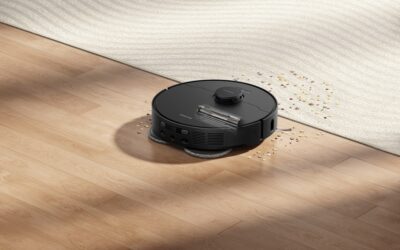
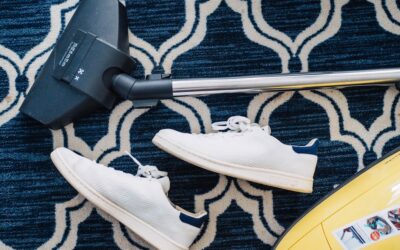
Vacuuming is responsible for roughly 80 percent of carpet cleanliness, yet most people do it too quickly, too infrequently, and with the wrong technique. Here’s how to vacuum like a professional:
Frequency: Vacuum high-traffic areas (hallways, entryways, living rooms) at least twice per week. Bedrooms and low-traffic rooms once per week is sufficient. Homes with pets or children should increase to three or four times per week in main living areas.
Speed and passes: Slow down. Most people vacuum at walking speed, which picks up only surface debris. Slow, deliberate passes allow the vacuum’s beater bar and suction to reach deep into the carpet pile. Make at least two passes in each direction — forward and back counts as one pass. For high-traffic areas, three to four passes per spot is ideal.
Overlapping strokes: Overlap each vacuum stroke by about 50 percent. This ensures full coverage and catches debris between rows.
Edge cleaning: Carpet edges along baseboards, under furniture skirts, and in corners trap significant debris. Use your vacuum’s crevice tool along edges at least once per week. If your vacuum has an edge-cleaning feature, use it on every pass.
Vacuum height adjustment: Set the vacuum height to match your carpet pile. Too high and the beater bar won’t contact the fibers. Too low and it creates excessive friction that wears carpet fibers and makes the vacuum hard to push. The correct setting allows the beater bar to barely contact the carpet tips.
Maintain your vacuum: Replace or wash filters monthly, check the belt every 3 months (replace if stretched or worn), and empty the bag or canister when it’s two-thirds full — suction drops significantly in a full vacuum.
Spot Cleaning Stains
The golden rule of spot cleaning: treat stains immediately. The longer a stain sits, the deeper it penetrates the fibers and the harder it is to remove. Here’s the universal spot-cleaning method that works on 90 percent of common stains:
- Blot, never rub. Press a clean white cloth or paper towel firmly onto the stain to absorb as much liquid as possible. Work from the outside edges toward the center to prevent spreading. Rubbing pushes the stain deeper into fibers and can damage the carpet pile.
- Apply cleaning solution. Use a carpet spot cleaner or the DIY solution below. Spray or dab the solution onto the stain — don’t flood the area.
- Let it dwell. Allow the cleaning solution to work for 3 to 5 minutes.
- Blot again. Use a clean section of cloth each time to avoid reapplying the stain.
- Rinse. Dampen a clean cloth with plain water and blot the area to remove cleaning residue. Residue left in the carpet attracts dirt and causes rapid resoiling.
- Dry. Place a stack of white paper towels over the spot, weight it with a heavy book, and leave for several hours. This wicks remaining moisture out of the carpet pad.
Stain-specific treatments:
- Coffee/tea: Blot, then apply a mix of 1 tablespoon white vinegar + 1 tablespoon dish soap + 2 cups warm water.
- Red wine: Blot immediately, then apply club soda or a paste of salt and white wine. Cover with salt to absorb for 15 minutes, then vacuum.
- Pet urine: Blot, apply enzymatic cleaner (like Nature’s Miracle), let dwell for 10 to 15 minutes, then blot and rinse. Enzymatic cleaners break down uric acid crystals that cause lingering odor.
- Blood: Use cold water only — hot water sets blood stains permanently. Apply hydrogen peroxide (3%) to stubborn blood stains, let fizz for 30 seconds, then blot.
- Grease/oil: Sprinkle baking soda on the stain, let sit for 15 minutes to absorb the oil, vacuum, then treat with dish soap solution.
- Ink: Dab with isopropyl alcohol on a cotton ball. Don’t pour alcohol directly on carpet — it can damage some fiber types.
DIY Carpet Shampooing
Between professional cleanings, DIY shampooing freshens carpet and removes accumulated grime. You don’t need a machine for basic shampooing — here’s the manual method:
DIY carpet shampoo recipe: Mix 2 tablespoons liquid dish soap, 2 tablespoons white vinegar, and 1 gallon of warm water. For deodorizing, add 1/4 cup baking soda to the mix (let it dissolve before applying).
Application: Dip a stiff-bristled brush or microfiber mop into the solution and scrub the carpet in sections, working the suds into the fibers. Don’t saturate the carpet — damp, not wet. Let the solution sit for 5 minutes, then go over the area with a clean damp cloth or mop to remove residue. Follow with dry towels to blot excess moisture.
This manual method works well for single rooms, traffic lanes, and spot-heavy areas. For whole-house cleaning, renting a machine is more practical and effective.
Commercial carpet shampoo alternative: Products like Resolve Carpet Cleaner, Folex Carpet Spot Remover, and Zep Premium Carpet Shampoo are pre-formulated and effective. Follow the label directions for dilution ratios and application methods. Folex, in particular, is a favorite among professional cleaners for its no-rinse formula that doesn’t leave sticky residue.
Carpet Cleaning Machine Rental
Renting a carpet cleaning machine is the most effective DIY deep-cleaning method and the closest you can get to professional results at home. Here’s what you need to know:
Where to rent: Home Depot, Lowe’s, grocery stores, and hardware stores rent carpet cleaning machines. Rug Doctor and Bissell Big Green are the most common rental brands.
Rental cost: $30 to $50 per 24-hour period, plus $10 to $25 for cleaning solution. Total cost for a typical home is $40 to $75 — roughly one-fifth the cost of professional cleaning.
How to use a rental machine effectively:
- Vacuum thoroughly first — the machine cleans, but it’s not designed to pick up loose debris.
- Pre-treat stains and high-traffic areas with spot cleaner 10 minutes before machine cleaning.
- Fill the machine with hot (not boiling) water and the recommended amount of cleaning solution. More soap is not better — excess soap leaves residue that attracts dirt.
- Make slow, overlapping passes. Press the spray trigger on the forward pass and release it on the return pass to extract as much water as possible.
- Make a final rinse pass with plain water (no soap) to remove any remaining cleaning solution from the carpet.
- Empty the dirty water tank frequently — you’ll be surprised how much grime comes out.
Rental machine limitations: Consumer-grade rental machines have less suction power and lower water temperature than professional truck-mounted systems. They clean well but extract less water, so drying time is longer. Compensate by making extra extraction passes (pulling water out without spraying more in).
Natural Cleaning Solutions
For homeowners who prefer chemical-free cleaning, these natural solutions handle most carpet cleaning tasks effectively:
Baking soda: The all-purpose carpet deodorizer and mild cleaner. Sprinkle liberally on carpet, let sit for 30 minutes to overnight, then vacuum thoroughly. Baking soda absorbs odors, lifts light stains, and freshens the carpet. Safe for all carpet types and around pets and children.
White vinegar solution: Mix equal parts white vinegar and water in a spray bottle. Effective on most food stains, coffee, and general dirt. The vinegar smell dissipates as it dries. Avoid on wool carpet — vinegar can damage natural fibers.
Hydrogen peroxide (3%): Effective on organic stains including blood, wine, and pet accidents. Test in an inconspicuous area first — hydrogen peroxide can lighten some carpet colors. Apply, let fizz for 60 seconds, then blot.
Club soda: Surprisingly effective on fresh wine, beer, and coffee stains. Pour a small amount on the stain, let fizz, then blot. The carbonation helps lift the stain from the fibers.
Salt: Absorbs wet stains when applied immediately. Pour salt generously over a fresh spill, let it absorb for 15 to 30 minutes, then vacuum. Works especially well on red wine and grease.
Essential oils for deodorizing: Add 10 to 15 drops of lavender, tea tree, or eucalyptus essential oil to your baking soda before sprinkling on carpet. Adds a pleasant natural fragrance during deodorizing. Tea tree oil also has antibacterial properties.
Deep Cleaning Methods Compared
When it’s time for a thorough deep clean, you have several options. Here’s how they compare:
Hot water extraction (steam cleaning): The method recommended by most carpet manufacturers and the one used by professional cleaners. Hot water and cleaning solution are injected into the carpet under pressure, then immediately extracted along with dissolved dirt. This is the most thorough method and the best at removing allergens, bacteria, and deep-seated grime. Available via rental machines (good) or professional truck-mounted systems (best).
Dry cleaning (encapsulation): A chemical compound is applied that encapsulates dirt particles into crystals as it dries. The crystals are then vacuumed away. Dries in 1 to 2 hours versus 6 to 12 hours for hot water extraction. Less effective at deep cleaning but excellent for maintenance cleaning between hot water extraction sessions.
Bonnet cleaning: A rotating pad soaked in cleaning solution is run over the carpet surface. Effective for surface-level cleaning in commercial settings but doesn’t clean deep into the pile. Not recommended as a primary residential cleaning method.
Shampooing: Traditional method using a rotary brush machine and foamy shampoo. Largely replaced by hot water extraction, which is more effective and leaves less residue. Still works for manual spot cleaning and budget maintenance.
My recommendation: use hot water extraction (professional or rental) once or twice per year, with dry encapsulation or DIY shampooing between those deep cleanings as needed.
Proper Drying Techniques
Drying carpet after cleaning is just as important as the cleaning itself. Carpet that stays wet too long develops mold, mildew, and musty odors. Here’s how to dry carpet quickly and safely:
Air circulation: Open windows on opposite sides of the room to create cross-ventilation. If weather doesn’t permit, run ceiling fans and portable fans aimed at the carpet surface. Moving air across the carpet dramatically accelerates drying.
HVAC system: Run your heating or air conditioning system with the fan set to “on” (not “auto”). This continuously circulates air through the home and pulls moisture out of the carpet.
Dehumidifier: In humid climates or during rainy weather, a dehumidifier in the cleaned room speeds drying and prevents moisture-related problems. Set it to 40 to 50 percent relative humidity.
Towel blotting: For heavily saturated areas, lay clean white towels on the carpet and walk on them to press moisture out. Replace with dry towels and repeat until minimal moisture transfers.
Expected drying times: Professional hot water extraction with truck-mounted equipment: 4 to 8 hours. Rental machine cleaning: 8 to 16 hours. DIY shampooing: 2 to 6 hours. These times assume reasonable ventilation — without airflow, drying can take 24 hours or more.
Do not walk on wet carpet with shoes — dirt embeds instantly into damp fibers. Wear clean socks or go barefoot until the carpet is fully dry.
Carpet Maintenance Schedule
Follow this schedule and your carpet will look great for its full expected lifespan:
Daily:
- Blot any spills immediately
- Remove shoes at the door (this alone reduces carpet soiling by 70 to 80 percent)
Twice weekly:
- Vacuum high-traffic areas with slow, overlapping passes
Weekly:
- Vacuum all carpeted areas including under furniture edges
- Vacuum carpet edges with crevice tool
- Treat any visible spots or stains
Monthly:
- Sprinkle baking soda on high-traffic areas, let sit 30 minutes, vacuum
- Move furniture slightly to vacuum areas normally hidden
Every 6 months:
- Deep clean high-traffic areas (DIY shampoo or rental machine)
- Clean and treat any persistent stains
Annually:
- Professional hot water extraction or full-house rental machine cleaning
- Apply carpet protector (Scotchgard or equivalent) after deep cleaning
- Inspect carpet for wear, ripples, or seam issues and address before they worsen
Common Mistakes to Avoid
These errors cause more carpet damage than years of normal wear:
- Over-wetting: Saturating carpet during cleaning leads to mold, mildew, and backing delamination. Use the minimum amount of water needed and extract thoroughly.
- Using too much soap: Excess detergent remains in the carpet and acts as a dirt magnet, making carpet look dirty faster after cleaning. Less soap + more rinsing = better results.
- Rubbing stains: Rubbing spreads stains laterally and drives them deeper into fibers. Always blot with a pressing motion.
- Using colored towels for blotting: Dye from colored towels can transfer to wet carpet. Always use white cloths or paper towels for stain treatment.
- Skipping the rinse: Whether using commercial products or DIY solutions, always rinse treated areas with clean water to remove cleaning residue.
- Ignoring the pad: If liquid soaks through to the carpet pad (especially pet urine), treating only the carpet surface won’t remove the odor. Treat or replace the affected pad section.
- Waiting too long between deep cleanings: Dirt that accumulates in the carpet base abrades fibers from below, causing premature wear. Annual deep cleaning prevents this invisible damage.
Frequently Asked Questions
How often should you deep clean carpet at home?
Deep clean carpet at home every 12 to 18 months for average households, or every 6 to 12 months for homes with pets, children, or allergy sufferers. High-traffic areas like living rooms and hallways benefit from an additional spot deep cleaning at the 6-month mark. Most carpet manufacturers require professional or thorough deep cleaning at least once per year to maintain warranty coverage.
Can I use dish soap to clean carpet?
A small amount of clear liquid dish soap diluted in water works well for spot cleaning and light shampooing. Use 1 to 2 tablespoons per gallon of water. The key is using very little — dish soap is concentrated and leaves residue if over-applied. Always rinse the area with clean water after using dish soap. Avoid colored or heavily fragranced dish soaps that may stain or leave residue.
Is it better to rent a carpet cleaner or hire a professional?
Professional cleaning is more thorough — truck-mounted equipment provides hotter water, stronger suction, and faster drying. However, rental machines at $40 to $75 deliver 70 to 80 percent of the results at 20 to 30 percent of the professional cost ($200 to $400 for a typical home). My recommendation: alternate between professional cleaning one year and rental machine the next. Homes with pets or heavy soiling benefit from annual professional service.
Does baking soda damage carpet?
No, baking soda does not damage carpet fibers. It’s pH-neutral, non-toxic, and safe for all carpet types including wool. The only concern is thorough vacuuming after use — baking soda that remains in the carpet base can potentially clog vacuum filters over time or create a slightly gritty feel. Vacuum thoroughly with multiple passes after any baking soda treatment, and clean your vacuum filter afterward.
How do I remove old, set-in stains from carpet?
Old stains require more aggressive treatment. Start with a hydrogen peroxide solution (mix 1 part 3% hydrogen peroxide with 5 parts water) applied to the stain. Let it dwell for 30 minutes, then blot. For stubborn stains, try an oxygen-based cleaner like OxiClean dissolved in warm water — apply, cover with plastic wrap to keep it moist, let sit for 1 to 2 hours, then blot and rinse. If the stain persists, a professional cleaner with specialized spotting solutions is your best bet before considering the stain permanent.
How do you get a musty smell out of carpet?
Dry the carpet completely, then deodorize it with baking soda. Musty odor means moisture is trapped in the carpet or pad, so run fans and a dehumidifier first, then sprinkle baking soda, leave it overnight, and vacuum slowly. If the smell returns after the carpet is dry, the pad or subfloor underneath is likely damp or moldy and needs to be inspected and replaced.
Can you get mold out of carpet?
Only small, surface-level patches on carpet that dried quickly are worth cleaning. Wear gloves and a mask, scrub the area with a carpet-safe cleaner, rinse lightly, and dry it fully within 24 hours. If the mold covers more than about 10 square feet, has reached the pad, or followed flooding, remove the affected carpet and pad or call a mold remediation professional.
How do you clean vomit from carpet?
Scrape up solids with a spoon or dustpan, then blot the liquid with white paper towels. Sprinkle baking soda over the area for 15 minutes to absorb moisture and odor, vacuum it up, then apply an enzymatic cleaner and let it dwell before blotting. Finish with a plain water rinse and a weighted towel to wick out the remaining moisture.
How do you clean a wool rug or wool carpet at home?
Use cool water and a cleaner labeled wool-safe, and keep the fibers damp rather than wet. Wool is sensitive to heat, high-alkaline detergents, and the vinegar solutions used on synthetic carpet, which can damage or shrink the fibers. Vacuum regularly, blot spills right away, and book a professional cleaner experienced with wool for deep cleaning.