
A wedding-gift crystal goblet that comes out of the dishwasher with a milky haze is enough to make anyone curse modern detergent. The good news is that most cloudiness is mineral film that lifts off in 10 minutes with the right approach. Understanding how to clean cloudy glass starts with identifying which of three problems you actually have, since the fix differs dramatically. After restoring hundreds of glasses for clients prepping homes for sale, I can usually diagnose the cause within 30 seconds of holding the glass to a window.
Identify the Cause First
Cloudy glass falls into three categories, hard water mineral film, soap and detergent residue, or permanent etching. The first two reverse easily. The third does not.
- Mineral film, wipes off with vinegar or citric acid in under 10 minutes
- Soap residue, rinses clean with hot water and a fresh wash
- Etching, microscopic damage that no cleaner removes
Quick test, run the glass under hot water and rub it with your thumb. If the cloudiness fades when wet and returns when dry, it is mineral film. If it stays cloudy under any condition, it is etching.


The Vinegar Soak Method
For mineral film, distilled white vinegar is the most reliable fix. Fill a sink or basin with equal parts hot water and vinegar. Submerge the glasses fully and let them sit for 15 to 30 minutes. The acid dissolves the calcium carbonate film. Pull each glass, scrub gently with a soft sponge, and rinse with hot water. Dry immediately with a microfiber cloth to prevent new water spots.
For severely cloudy glasses, use undiluted vinegar and increase soak time to an hour. Heat the vinegar to about 130 degrees F first by warming the bottle in hot tap water for faster action.
Citric Acid Powder
Citric acid works faster than vinegar without the smell. Mix 2 tablespoons of citric acid powder, available in the canning aisle for around 6 dollars per pound, into a quart of hot water. Soak glasses 10 to 15 minutes, scrub, and rinse. The result is often clearer than vinegar on stubborn films, and the residue rinses fully clean. Citric acid is the professional choice for high volume cleaning.
Toothpaste for Spot Treatment
Non-gel white toothpaste contains a mild abrasive that lifts hard water spots from individual problem areas. Apply a pea-sized amount to a soft cloth, rub the cloudy area in small circles, then rinse. This works particularly well on the bottom inside of vases where soaking is awkward. Skip whitening toothpastes with stronger abrasives, which can scratch the glass.
Denture Tablets in Vases
For tall narrow vases where a brush will not reach, drop two denture tablets in and fill with warm water. Let it fizz for 30 to 60 minutes. The effervescent action loosens mineral buildup without scrubbing. Rinse thoroughly. The same trick works for thermos bottles and water carafes.
Dishwasher Haze Specifically
If your dishwasher is producing cloudy glass on every load, the underlying problem is one of three things.
- Hard water with no rinse aid, install rinse aid and refill regularly
- Detergent overdose creating residue, switch to single-dose pods
- Water temperature too low, set water heater to 120 degrees F
Run an empty cycle with 1 cup of vinegar in a top-rack glass bowl monthly to descale the dishwasher. This prevents new mineral buildup on dishes going forward.
Etching Cannot Be Reversed
If the cloudiness does not change between wet and dry, the glass is permanently etched. Etching happens when soft water and aggressive detergent strip the glass surface itself, creating microscopic pits that scatter light. Soft water, alkaline detergent, and high temperatures together accelerate the damage. The only fix is replacement.
To prevent etching, hand-wash crystal and fine glassware. Skip the dishwasher entirely for anything you care about, or at minimum use the lowest temperature cycle with rinse aid and minimal detergent.
Crystal Decanter Cleaning
Wine decanters develop tannin staining and mineral buildup that scrubbing cannot reach. Fill the decanter with warm water and add 2 tablespoons of uncooked rice and a tablespoon of dish soap. Swirl vigorously for two minutes. The rice acts as a gentle abrasive that scours the inside without scratching. Rinse with hot water and air dry inverted on a decanter rack.
Window Cloudiness
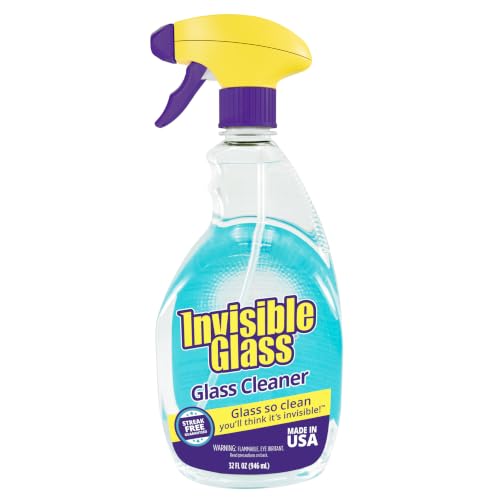
For windows with hard water spotting from sprinklers or storm splash, a glass-restoration product like Bar Keepers Friend Cleanser, applied with a damp soft sponge in light circles, removes mineral deposits effectively. Test on an inconspicuous spot first. Polish off with a microfiber cloth and standard glass cleaner.
If the cloudiness is between the panes of a double-pane window, the seal has failed and no surface cleaning will help. That requires IGU replacement, a different problem entirely.
Preventive Habits
Once you know how to clean cloudy glass, prevention saves repeat work. Hand-wash fine glassware in hot soapy water and dry immediately with a lint-free cloth. Use rinse aid in every dishwasher load. If your home has water harder than 10 grains per gallon, install a water softener or use a dishwasher additive like Glass Magic. Store glassware upside down on shelf liners rather than on bare wood, which can leave water marks if humidity fluctuates.
When to Replace Versus Restore
For everyday glassware, replacement at 2 to 5 dollars per glass beats hours of scrubbing if more than half the set is etched. For heirloom crystal or vintage glassware that cannot be replaced, professional glass restoration services exist for 15 to 40 dollars per piece, though results vary. Prevention is far cheaper than either route, and a 4 dollar bottle of rinse aid plus a quart of vinegar covers a year of clear glassware for most households.