Most homeowners ruin fabric chairs by either ignoring them for years or attacking them with the wrong cleaner. Knowing how to clean fabric chairs safely starts with reading the manufacturer code label and choosing a method matched to the fabric type. A linen wingback survives a careful steam clean while a velvet accent chair gets ruined by water alone. This guide breaks down the process by fabric, by stain type, and by tool, so you can refresh seating that looks 10 years old without paying a professional cleaner $200 a chair.
Read the Cleaning Code First
Every piece of upholstered furniture sold in the US since 1969 includes a manufacturer cleaning code on a tag, usually under the cushion or on the bottom of the frame. The four codes are:
- W: Water-based cleaners only. Most synthetic fabrics fall here.
- S: Solvent-based cleaners only. No water. Used for silk, velvet, and some natural fibers.
- WS or SW: Either water or solvent works. Most modern fabrics qualify.
- X: Vacuum or brush only. No liquid cleaning of any kind.
Using the wrong type of cleaner causes water rings, color bleeding, fiber distortion, and shrinkage. When in doubt, treat the chair as code S (solvent only) until you confirm otherwise.
Tools You Need Before Starting
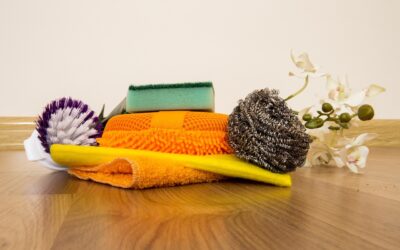
Before any cleaning, gather the basics. A vacuum with an upholstery brush attachment is non-negotiable — it lifts loose dirt that would otherwise turn into mud when wet. White microfiber cloths prevent color transfer that colored cloths can cause. A spray bottle with distilled water (not tap, which contains minerals that can leave rings) handles spot tests and rinsing.
For deeper cleaning, add a soft-bristle upholstery brush, a few clean towels, and either an upholstery cleaner spray (for code W or WS) or a dry-cleaning solvent like K2r or Pine-Sol Steam Mop Solution (for code S). A handheld steam cleaner like the Bissell Powerfresh Slim adds a powerful option for code W and WS fabrics.
Step-by-Step for Code W and WS Fabrics
Most modern polyester, microfiber, and cotton-blend chairs fall in the W or WS category. Follow this sequence:
First, vacuum the entire chair using the upholstery brush attachment. Pay attention to seams, crevices, and the underside of cushions. Remove all loose debris before introducing any moisture.
Second, spot-test your cleaner on a hidden area like the bottom of the chair or behind a cushion. Apply a small amount, wait 10 minutes, and check for color change, water rings, or texture damage.
Third, mix a cleaning solution. For light cleaning, combine 1 cup distilled water with 1/4 teaspoon mild dish soap (Dawn Free and Clear works well). For tougher dirt, use a commercial upholstery cleaner like Folex or Bissell Pro Max.
Fourth, work in small sections. Spray lightly, agitate with a soft brush in circular motions, then blot with a clean white towel. Never rub aggressively — agitation should lift dirt from the fibers, not push it deeper.
Fifth, rinse with a damp cloth and distilled water to remove cleaner residue. Cleaner residue attracts dirt faster than dirt itself, so this step matters.
Finally, dry the chair completely with airflow from a fan or open windows. Drying typically takes 4 to 8 hours.
Step-by-Step for Code S Fabrics
Velvet, silk, wool, and rayon often carry the S code. Water alone can damage these fibers. Use a dry-cleaning solvent applied with a clean white cloth.
Vacuum thoroughly first. Pour a small amount of solvent on a clean cloth and work into the stained area in light circular motions. Blot with a second clean cloth to lift the loosened dirt. Always work in a well-ventilated area and never apply solvent directly to the fabric.
For all-over cleaning, hire a professional. Code S deep cleaning at home almost always damages the fabric eventually.
Tackling Specific Stains
Different stains demand different treatments. Use the chart below as a starting point:
- Coffee or tea: Cold water, mild dish soap, blot only.
- Red wine: Salt or baking soda immediately to absorb, then dab with hydrogen peroxide on white fabric only.
- Blood: Cold water with a teaspoon of salt. Never hot — heat sets blood permanently.
- Grease or oil: Sprinkle cornstarch, let sit 30 minutes, vacuum, then treat with solvent.
- Pet urine: Enzymatic cleaner like Nature’s Miracle. Soaks in and breaks down the proteins.
- Ink: Rubbing alcohol on a cotton swab, dab gently. Test first.
- Wax: Freeze with an ice pack until brittle, scrape off with a credit card, treat residue with solvent.
The single most important rule: blot, never rub. Rubbing pushes the stain deeper into the fibers and spreads it outward.
Steam Cleaning Done Right
Steam cleaners refresh code W and WS fabrics dramatically without chemical residue. Use a handheld unit with an upholstery attachment. Work in 12-inch sections, holding the steamer 1 to 2 inches from the fabric. Never let the steamer sit in one spot for more than a few seconds — the heat can scorch synthetic fibers.
Follow the steam pass with a clean towel pressed firmly into the fabric to absorb the dirt-laden moisture. Allow 4 to 8 hours of drying time afterward, ideally with a fan running.
Removing Odors
For general musty smells, sprinkle baking soda liberally across the chair, let sit 30 minutes to overnight, then vacuum. This works on all fabric codes including X. For tougher odors like pet smells or smoke, use an enzymatic cleaner formulated for upholstery, applied per the cleaner’s instructions.
Activated charcoal pouches placed on or under the chair for 24 to 48 hours absorb residual odors without any chemicals. Each $15 pouch covers about 50 cubic feet.
Preventive Care That Saves Hours
Regular maintenance keeps fabric chairs looking new for years. Vacuum upholstery weekly with the brush attachment. Rotate seat cushions monthly to even out wear. Apply a fabric protectant like Scotchgard or Vectra Spot Protector once a year — it dramatically reduces the chance that future spills become permanent stains.
Keep chairs out of direct sunlight when possible. UV exposure fades natural fibers in 6 to 12 months and synthetic fibers in 2 to 3 years.
When to Call a Professional
Some situations demand a pro. Antique upholstery, valuable silk or wool pieces, large all-over stains, and any chair coded X should be handled by a certified upholstery cleaner. Expect to pay $80 to $200 per chair for professional cleaning, more for delicate fabrics or extreme staining.
FAQ
Can I use carpet cleaner on fabric chairs?
Only if the chair is coded W or WS and the carpet cleaner is labeled safe for upholstery. Many carpet products contain agents that damage fabric.
What is the safest homemade fabric chair cleaner?
1 cup distilled water mixed with 1/4 teaspoon mild dish soap. Spot-test first and apply lightly to avoid oversaturation.
How often should fabric chairs be deep cleaned?
Once a year for normal use, every 6 months for high-traffic chairs or homes with pets and kids. Spot clean spills immediately.
Can you steam clean any fabric chair?
No. Steam works on code W and WS fabrics. Code S and X fabrics can be damaged by steam and water exposure.