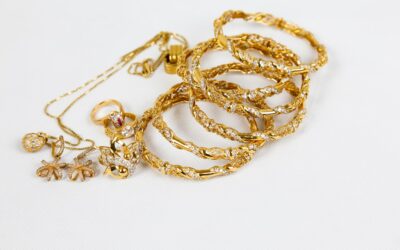
Gold plated jewelry looks identical to solid gold when new — but the thin gold layer (0.5-2.5 microns thick) is vulnerable to chemicals, abrasion, and moisture that solid gold shrugs off. Knowing how to clean gold plated jewelry without stripping the plating extends its lifespan from months to years. The rules are simple: no harsh chemicals, no abrasive materials, no soaking, and dry completely after every cleaning. Here is the safe method and the common mistakes that destroy gold plating fast.
The Safe Cleaning Method
- Mix a few drops of mild dish soap (Dawn or similar) in a bowl of lukewarm water — not hot, as heat can loosen some plating adhesion
- Dip a very soft cloth (microfiber or cotton flannel) in the soapy water. Wring out most of the moisture — the cloth should be damp, not dripping
- Gently wipe the jewelry piece, using light pressure in the direction of the surface rather than scrubbing back and forth. Focus on areas where oil, lotion, and skin contact are heaviest — the back of pendants, the inside of rings, and clasp areas
- Rinse by wiping with a second cloth dampened with plain water to remove soap residue
- Dry immediately and completely with a clean, dry soft cloth. Trapped moisture is gold plating’s worst enemy — water left in crevices and around stones accelerates oxidation of the base metal beneath the gold layer, causing dark spots and green discoloration
This method handles 95% of routine cleaning needs. Perform it after wearing the jewelry, especially on pieces exposed to sweat, sunscreen, or perfume during the day.
What to NEVER Use on Gold Plated Jewelry
- Jewelry cleaning dips (Connoisseurs, Hagerty): Formulated for solid gold and silver. The chemical solutions strip gold plating within seconds. Never dip gold plated pieces in any jewelry cleaning solution
- Ultrasonic cleaners: The vibrations can separate the gold plating from the base metal. Suitable for solid gold only
- Toothpaste: Despite popular advice, toothpaste is abrasive and scratches the thin gold layer, accelerating wear-through
- Rubbing alcohol and acetone: Both dissolve the adhesion between the gold layer and the base metal
- Baking soda: The mild abrasion that works well on solid gold is too aggressive for plated surfaces, which are measured in microns of thickness
- Polishing cloths designed for solid gold or silver: These cloths contain micro-abrasives that polish by removing a tiny surface layer — fine for solid gold but catastrophic for plating
Removing Tarnish from Gold Plated Jewelry
When the base metal beneath the plating begins to tarnish (visible as dark spots, green discoloration, or dull patches), the plating has worn through in those areas. No cleaning method can restore the gold layer once it has worn away — the tarnish is the exposed base metal (usually brass or copper) oxidizing.
For light tarnish on areas where plating is still intact, the soapy water method is sufficient. For pieces with significant wear-through, a professional jeweler can re-plate the item for $25-$75 depending on the size and complexity. Re-plating applies a fresh gold layer over the entire piece, restoring it to like-new condition. Consider re-plating for sentimental or frequently worn pieces rather than replacing them.
Extending Gold Plating Lifespan
Gold plated jewelry lasts 1-5 years depending on wear frequency, plating thickness, and care. Follow these practices to maximize lifespan:
- Put jewelry on last: Apply perfume, hairspray, lotion, and sunscreen before putting on gold plated jewelry. These products contain chemicals that attack the gold layer on contact
- Remove before water activities: Swimming (chlorine destroys plating), showering (soap and heat), dishwashing (detergent), and exercising (sweat contains salt and acids) all accelerate plating wear
- Store properly: Keep each piece in a separate soft pouch or compartment. Gold plated jewelry rubbing against other jewelry scratches the plating. Anti-tarnish strips ($5 for a 10-pack) in the storage container slow oxidation of exposed base metal
- Wipe after wearing: A quick 10-second wipe with a soft dry cloth after removing jewelry removes skin oils and moisture before they have time to affect the plating
- Choose thicker plating: When purchasing, look for “heavy gold plated” (2.5 microns+) or gold vermeil (2.5 microns of gold over sterling silver). Thicker plating lasts 3-5× longer than standard plating (0.5 microns)
Gold Plated vs. Gold Filled vs. Solid Gold
Understanding the differences helps you set realistic care expectations:
- Gold plated: 0.5-2.5 micron gold layer over base metal. Affordable ($10-$50). Lasts 1-5 years with care. Most affordable entry to gold-look jewelry
- Gold filled: Thick gold layer (5% of total weight) mechanically bonded to base metal. $30-$150. Lasts 10-30 years. Can be gently cleaned like solid gold. Excellent value
- Solid gold (10K-18K): Gold throughout. $100-$5,000+. Lasts a lifetime. Handles any cleaning method. The ultimate investment
If you find yourself frequently replacing worn-out gold plated pieces, upgrading to gold filled jewelry for your everyday items saves money long-term while providing the same gold appearance with dramatically better durability. Reserve gold plated pieces for occasional wear and trend-driven styles where longevity is less important than affordability.