Knowing how to clean vinyl plank flooring correctly keeps it looking new for years — while the wrong approach can cause discoloration, warping, and premature wear. Vinyl plank is one of the lowest-maintenance flooring options available, but “low maintenance” does not mean “no maintenance.” The right routine protects your investment; common mistakes silently damage it.
- Daily Cleaning Routine
- Weekly Damp Mopping
- Monthly Deep Cleaning
- Best Cleaning Products for Vinyl Plank
- What to Avoid on Vinyl Plank Flooring
- The Steam Mop Debate: Why the Answer Is No
- Scratch Prevention Tips
- Fixing Discoloration & Stains
- Maintaining Shine
- Frequently Asked Questions
- Can I use a steam mop on vinyl plank flooring?
- What is the best mop for vinyl plank floors?
- Can I use vinegar to clean vinyl plank floors?
- How do I get scuff marks off vinyl plank flooring?
- Why is my vinyl plank flooring turning yellow?
- How often should I clean vinyl plank flooring?
- Can I use Swiffer WetJet on vinyl plank?
This guide covers everything from daily dust-up to monthly deep cleaning, the best (and worst) products to use, whether you can use a steam mop (spoiler: no), how to prevent scratches, and how to fix discoloration when it happens.
Daily Cleaning Routine
The most effective thing you can do to maintain vinyl plank flooring is remove loose grit and debris every day. Dirt particles act like fine sandpaper under foot traffic, gradually scratching the wear layer and dulling the surface. A quick 2-minute sweep prevents this damage entirely.
Microfiber dust mop: The best daily tool. Microfiber pads attract and trap dust, pet hair, and fine grit without scratching. Use a flat mop with a large head (18 to 24 inches) for fast coverage.
Soft-bristle broom: Works well for quick pickups in kitchens and entryways. Avoid stiff-bristle brooms that can micro-scratch vinyl’s wear layer over time.
Vacuum (hard-floor setting): Effective for homes with pets. Use a vacuum with the beater bar turned off or a hard-floor-specific attachment. Spinning beater bars can scratch vinyl and, on thinner products, even damage the surface texture.
Focus daily cleaning on entryways, kitchens, and hallways. Bedrooms and living rooms can often go 2 to 3 days between sweeps unless you have pets.
Weekly Damp Mopping
Damp mopping once per week removes the sticky residue, light stains, and body oils that dry sweeping cannot. The technique matters — vinyl plank is waterproof on the surface, but excess water can seep between plank joints and weaken the click-lock connections or reach the subfloor.
Step 1: Sweep or vacuum first. Never damp mop over loose grit.
Step 2: Spray a vinyl-safe floor cleaner lightly onto a 4-by-6-foot section. Alternatively, use a spray mop with a built-in reservoir filled with diluted cleaner.
Step 3: Mop with a damp (not wet) microfiber pad. The mop should be moist enough to clean but not dripping. You should not see standing water on the floor behind the mop.
Step 4: Work in sections, rinsing or replacing the microfiber pad when it gets dirty. A dirty pad just redistributes grime.
Step 5: Let the floor air dry (takes 1 to 2 minutes with proper dampness). No need to towel-dry if you used the right amount of moisture.
For a detailed comparison of cleaning tools, see our guide to cleaning luxury vinyl plank flooring.
Monthly Deep Cleaning
Once a month, go beyond routine mopping to address buildup, textured-grain grime, and areas that get skipped during quick weekly cleans.
Use a concentrated vinyl floor cleaner. Dilute according to the label (more concentrated than weekly use). Apply with a microfiber mop and let the solution sit for 1 to 2 minutes before mopping it up. The dwell time allows the cleaner to break down embedded grime.
Address problem areas:
- Kitchen grease buildup: Apply a small amount of dish soap (1 to 2 drops) mixed with warm water on a cloth. Wipe the greasy area, then clean with your regular floor cleaner.
- Scuff marks: Rub gently with a tennis ball, a pencil eraser, or a damp melamine sponge (Magic Eraser). Test in an inconspicuous area first — melamine sponges are mildly abrasive.
- Textured plank grooves: Use a soft-bristle brush (old toothbrush works) with floor cleaner for vinyl planks with deep wood-grain texture where dirt embeds in the grooves.
Move lightweight furniture and area rugs to clean beneath them. Dust and grime accumulate under furniture and can cause discoloration over time if left unchecked.
Best Cleaning Products for Vinyl Plank
| Product | Type | Best For | Price (approx.) |
|---|---|---|---|
| Bona Hard-Surface Floor Cleaner | pH-neutral spray | Daily/weekly cleaning | $8 – $12 / 36 oz |
| Zep Neutral pH Floor Cleaner | Concentrate | Weekly/monthly cleaning | $10 – $14 / gallon |
| Method Squirt + Mop Hard Floor Cleaner | Plant-based spray | Quick daily cleaning | $5 – $7 / 25 oz |
| Rejuvenate Luxury Vinyl Floor Cleaner | No-rinse spray | Weekly streak-free cleaning | $7 – $10 / 32 oz |
| Better Life Floor Cleaner | Plant-based, no-rinse | Eco-friendly daily use | $8 – $11 / 32 oz |
Bona Hard-Surface Cleaner is the safest all-around choice — it is pH-neutral, rinse-free, and recommended by multiple LVP manufacturers. For budget-conscious cleaning, a few drops of dish soap in warm water works well for weekly mopping, though a dedicated vinyl cleaner delivers better streak-free results.
What to Avoid on Vinyl Plank Flooring
| Product/Method | Why It Harms Vinyl |
|---|---|
| Steam mops | Heat and moisture warp planks, weaken adhesive and click locks |
| Abrasive cleaners (Comet, Ajax) | Scratch the wear layer, dulling the surface permanently |
| Acetone / nail polish remover | Dissolves the vinyl print layer and wear layer |
| Bleach (undiluted) | Discolors vinyl and damages the wear layer |
| Ammonia-based cleaners (Windex) | Strips the protective wear layer over time |
| Rubber-backed rugs | Trap moisture and cause yellow/brown discoloration |
| Steel wool or abrasive pads | Permanently scratch the surface |
| Excessive water | Seeps into joints, weakens click locks, promotes mold beneath planks |
The Steam Mop Debate: Why the Answer Is No
Steam mops are marketed as chemical-free cleaning solutions, and many homeowners assume they are safe for all hard floors. They are not safe for vinyl plank flooring. Every major vinyl plank manufacturer — including COREtec, Shaw, Mohawk, and LifeProof — explicitly warns against steam mop use in their care guides.
Why steam damages vinyl plank:
- Heat warps vinyl. Steam reaches 200°F+. Vinyl plank is designed to stay stable at normal room temperatures. Concentrated heat from a steam mop can cause planks to expand, buckle, or warp — sometimes in ways that are not immediately visible but worsen over time.
- Moisture penetrates joints. Steam is water under pressure. It forces moisture into the seams between click-lock planks, reaching the core and the subfloor. This can lead to swelling, mold growth, and click-lock failure.
- Voids your warranty. Using a steam mop on vinyl plank flooring voids most manufacturer warranties. If you experience a flooring issue and the manufacturer determines steam mop use, your claim will be denied.
Use a microfiber spray mop with a vinyl-safe cleaner instead. It cleans just as effectively without the heat or excess moisture.
Scratch Prevention Tips
Vinyl plank’s wear layer resists scratches well, but it is not scratchproof. Prevention is far easier than repair.
Felt pads on all furniture legs. Apply adhesive felt pads to the bottom of every chair, table, sofa, and bed leg. Replace them every 6 to 12 months — they wear thin and collect grit that scratches the floor.
Entry mats at every door. Place rough-textured mats outside and soft mats inside at every exterior door. The outside mat removes large debris; the inside mat captures fine grit. This two-mat system is the single most effective scratch prevention strategy.
No-shoes policy. Outdoor shoes — especially those with hard soles, embedded gravel, or worn heels — are the primary source of surface scratches. Socks, slippers, or indoor-only shoes protect the floor dramatically.
Trim pet nails. Long nails concentrate pressure on tiny points. Keep dog and cat nails trimmed to minimize scratching, especially on lower-quality vinyl with thinner wear layers.
Use wide, soft-wheeled casters on office chairs. Standard hard-plastic casters concentrate pressure and grind grit into the floor. Replace them with wide, soft-rubber rollerblade-style casters, or use a chair mat.
Lift, do not drag. Never slide heavy furniture across vinyl plank. Lift it, or place it on furniture sliders during rearranging.
Fixing Discoloration & Stains
Yellow or brown marks under rugs: This is caused by rubber-backed rugs or mats reacting with the vinyl’s plasticizers. Prevention is the only real solution — use rugs with breathable, non-rubber backing (felt, woven fabric, or PVC-safe rug pads). Existing discoloration may fade slightly with UV exposure but is often permanent.
Dull, hazy appearance: Usually caused by residue buildup from the wrong cleaning products. Strip the residue with a solution of 1 cup white vinegar in 1 gallon of warm water (a one-time reset, not a regular cleaner). Mop, rinse with clean water, dry thoroughly, and switch to a pH-neutral vinyl cleaner going forward.
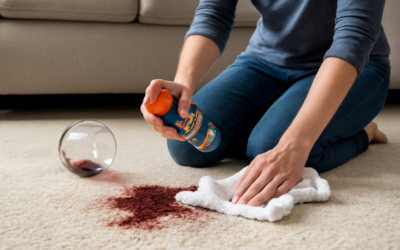
Stubborn stains (ink, marker, wine): Apply rubbing alcohol (isopropyl alcohol) on a soft cloth. Dab the stain gently — do not rub aggressively. Rinse the area with water and dry. For set-in stains, let the alcohol sit for 2 to 3 minutes before wiping.
Scuff marks from shoes: A tennis ball, pencil eraser, or damp melamine sponge removes most scuffs. For dark scuffs, apply a small amount of baking soda paste, rub gently, and wipe clean.
Maintaining Shine
Vinyl plank floors can lose their original luster over time, especially in high-traffic areas. Here is how to maintain that like-new sheen.
Regular cleaning is the foundation. Most loss of shine comes from micro-scratch accumulation and residue buildup. Consistent daily sweeping and weekly mopping with the right products prevents the gradual dulling that makes floors look tired.
Do not wax vinyl plank floors. Unlike hardwood, vinyl does not benefit from wax or polish. These products build up on the surface, attract dirt, and create a cloudy film. If someone has previously waxed your vinyl floor, strip the wax with a vinyl-safe wax remover.
Rinse-free cleaners help. Products designed specifically for vinyl (like Bona Hard-Surface or Rejuvenate) dry streak-free and do not leave residue that dulls the surface. Avoid multi-surface cleaners that leave a film.
Apple cider vinegar rinse (occasional use). If your floor looks dull despite proper cleaning, a very dilute ACV rinse (1 cup per gallon of water, used once, followed by a clean-water rinse) can remove residue buildup and restore clarity. Do not use this regularly — it is a one-time reset when needed.
Frequently Asked Questions
Can I use a steam mop on vinyl plank flooring?
No. Steam mops expose vinyl to excessive heat (200°F+) and force moisture into plank joints. This causes warping, swelling, click-lock failure, and voids your manufacturer warranty. Use a microfiber spray mop with a pH-neutral cleaner instead.
What is the best mop for vinyl plank floors?
A flat spray mop with a reusable microfiber pad is ideal. It controls moisture precisely, applies cleaner evenly, and the microfiber pad traps dirt rather than pushing it around. Avoid string mops and sponge mops — they hold too much water.
Can I use vinegar to clean vinyl plank floors?
Very diluted white vinegar (1 cup per gallon) can be used as an occasional deep-clean reset to remove product buildup. However, it should not be your regular cleaner — frequent vinegar use can dull the wear layer over time. A pH-neutral vinyl floor cleaner is the better daily and weekly choice.
How do I get scuff marks off vinyl plank flooring?
Rub the scuff gently with a clean tennis ball, a pencil eraser, or a barely damp melamine sponge (Magic Eraser). For stubborn scuffs, apply a small amount of baking soda paste, rub gently in a circular motion, wipe clean, and dry.
Why is my vinyl plank flooring turning yellow?
The most common cause is rubber-backed mats or rugs. Chemicals in rubber react with vinyl’s plasticizers and cause permanent yellow or brown discoloration. Replace rubber-backed rugs with ones that have breathable, non-rubber backing. Other causes include direct sunlight exposure and chemical cleaner residue.
How often should I clean vinyl plank flooring?
Sweep or dust mop daily (or every 2 to 3 days in low-traffic rooms). Damp mop weekly. Deep clean monthly. This schedule keeps the floor looking new while preventing the grit accumulation that causes scratches and dulling.
Can I use Swiffer WetJet on vinyl plank?
The Swiffer WetJet solution is generally safe for vinyl plank floors. However, some formulas can leave a residue that dulls the surface over time. Dry Swiffer pads are always safe for daily sweeping. For wet cleaning, a dedicated vinyl floor cleaner with a spray mop gives better streak-free results.
Prefer to explore on your own?
See how new flooring looks in your actual room in seconds — free, no signup.
Try the free Floor Studio →