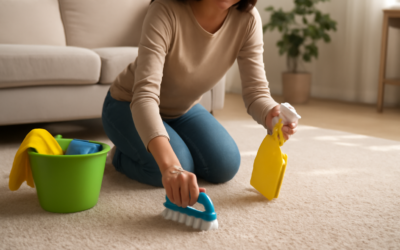
Nothing shows dirt faster than a pale floor, which is why learning how to clean white carpet takes a little more discipline than maintaining a mid-tone Berber. A single dropped coffee mug, muddy paw print, or spilled glass of red wine reads as a glaring flaw against a bright field. The good news is that white and off-white fibers respond beautifully to routine care when you attack problems early, use the right cleaning agents, and avoid the shortcuts that leave rings or yellow halos. Below is a field-tested playbook that covers everyday upkeep, spot treatment, deep extraction, and the long-term habits that keep the pile looking showroom-fresh.
- Why White Carpet Needs a Different Strategy
- Everyday Maintenance That Prevents 80% of Problems
- How to Clean White Carpet Stains Step by Step
- Tackling the Toughest Stains
- Deep Cleaning and Extraction
- Fighting Yellowing and Traffic Lanes
- Choosing Safe Products and DIY Solutions
- When to Call a Professional
- Pro Tips to Keep White Carpet Bright
Why White Carpet Needs a Different Strategy
Light-colored fibers do not hide soil the way patterned or dark carpet does. Every gray traffic lane, oily footprint, and airborne dust particle shows up under natural light. That visibility is actually an advantage: you spot problems while they are still shallow and easy to lift, rather than after they have bonded chemically to the fiber. The trap is over-correction. Homeowners tend to scrub harder and soak the carpet more, which pushes soil into the backing and creates the very rings they were trying to prevent.
Most modern white carpet is nylon or solution-dyed polyester. Solution-dyed fibers resist bleach-based spotters far better than older piece-dyed goods, but you should still confirm your fiber type before reaching for anything aggressive. A quick test in a closet corner tells you within minutes whether a product discolors the pile.
Everyday Maintenance That Prevents 80% of Problems
Consistent low-effort care beats heroic deep cleans. Build these habits and you will rarely face a set-in disaster:
- Vacuum high-traffic paths at least twice a week and the whole room weekly, using a machine with strong suction and a HEPA filter.
- Enforce a no-shoes rule and place walk-off mats at every entry to trap grit and asphalt oils before they reach the pile.
- Rotate furniture a few inches every couple of months so crushing and shading do not become permanent.
- Blot spills within 60 seconds; the difference between a fresh spill and a dried one is the difference between a wipe and a project.
Grit is the silent killer of white carpet. Sharp soil particles act like sandpaper, abrading the fiber surface so it scatters light and looks dull and gray even when technically clean. Frequent vacuuming removes that abrasive load before it does structural damage.
How to Clean White Carpet Stains Step by Step
When you tackle a fresh spot, follow a repeatable sequence rather than improvising. Here is the core method for most water-based stains:
- Blot, never rub. Press a clean white cloth or paper towel into the spill from the outside edge inward to keep it from spreading.
- Mix one teaspoon of clear, dye-free dish soap into two cups of warm (not hot) water.
- Apply the solution to a cloth, not directly to the carpet, and dab the stain working outside-in.
- Rinse by blotting with a cloth dampened in plain water to remove all soap residue.
- Stack dry paper towels over the area, weight them with a book, and let them wick moisture overnight.
For greasy or oily marks, sprinkle cornstarch or baking soda, wait 15 minutes to absorb the oil, vacuum, then follow the dish-soap routine. A white vinegar solution (one part vinegar to three parts water) neutralizes many odors and lifts coffee, tea, and juice without bleaching the fiber.
Tackling the Toughest Stains
Certain spills demand targeted chemistry. Red wine responds to immediate salt or club soda followed by a hydrogen peroxide and dish-soap mix (test first, since peroxide can lighten some dyes). Pet accidents need an enzymatic cleaner that digests the proteins causing odor; ordinary soap masks the smell but leaves the marker that draws repeat visits. Blood should only ever be treated with cold water, because heat cooks the protein into the fiber permanently. Ink often lifts with a small amount of isopropyl alcohol on a cotton swab, dabbed patiently.
Whatever the stain, resist the urge to combine products. Mixing peroxide, vinegar, and ammonia-based cleaners can create discoloration or, worse, harmful fumes. One agent at a time, fully rinsed between attempts, is the safe path.
Deep Cleaning and Extraction
Every 12 to 18 months, white carpet benefits from hot-water extraction, commonly called steam cleaning. A rented machine costs roughly $35 to $50 per day, while professional service typically runs $0.30 to $0.60 per square foot, or about $120 to $250 for an average living room and hall. Professionals reach higher water temperatures and stronger vacuum recovery, which matters because leftover moisture is what causes browning and mildew.
If you extract yourself, use the manufacturer’s low-residue detergent, make one soap pass and two clear-water rinse passes, and set up fans to dry the room within six to eight hours. Walk on it only with clean socks or shoe covers until it is fully dry. Over-wetting is the number-one DIY mistake on light carpet, so err toward less solution and more suction.
Fighting Yellowing and Traffic Lanes
Yellow or brown discoloration on white carpet usually comes from one of three sources: cellulosic browning from over-wetting, oxidation from sunlight, or wicking as deep soil migrates upward while the carpet dries. Prevent wicking by drying quickly and blotting the surface as it dries. For existing yellowing, a diluted vinegar rinse or a purpose-made anti-browning treatment often restores brightness.
Traffic lanes are compressed, soiled fibers. Groom them with a carpet rake after vacuuming to stand the pile back up, and target them first during any deep clean. Consider a clear runner or area rug over the busiest path to distribute wear.
Choosing Safe Products and DIY Solutions
Product selection makes or breaks a light-colored floor. Reach for clear, dye-free formulas whenever possible, because colored cleaners can transfer pigment into pale fibers and create a stain worse than the one you started with. Oxygen-based (peroxide) spotters are generally safer on white carpet than chlorine bleach, which can yellow nylon and damage the backing. Read the label for a WoolSafe or fiber-appropriate designation if your carpet is wool, since wool reacts badly to alkaline and high-pH products.
Homemade solutions work well for routine spills and cost pennies. A mix of one part white vinegar to three parts water tackles most food and beverage marks; a paste of baking soda and water lifts grease; and a few drops of dye-free dish soap in warm water handles general soiling. Keep these premixed in labeled spray bottles so you can respond the moment a spill happens. Whatever you choose, apply sparingly and blot thoroughly, because residue left behind attracts new dirt and turns clean spots gray within weeks.
When to Call a Professional
Some situations outrun home methods. Widespread yellowing, pet-urine contamination that has soaked into the pad, or a set-in stain that has resisted two or three careful attempts all justify professional intervention. Certified technicians carry truck-mounted extractors that heat water hotter and pull moisture faster than any rental, and they stock specialized spotters for dyes, rust, and cellulosic browning. Expect to pay $120 to $300 for a typical room, and ask specifically whether they treat and rinse for browning, which is the most common white-carpet complaint after a DIY over-wetting.
Pro Tips to Keep White Carpet Bright
- Keep a spotting kit ready: white cloths, dye-free dish soap, white vinegar, hydrogen peroxide, and an enzyme cleaner. Speed is your biggest advantage.
- Always test any new product in a hidden area and wait ten minutes before treating a visible stain.
- Use warm, never hot, water on most spills; heat sets protein and tannin stains.
- Apply a fabric protector after deep cleaning to buy extra seconds before spills penetrate.
- Close blinds during peak afternoon sun to slow UV-driven fading and yellowing.
Maintaining a pale floor is less about intense scrubbing and more about consistency and restraint. Vacuum often, blot fast, rinse thoroughly, dry quickly, and test before you treat. Follow that rhythm and your white carpet will stay crisp and inviting for years, rewarding the small daily effort with a floor that always looks freshly installed.