Nine out of ten slow sinks are clogged within 18 inches of the drain opening, which means the fix is sitting within reach of anyone with ten minutes and a pair of channel-lock pliers. Learning how to fix a slow draining sink yourself saves the $150 to $350 a plumber charges for what is usually a five-minute cleanout. Bathroom sinks slow down from hair and soap scum wrapped around the stopper; kitchen sinks from grease and food solids in the trap. Work through the steps below in order — they run from easiest to most involved, and most sinks surrender at step two or three.
Step 1: Clean the Stopper and Strainer
In a bathroom sink, the pop-up stopper is the prime suspect. Hair catches on the stopper’s pivot rod and builds a soap-coated mat that chokes the drain throat. Some stoppers lift straight out with a twist; most are held by the pivot rod that enters the drain pipe under the sink. To release those, look under the sink, unscrew the small pivot nut on the back of the drain pipe by hand or with pliers, pull the rod back, and lift the stopper out from above.
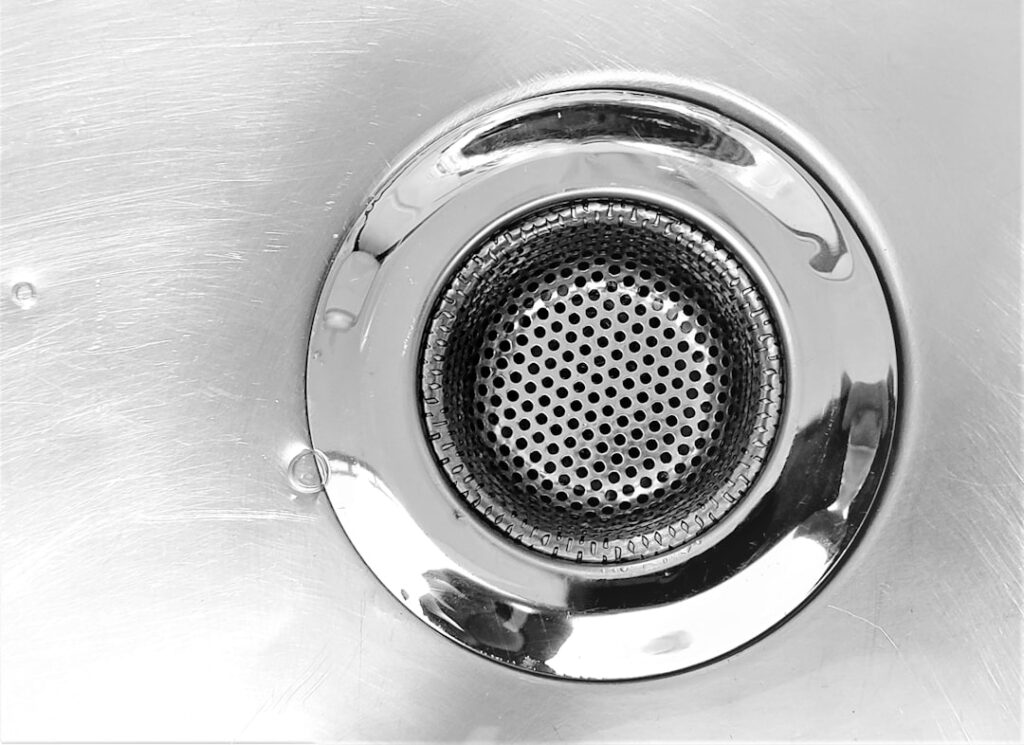
What comes up is usually a slimy plug of hair and gray biofilm — that alone is often the entire problem. Scrub the stopper with an old toothbrush, pull any remaining hair from the drain throat with a bent wire or a $3 plastic barbed strip (Zip-It style), reinstall, and test. Kitchen sinks get the equivalent treatment: pop out the basket strainer and clear any debris sitting on the crossbars below it.


Step 2: Boiling Water and the Baking Soda Flush
For grease-slowed kitchen drains and soap-scummed bathroom lines, hot water does real work. Bring 2 to 3 quarts to a boil, then pour it down the drain in two or three stages, letting each sit half a minute. Boiling water re-liquefies grease and melts soap deposits. (Skip the full boil if you have PVC pipes and pour at a strong tap-hot to just-under-boil temperature instead, and never pour boiling water into a porcelain sink basin directly — send it down the drain opening.)
For extra scouring, follow with the classic flush: 1/2 cup baking soda into the drain, chased by 1 cup of white vinegar, then cap the drain with a plug or rag for 10 minutes while it foams, and finish with another kettle of hot water. This combination will not chew through a solid clog, but it does an honest job stripping the greasy film that narrows pipes and causes gradual slowdowns — and it costs about fifty cents.
Step 3: Plunge It
A cup plunger (the flat-bottomed kind, not the flanged toilet plunger) moves clogs that rinses cannot. Fill the sink with 2 to 3 inches of water, stuff a wet rag into the overflow opening (bathroom sinks) or clamp off the second drain and dishwasher hose (kitchen doubles) so pressure has nowhere to escape, then plunge with 10 to 15 sharp strokes keeping the cup sealed. Repeat two or three rounds. If the water suddenly gulps away, run hot water for a full minute to push the loosened material through the branch line.
Step 4: Open the P-Trap
Still slow? Time for the curved pipe under the sink. The P-trap holds water to block sewer gas and doubles as the sink’s catch basin — dropped rings, toothpaste caps, and compacted gunk all collect there. You need channel-lock pliers, a bucket, and five minutes:
- Set the bucket under the trap and clear out the cabinet.
- Loosen the two slip nuts (hand-tight on plastic, pliers on metal) and drop the trap into the bucket — it will release its cup or two of water.
- Clear the trap with a bottle brush and rinse it in another sink or outside.
- Shine a flashlight into the wall stub-out and the vertical tailpiece; clear anything visible.
- Reassemble, checking that the beveled washers seat correctly, and hand-tighten plus a quarter turn — over-tightening cracks plastic nuts.
- Run water and check for drips before closing the cabinet.
If the trap was clean and the sink still drains slowly, the clog lives past the trap in the branch line, which brings us to the snake.
Step 5: Snake the Branch Line
A 1/4-inch hand-crank drum auger ($15 to $30) reaches clogs 15 to 25 feet into the wall. With the trap already removed, feed the cable directly into the wall stub-out — this beats fishing through the drain opening and avoids scratching the sink finish. Crank while advancing; when the cable meets resistance and tension builds, you have found the clog. Work the cable back and forth to break it up or hook it, withdraw (expect ugly material on the tip), reassemble the trap, and flush with hot water for two minutes. Skip the temptation to run a snake through the overflow or force a stuck cable — a kinked cable in a pipe becomes a plumber call with extra steps.
What About Chemical Drain Cleaners?
Use them sparingly, if at all. Caustic openers (Drano, Liquid-Plumr) generate heat that can soften old PVC joints and damage chrome finishes, they are brutal on skin and eyes, and a failed attempt leaves a trap full of caustic soup for whoever opens it next — often you, in step 4. Enzyme-based maintainers (Bio-Clean, Green Gobbler enzyme formulas) are the safer chemical option: they digest organic buildup overnight and work well as monthly prevention, though they are too slow for a sink that is nearly stopped.
Prevention: Keep It Draining
- Fit a $5 silicone or mesh hair catcher in every bathroom drain — it is the highest-ROI plumbing product sold.
- Never pour grease down a kitchen sink; collect it in a can. Wipe greasy pans with a paper towel before washing.
- Run cold water 15 seconds after using a garbage disposal to move particles fully into the main line.
- Flush bathroom sinks with very hot water weekly to keep soap film from accumulating.
- Pull and clean pop-up stoppers every couple of months — two minutes now beats thirty later.
When to Call a Plumber
Bring in a pro when multiple fixtures drain slowly at once (a main-line or vent problem, not a sink problem), when water backs up into other fixtures, when snaking hits an immovable obstruction, or when a gurgling sink accompanies sewage odors — that points to venting or sewer issues beyond DIY tools. Expect $150 to $350 for a standard drain cleaning and more for main-line work. But for the ordinary slow sink, the sequence above — stopper, hot water, plunger, trap, snake — resolves the overwhelming majority of cases in under an hour for pocket change.