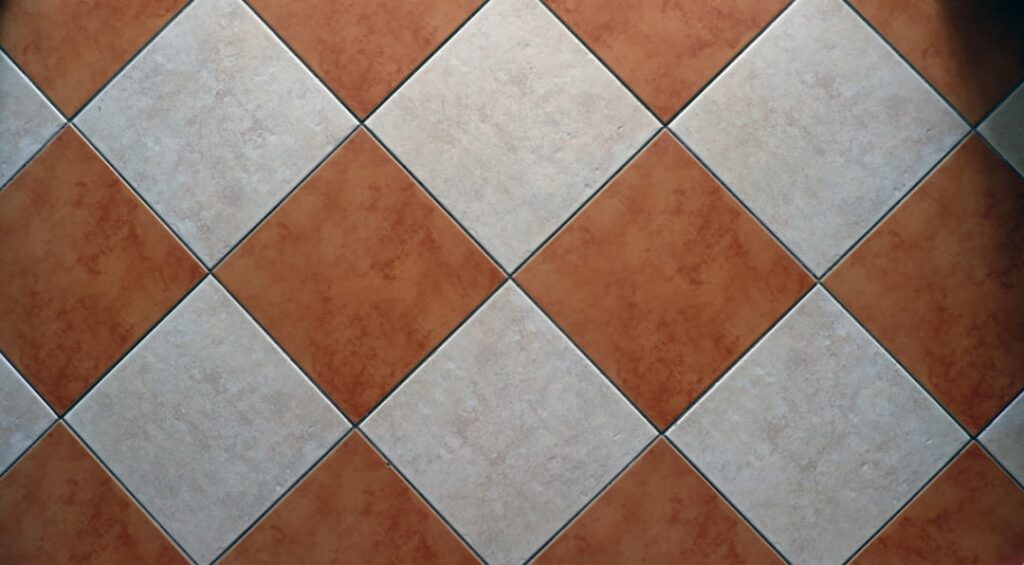
Those dark stains creeping along your shower grout are not just dirt — they are colonies of mold and mildew feeding on soap residue and trapped moisture. Knowing how to get rid of mold in grout the right way means more than scrubbing once; it means killing the growth, removing the stain, and sealing the porous grout so it cannot come back. The good news is that most cases respond to inexpensive products you likely already own. The critical part is doing it safely, because some common cleaners turn dangerous when mixed.
Part of our Tile & Grout guide — explore the full guide →
- Why Grout Grows Mold in the First Place
- Safety First — Read This Before You Start
- Method 1: Vinegar and Baking Soda
- Method 2: Oxygen Bleach
- Method 3: Diluted Chlorine Bleach
- Resealing the Grout to Prevent Regrowth
- When the Mold Keeps Coming Back
- Tools That Make the Job Easier
- Preventing Mold in the First Place
- The Bottom Line
Why Grout Grows Mold in the First Place
Grout is cement-based and porous, which means it absorbs water and holds it. Add the warm, humid, low-light environment of a shower plus a steady supply of organic food — soap scum, skin cells, shampoo residue — and you have ideal conditions for mold. Bathrooms with poor ventilation are the worst offenders.
That is why scrubbing alone never lasts. If you do not address moisture and reseal the grout afterward, the spores left in the porous surface simply regrow within weeks.
Safety First — Read This Before You Start
The most important rule in any mold cleanup: never mix bleach with ammonia or with vinegar, and never combine bleach with other cleaners. Bleach plus ammonia releases toxic chloramine gas; bleach plus an acid like vinegar releases chlorine gas. Both can cause serious respiratory harm in an enclosed bathroom.
- Pick one cleaning agent and stick with it — do not layer products
- Open windows and run the exhaust fan the entire time
- Wear rubber gloves and eye protection
- If you switch products, rinse the surface thoroughly with water first and let it dry
Method 1: Vinegar and Baking Soda
For mild, surface-level mold, white vinegar is a strong first option. Spray undiluted white vinegar directly onto the grout, let it sit for at least an hour so the acid can penetrate, then scrub with a stiff nylon brush or an old toothbrush. Rinse with warm water.
For stubborn spots, make a paste of baking soda and water, apply it to the grout, and spray vinegar over it. The mild fizzing helps lift staining. Scrub, let it sit a few minutes, then rinse clean. This combination is non-toxic and safe for daily-use surfaces.
Method 2: Oxygen Bleach
Oxygen bleach (sodium percarbonate, sold as a powder) is a gentler, color-safe alternative to chlorine bleach and works well on grout. Mix it with warm water per the package directions to form a thin paste or solution, apply it to the grout lines, and let it dwell for 15 to 30 minutes. Scrub and rinse.
Oxygen bleach is far less harsh on grout and surrounding materials, produces no toxic fumes, and is a good middle ground when vinegar is not strong enough but you want to avoid chlorine bleach.
Method 3: Diluted Chlorine Bleach
For heavy, deeply set black mold, diluted chlorine bleach is the most aggressive home option. Mix roughly one part bleach to three parts water, apply it to the grout with a brush, and let it sit for several minutes. Scrub, then rinse thoroughly with clean water.
Use this only with the bathroom fully ventilated and gloves on. Remember the safety rule above — bleach must never be combined with vinegar, ammonia, or any other cleaner. Bleach can also lighten colored grout, so test an inconspicuous spot first. Note that bleach kills surface mold but may not penetrate deep into the grout’s pores, which is why resealing afterward matters.
Resealing the Grout to Prevent Regrowth
Killing the mold is only half the job. Once the grout is clean, dry, and free of any cleaning residue — wait at least 24 to 48 hours — apply a quality penetrating grout sealer. The sealer fills the pores so moisture and spores cannot lodge inside.
Most grout sealers should be reapplied every 1 to 2 years in a wet area like a shower. A sealed surface is dramatically easier to keep clean and resists the rapid regrowth that plagues bare grout.
When the Mold Keeps Coming Back
If mold returns within days no matter how thoroughly you clean, the problem is usually moisture or a deeper issue. Improve ventilation by running the exhaust fan during and for 20 to 30 minutes after every shower, squeegee the walls, and keep humidity down. Persistent black staining that survives bleaching may mean the mold has grown behind the tile or into a failed grout joint — in that case the grout may need to be raked out and replaced, or you may have a hidden leak worth investigating.
Tools That Make the Job Easier
The right tools cut your scrubbing time dramatically. A stiff nylon grout brush or an old toothbrush reaches into the narrow lines far better than a sponge. For large areas, a rotary brush attachment on a drill speeds things up while saving your hands and knees. Keep a spray bottle for your chosen cleaner, a bucket of clean rinse water, and plenty of microfiber cloths on hand.
Avoid metal brushes and harsh abrasive pads, which can scratch tile glaze and gouge soft grout. If you are working on a shower wall, a small step stool and good lighting help you spot the mold you might otherwise miss in shadowed corners. A grout pen or whitening product can refresh the look of clean but permanently stained lines once the mold itself is gone.
Preventing Mold in the First Place
The easiest mold to deal with is the mold that never grows. Build a few habits into your routine: squeegee shower walls after each use to remove the water film that feeds mold, run the exhaust fan during and after showers, and wipe down grout lines weekly with a mild cleaner. Keep soap and shampoo bottles off the floor and tile ledges where residue collects. A quick monthly vinegar or oxygen-bleach wipe-down keeps colonies from establishing. These small steps spare you the hard scrubbing and resealing later, and they keep your bathroom looking and smelling fresh year-round.
The Bottom Line
Start with the gentlest method that works — vinegar and baking soda, then oxygen bleach, then diluted chlorine bleach for the worst growth. Never mix cleaning agents, always ventilate, and wear gloves. Finish by sealing the grout and controlling bathroom humidity. That combination of killing, cleaning, and sealing is the only reliable way to keep mold in grout from returning.