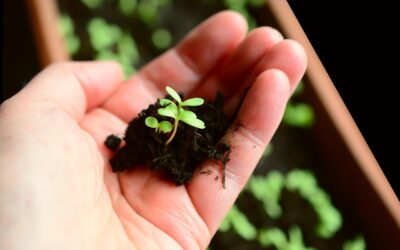
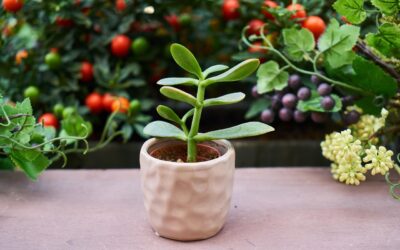
That fuzzy white layer creeping across your houseplant’s dirt looks alarming, but knowing how to get rid of mold in plant soil is simpler than most people fear, and the fix rarely means tossing the plant. The white or gray fuzz you see is almost always a harmless saprophytic mold feeding on decaying organic matter in the potting mix. It is a symptom, not a death sentence, and it is telling you the soil stays too wet with too little airflow.
Bringing an overwatered plant back to health follows the same process whether you have a fiddle leaf fig, a pothos, or a tray of seedlings. Below are the steps for removing the mold you can see, correcting the root causes, and locking in habits so it never returns. Grab a spoon and a little dish to get started.
Why Mold Shows Up in the First Place
Mold spores are everywhere in the air, all the time. They only bloom into visible colonies when three conditions line up: persistent moisture, poor air circulation, and a food source of organic debris. Indoor plants check all three boxes easily. A pot that sits in a dim corner, gets watered on a rigid schedule regardless of need, and holds decomposing bark or dead leaves is a perfect breeding ground.
The most common trigger by far is overwatering. When the top inch of soil never gets a chance to dry, mold moves in fast. Low light slows evaporation, high humidity keeps the surface damp, and a pot with no drainage hole guarantees the problem. Fixing the mold without fixing these conditions just means you will scrape it off again next week.
Step One: Remove the Visible Mold
Start by taking the plant to a well-ventilated spot, ideally outdoors or near an open window, so you are not spreading spores through the house. Then work through these steps.
- Scoop out the moldy top layer. Use a spoon to remove the top half inch to full inch of soil wherever the fuzz appears, plus a small margin around it.
- Bag and discard it. Do not compost moldy potting mix indoors; seal it in a bag and put it in the trash.
- Wipe the plant. If mold has touched leaves or stems, gently wipe them with a damp cloth. For heavier cases, a cloth dipped in a diluted solution of one part white vinegar to nine parts water works well.
- Let the surface dry. Set the pot somewhere bright and airy so the remaining soil surface can dry out over the next day or two.
For a lot of plants, this alone solves the visible problem. But to keep it gone, you have to address the moisture.
Step Two: Fix Your Watering Habits
This is where the real cure lives. Stop watering on a calendar and start watering by need. Push your finger two inches into the soil; if it feels moist, wait. Most houseplants want the top one to two inches to dry out completely before the next drink.
When you do water, water thoroughly until it drains from the bottom, then empty the saucer within 15 minutes. Letting a pot stand in a dish of runoff is one of the fastest ways to invite mold and root rot. If you tend to overwater, a cheap $10 to $15 soil moisture meter removes the guesswork entirely and pays for itself in saved plants.
Step Three: Improve Light and Airflow
Mold hates moving air and sunlight. Relocate the plant to a brighter spot if its species tolerates more light, since sunlight naturally inhibits fungal growth on the soil surface. Even indirect light near a window beats a dark corner.
Air circulation matters just as much. A small oscillating fan running on low for a few hours a day, aimed near but not directly at your plants, dries the soil surface and disrupts spore settlement. Grouping plants too tightly traps humid stagnant air between them, so give each pot a few inches of breathing room.
Natural Treatments That Actually Work
If mold keeps returning to the surface, a few gentle antifungal treatments help without harming the plant.
- Cinnamon: A natural antifungal. Dust a light layer of ground cinnamon over the dried soil surface. It is cheap, effective, and safe around pets and kids.
- Ground charcoal: Horticultural charcoal mixed into the top layer absorbs excess moisture and discourages fungal growth.
- Chamomile tea: A cooled, brewed chamomile spray has mild antifungal properties for the soil surface.
- 3% hydrogen peroxide: A one-part-peroxide to four-parts-water solution can be drizzled on the soil to kill mold and add oxygen; use it sparingly and only when mold is stubborn.
Avoid harsh chemical fungicides for a simple surface mold problem. They are overkill for saprophytic mold and can stress the plant more than the fungus does.
When to Repot Instead
Sometimes surface treatment is not enough. If the mold keeps returning within days, if the potting mix smells sour or rotten, or if you see mold deep in the root ball, it is time to repot. Old, broken-down potting soil holds too much water and too much decaying matter to recover.
To repot, remove the plant, shake off as much old soil as you can, and inspect the roots. Healthy roots are firm and white or tan; mushy brown roots signal rot and should be trimmed with clean scissors. Wash the pot with hot soapy water, add fresh well-draining potting mix, and confirm the pot has a working drainage hole. Fresh mix amended with perlite or coarse sand drains far better and resists mold from the start. A bag of quality potting mix runs $8 to $20, cheap insurance for a plant you care about.
Preventing Mold From Coming Back
Long-term prevention is really a set of small habits. Water only when the top inches are dry. Keep plants in bright, airy locations. Remove fallen leaves and debris from the soil surface promptly, since they are the mold’s food supply. Choose pots with drainage holes and never let them sit in standing water.
A thin top dressing of small pebbles, aquarium gravel, or horticultural sand over the soil creates a fast-drying barrier that mold struggles to colonize while still letting water through. Do that, keep the airflow up, and the fuzzy invasions become a thing of the past.
Frequently Asked Questions
Is mold in plant soil dangerous to humans?
The common white saprophytic mold on potting soil is generally harmless to healthy people, though disturbing it releases spores that can bother anyone with allergies or asthma. Wear a dust mask when scooping it out, and work in a ventilated area to be safe.
Will mold kill my plant?
Surface mold itself rarely harms a plant directly. The danger is what causes the mold, which is chronic overwatering, and that same wetness leads to root rot, which will kill a plant. Fix the moisture and the plant almost always recovers.
Can I just scrape the mold off and leave it?
Scraping removes the symptom but not the cause. Unless you also correct the watering, light, and airflow, the mold returns within days. Treat scraping as step one, not the whole solution.
Does cinnamon really stop soil mold?
Yes, ground cinnamon has genuine antifungal compounds and works well as a preventive top dressing on dry soil. It will not overcome constant overwatering, but paired with better watering habits it is remarkably effective and completely safe.
Getting rid of soil mold is less about fighting the fungus and more about changing the environment that let it thrive. Remove the fuzz, water by need instead of habit, add light and airflow, and your plants will stay clean, healthy, and mold-free.