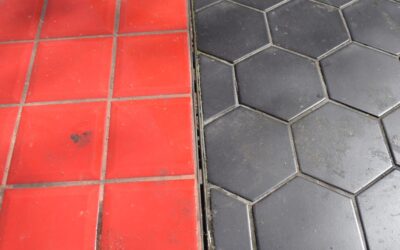
Tired of dated, dingy tile floors but not ready for a full replacement? Painting tile floors is a surprisingly effective and budget-friendly way to transform any room. Whether you have ceramic tile in the bathroom or porcelain in the kitchen, the right paint and preparation can deliver a dramatic makeover for a fraction of the cost of new flooring.
Part of our Tile & Grout guide — explore the full guide →
In this guide, we cover everything you need to know about how to paint tile floor surfaces — from choosing the best paint to mastering application techniques that ensure a durable, professional-looking finish that can last 2 to 5 years or more.
- Can You Really Paint Tile Floors?
- Best Paints for Tile Floors
- Tools and Materials You Will Need
- Step-by-Step: How to Paint Tile Floor
- Bathroom and Kitchen Considerations
- Stenciling: Add a Custom Pattern
- How Long Does Painted Tile Last?
- Maintenance Tips for Painted Tile Floors
- Cost: Painting vs. Replacing Tile
- Frequently Asked Questions
Can You Really Paint Tile Floors?
Yes, you absolutely can paint tile floors — and the results can be stunning. Tile paint technology has come a long way, and modern formulations are specifically designed to bond to slick, non-porous surfaces like ceramic and porcelain tile. The key to success lies in three factors: thorough surface preparation, choosing the correct paint, and applying it with the right technique.
Painted tile floors work especially well in bathrooms, kitchens, laundry rooms, entryways, and enclosed porches. However, you should set realistic expectations: painted floors require more care than unpainted tile, and high-traffic areas will need touch-ups over time. Most properly applied tile floor paint lasts between 2 and 5 years before needing a refresh.
Best Paints for Tile Floors
Not all paint works on tile. You need a product specifically formulated for hard, slick surfaces. Here are the top options ranked by durability and ease of use.
| Paint Type | Durability | Best For | Dry Time | Cost per Gallon |
|---|---|---|---|---|
| Two-Part Epoxy | Excellent (4-5 years) | Bathrooms, kitchens, garages | 24-72 hours full cure | $50-$90 |
| Porch & Floor Paint | Very Good (3-5 years) | Entryways, porches, laundry rooms | 24 hours between coats | $30-$60 |
| Chalk Paint (+ sealer) | Good (2-3 years) | Low-traffic areas, decorative use | 1-2 hours between coats | $35-$45 |
| Latex Floor Paint (+ primer) | Fair (1-3 years) | Budget projects, temporary updates | 4-8 hours between coats | $25-$40 |
Epoxy Paint — The Gold Standard
Two-part epoxy floor paint is the most durable option for tile floors. It creates a rock-hard, chemical-resistant finish that stands up to moisture, foot traffic, and cleaning products. Brands like Rust-Oleum EpoxyShield and KILZ 1-Part Epoxy are popular choices. The downside is a longer cure time and a more demanding application process — you must mix the two components and work quickly before the epoxy begins to set.
Chalk Paint — The Decorative Option
Chalk paint adheres to almost any surface with minimal prep, making it popular for DIY tile makeovers. Annie Sloan and Rust-Oleum Chalked are common picks. However, chalk paint is softer than epoxy and absolutely requires a durable topcoat sealer — polyurethane or polycrylic — to survive foot traffic. Without a sealer, chalk-painted floors will scuff and chip within weeks.
Porch and Floor Paint
Porch and floor enamel paint from brands like BEHR, Benjamin Moore, and Sherwin-Williams is formulated for walkable surfaces. It is easier to apply than epoxy and more durable than chalk paint, making it a solid middle-ground choice. Look for products labeled for interior and exterior concrete and masonry — these bond well to tile with the right primer.
Tools and Materials You Will Need
- TSP (trisodium phosphate) or heavy-duty degreaser
- 120-220 grit sandpaper or liquid deglosser
- Bonding primer (Stix, KILZ Adhesion, or Zinsser Bulls Eye 1-2-3 Plus)
- Tile floor paint of your choice
- High-density foam roller (4-inch for small areas, 9-inch for large)
- Angled brush for edges and grout lines
- Painter’s tape
- Drop cloths
- Polyurethane or polycrylic sealer (if using chalk paint)
- Optional: tile stencils for decorative patterns
Step-by-Step: How to Paint Tile Floor
Step 1 — Clean the Tile Thoroughly
This is the single most important step. Paint will not adhere to dirty, greasy, or soapy tile. Start by sweeping and vacuuming all dust and debris. Then scrub the entire floor with TSP or a heavy-duty degreaser, paying extra attention to grout lines where grime collects. Rinse thoroughly with clean water and let the floor dry completely — at least 24 hours. Any residual moisture or cleaning product will cause adhesion failure.
Step 2 — Etch or Sand the Surface
Tile is designed to be smooth and water-resistant, which means paint has nothing to grab onto unless you create some tooth on the surface. You have two options: physically sand the tile with 120-220 grit sandpaper (or a palm sander for large areas), or apply a liquid deglosser/etching solution. Sanding is more reliable, but liquid deglosser works well for tiles with intricate textures that are hard to sand evenly. Wipe away all sanding dust with a tack cloth when finished.
Step 3 — Apply Bonding Primer
A high-adhesion bonding primer is essential for painted tile floors. Regular wall primer will not work. Apply a thin, even coat of bonding primer using a foam roller, cutting in along the edges with an angled brush. Let the primer dry according to the manufacturer’s instructions — typically 2 to 4 hours. Many professionals apply two coats of primer for maximum adhesion on tile.
Step 4 — Paint the Tile
Apply your chosen tile floor paint in thin, even coats. Start from the farthest corner of the room and work toward the door so you do not paint yourself into a corner. Use a foam roller for broad areas and a brush for edges and grout lines. Thin coats are critical — thick coats take longer to dry, are more prone to bubbling, and chip more easily. Most tile floor paints require two to three coats with adequate drying time between each.
Step 5 — Allow Proper Cure Time
This is where patience pays off. While paint may feel dry to the touch within hours, it needs much longer to fully cure and reach maximum hardness. Follow these general timelines:
- Light foot traffic: 24-48 hours
- Normal foot traffic: 3-7 days
- Full cure (furniture, rugs): 2-4 weeks
Avoid placing rugs, furniture, or heavy objects on the painted floor until it has fully cured. Rushing this step is the number one reason painted tile floors fail prematurely.
Step 6 — Apply Sealer (If Needed)
If you used chalk paint or latex floor paint, apply two to three coats of water-based polyurethane or polycrylic sealer for protection. Epoxy and porch paint generally do not require a separate sealer, though adding one can extend the life of the finish in high-traffic areas.
Bathroom and Kitchen Considerations
Painting tile in wet areas like bathrooms and kitchens requires extra attention to moisture management. Here are the key considerations:
- Bathrooms: Use epoxy paint, which is inherently water-resistant. Ensure proper ventilation during and after painting. Avoid painting the inside of shower floors or areas that sit in standing water — paint is suitable for bathroom floors but not immersion zones. Consider adding a non-slip additive to the final coat for safety on wet surfaces.
- Kitchens: Kitchen floors face grease, spills, and heavy foot traffic. Epoxy or porch paint with a polyurethane topcoat is the best combination. Wipe up spills promptly on painted floors to prevent staining, especially with lighter colors.
Stenciling: Add a Custom Pattern
One of the biggest advantages of painting tile is the ability to add decorative stencil patterns that mimic expensive encaustic or cement tile. Large-format tile stencils are available from companies like Cutting Edge Stencils and Royal Design Studio. Apply your base color first, let it dry fully, then tape the stencil in place and apply the pattern color with a dense foam roller using very little paint to prevent bleeding under the stencil. Seal the finished design with two to three coats of polyurethane.
How Long Does Painted Tile Last?
With proper preparation and application, painted tile floors typically last 2 to 5 years before needing a refresh. Several factors affect longevity:
- Paint type: Epoxy lasts longest (4-5 years), chalk paint the shortest (2-3 years with sealer)
- Traffic level: Low-traffic bathrooms last longer than busy kitchen floors
- Preparation quality: Thorough cleaning, sanding, and priming dramatically extend paint life
- Maintenance: Gentle cleaning products and felt pads on furniture preserve the finish
Maintenance Tips for Painted Tile Floors
- Sweep or vacuum regularly to prevent grit from scratching the paint
- Mop with a damp (not wet) mop and mild, pH-neutral cleaner
- Avoid abrasive scrubbers, steel wool, or harsh chemical cleaners
- Place felt pads under furniture legs
- Use doormats at entryways to reduce tracked-in debris
- Touch up chips and scratches promptly to prevent peeling
Cost: Painting vs. Replacing Tile
| Option | Cost per Sq Ft | 100 Sq Ft Room | Lifespan |
|---|---|---|---|
| Paint tile floor (DIY) | $1-$3 | $100-$300 | 2-5 years |
| New ceramic tile | $7-$15 | $700-$1,500 | 50+ years |
| New porcelain tile | $10-$20 | $1,000-$2,000 | 50+ years |
Painting is clearly the budget-friendly winner for a quick refresh. If you are exploring other cheap flooring options, painting existing tile is one of the most affordable paths available. For a deeper look at tile options, visit our tile flooring guide or browse our floor paint recommendations.
Frequently Asked Questions
Can you paint tile floors in a rental?
Technically yes, but check your lease first. Painting tile is considered a modification that most landlords would need to approve. The good news is that painted tile can be sanded and repainted or even stripped if needed before move-out.
Do I need to paint the grout lines too?
Yes. When painting tile floors, you paint over everything — tile and grout — for a uniform finish. If you want the grout lines to stand out, paint the base coat, let it dry, then use a contrasting grout paint pen or small brush to paint the grout lines a different color.
Can I paint over painted tile?
Yes. Lightly sand the existing painted surface with 220-grit sandpaper to create tooth, clean thoroughly, and apply your new paint. If the old paint is peeling or flaking, you will need to strip it down to the original tile before repainting.
What if the paint starts peeling?
Peeling usually indicates inadequate surface prep — the tile was not clean enough, not sanded, or the wrong primer was used. To fix it, scrape away all loose paint, sand the edges smooth, re-prime bare spots, and repaint those areas.
Is painted tile slippery?
Freshly painted tile can be slippery, especially when wet. Add a non-slip additive (like Shark Grip) to your final coat of paint or sealer for traction in bathrooms, kitchens, and entryways.
How soon can I walk on painted tile?
Most tile floor paints allow light foot traffic in socks after 24 hours. Wait 3 to 7 days for normal use, and allow a full 2 to 4 weeks for complete curing before placing furniture or area rugs on the surface.
Prefer to explore on your own?
See how new flooring looks in your actual room in seconds — free, no signup.
Try the free Floor Studio →