Let us be honest from the first sentence: there is no such thing as a truly permanent waterproof coating for wood. Anyone searching how to permanently waterproof wood deserves the real answer, which is that wood is a natural material that expands, contracts, and eventually wears, so every protective finish needs periodic upkeep. The good news is that with the right sealer and proper preparation, you can achieve long-lasting, highly durable water resistance that holds up for years before it needs attention. This guide covers the products that actually work and the honest expectations to set.
Part of our Roofing guide — explore the full guide →
- Why "Permanent" Is the Wrong Goal
- Step One: Prepare the Surface
- Penetrating Oils and Sealers
- Spar and Marine Varnish
- Polyurethane for Interior and Sheltered Wood
- Stain-Plus-Sealer Combinations
- Application Tips That Extend Protection
- Maintenance Is the Real Secret
- Matching the Method to the Project
- Sealing Different Wood Types
- Signs Your Finish Needs Refreshing
- Honest Expectations
Why “Permanent” Is the Wrong Goal
Wood moves. As humidity rises and falls, the grain swells and shrinks, which stresses any film on top of it. Sunlight breaks down finishes through UV exposure, foot traffic abrades them, and water finds any gap or scratch. Even the toughest marine coatings carry reapplication schedules in their instructions. So instead of chasing permanence, aim for maximum durability and a realistic maintenance routine. Done right, that combination protects wood for the long haul.
Step One: Prepare the Surface
No sealer performs well over a dirty or rough surface. Preparation is where most projects succeed or fail.
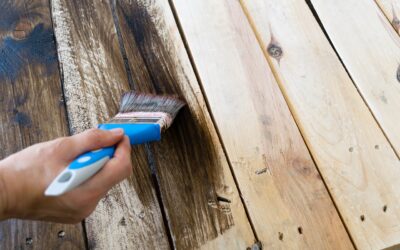
- Clean the wood thoroughly to remove dirt, grease, and old flaking finish.
- Sand with progressively finer grits, typically finishing around 120 to 220 grit for most projects.
- Remove all dust with a vacuum and a tack cloth.
- Make sure the wood is completely dry, ideally below 15 percent moisture content for outdoor lumber.
Sealing in moisture is one of the most common mistakes. A coating applied over damp wood traps water and leads to peeling, cupping, and rot underneath.
Penetrating Oils and Sealers
Penetrating products soak into the wood fibers rather than forming a film on top. Tung oil, linseed oil, and commercial penetrating wood sealers fall into this group. They resist water by making the fibers themselves repellent, and they have a major advantage: they wear away gradually instead of peeling, which makes reapplication simple.
These finishes are ideal for decks, outdoor furniture, and anywhere you want the natural grain to show. Expect to refresh them every one to three years depending on exposure. The reapplication is easy because there is no stripping involved.
Spar and Marine Varnish
For maximum water protection on a film-forming finish, spar varnish, also called marine varnish, is the gold standard. It was developed for boats, so it flexes with wood movement and contains UV blockers. Multiple thin coats build a tough, glossy barrier that sheds water and resists salt and sun.
The tradeoff is maintenance. When a spar varnish finish eventually degrades, you typically sand and recoat rather than simply wiping on more product. Outdoors, plan on inspecting it yearly and recoating every couple of years on sun-exposed surfaces.
Polyurethane for Interior and Sheltered Wood
Polyurethane forms a hard, water-resistant film that excels indoors and on protected surfaces like tabletops, trim, and cabinetry. Oil-based polyurethane is more durable and water-resistant than water-based versions, though it ambers over time and takes longer to cure. For full water resistance, apply three coats, sanding lightly between each.
Polyurethane is not ideal for constant outdoor exposure because standard formulas lack the UV protection and flexibility of spar varnish, but exterior-rated polyurethanes do exist for sheltered outdoor use.
Stain-Plus-Sealer Combinations
Combination stain and sealer products color and protect in one step, which is popular for decks and fences. They are convenient and provide solid water repellency, though the protection is generally lighter than dedicated varnish. Like penetrating oils, they wear gradually and reapply easily, making them a practical choice for large outdoor surfaces where you want manageable upkeep.
Application Tips That Extend Protection
- Apply thin, even coats rather than one thick layer, which can drip and cure poorly.
- Seal end grain especially well, since cut ends absorb water fastest.
- Work in moderate temperatures, generally between 50 and 85 degrees Fahrenheit, and out of direct sun.
- Let each coat cure fully before adding the next or putting the piece into service.
- Coat all sides of a board, including the bottom, to balance moisture absorption.
Maintenance Is the Real Secret
The wood that stays protected for decades is not coated with some magic permanent product. It is the wood that gets a fresh coat on schedule. Set a calendar reminder based on your finish and exposure, inspect for dull spots or water that soaks in rather than beading, and recoat before the surface fails. Catching wear early means a quick refresh instead of a full strip-and-refinish.
Matching the Method to the Project
The right approach depends heavily on what you are protecting and where it lives. There is no single best product for every situation, so match the finish to the job.
- Outdoor deck: penetrating oil or a stain-plus-sealer for easy annual upkeep.
- Outdoor furniture and railings: spar varnish for maximum durability against sun and rain.
- Indoor tabletops and trim: polyurethane for a hard, water-resistant film.
- Garden beds and rough lumber: penetrating sealer for moisture resistance without fuss.
- Boats and constant-water exposure: marine varnish designed for the harshest conditions.
Choosing based on exposure and the look you want saves you from over- or under-protecting the wood.
Sealing Different Wood Types
Not all wood accepts finishes the same way. Dense hardwoods like teak and ipe are naturally oily and water-resistant, and they often do best with penetrating oils rather than thick films, which can struggle to adhere. Softwoods like pine and cedar are more porous and absorb sealers readily, so they benefit from a thorough soak of penetrating product or several coats of film finish. Always test how your specific wood absorbs the product on a scrap or hidden area first.
Signs Your Finish Needs Refreshing
Knowing when to recoat is the difference between easy maintenance and a major refinishing job. Watch for these warning signs and act before the wood is exposed.
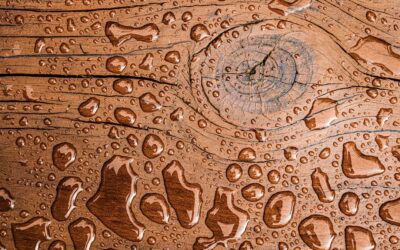
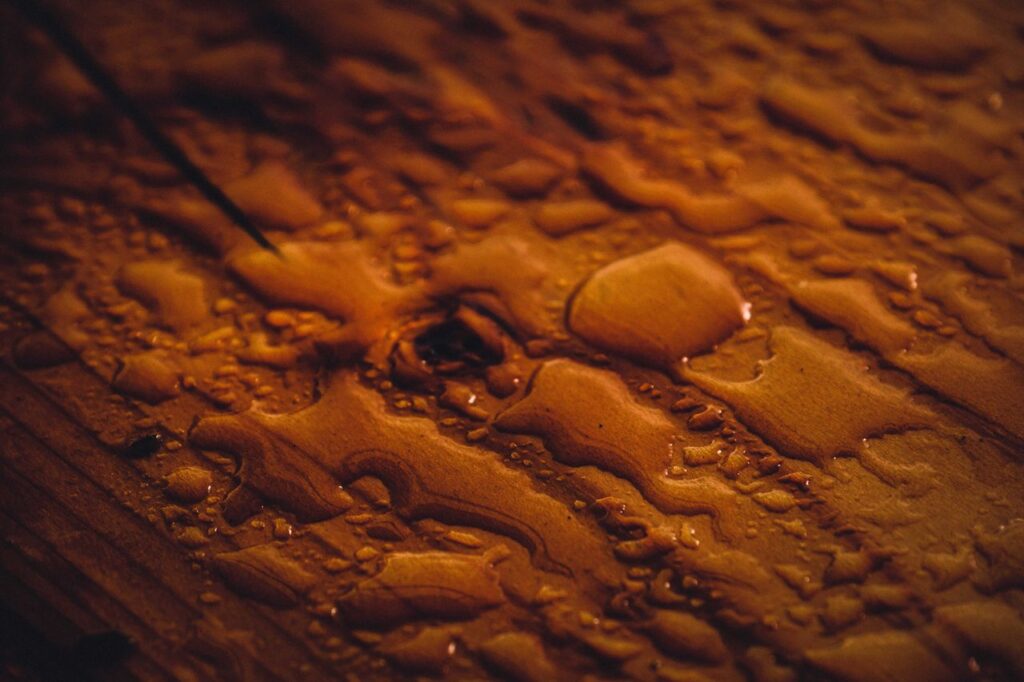
- Water no longer beads up and instead soaks into the surface.
- The finish looks dull, faded, or worn in high-traffic spots.
- You see graying or darkening of the wood underneath.
- Small cracks or flaking appear in a film finish.
Catching these early means a quick refresh coat rather than stripping back to bare wood.
Honest Expectations
If you want wood that resists water for years with minimal worry, choose penetrating oils for easy upkeep or spar varnish for maximum film protection, prepare the surface properly, and commit to periodic reapplication. That is the realistic path to long-term waterproofing. No single application lasts forever, but a smart product choice and a maintenance habit will keep your wood looking great and shedding water far longer than any so-called permanent shortcut.