Killing a 400 square foot patch of lawn to install a garden bed, a paver patio, or a low-water landscape sounds simple, but each removal method has different costs, timelines, and environmental trade-offs. How to remove grass from yard areas the right way depends on three things: how fast you need the area ready, how much labor you want to put in, and whether you plan to plant in the same spot afterward. Here are the five methods that actually work, with realistic costs and timelines for a 200-500 square foot project.
Method 1: Sheet Mulching (Smothering)
Sheet mulching is the lowest-effort, lowest-cost method. Mow the grass as short as possible, water the area thoroughly, then layer cardboard (10-12 sheet thickness, no glossy printing or tape) directly over the grass with 6-inch overlaps. Top with 4-6 inches of arborist wood chips or hardwood mulch. The cardboard smothers the grass while it decomposes, and the mulch keeps light out and soil moist.
Cost: free if you scavenge cardboard from appliance stores and request free mulch from local arborists (ChipDrop.com matches homeowners with tree services dropping loads at no charge). If buying mulch, expect $35-$50 per cubic yard delivered.
Timeline: 3-6 months for full grass die-off, longer for tough perennial grasses like Bermuda or quackgrass. Plant directly through the cardboard once it has softened.
Method 2: Solarization
Solarization uses sunlight under clear plastic to bake the grass and weed seeds. Mow as short as possible, water thoroughly to wet the top 6 inches of soil, then cover with 6 mil clear polyethylene sheeting. Weight the edges with bricks or rocks every 18 inches and leave for 4-8 weeks during the hottest part of summer.
The trapped solar heat raises soil surface temperatures above 130 degrees Fahrenheit, killing grass, weed seeds, and many soil-borne pathogens. Cost: $25-$45 for a 10×25 foot roll of clear plastic. Reuse for multiple projects.
Solarization works best in regions with 8+ weeks of consistent 85+ degree Fahrenheit days — most of the Sun Belt, the Plains states in July-August, and California’s Central Valley. Pacific Northwest and northern New England rarely get hot enough for full results.
Method 3: Sod Cutter Removal
Sod cutter removal is the fastest method when you need the area ready in a single weekend. Rent a Classen TR-20 or Ryan Junior sod cutter from Home Depot or Sunbelt Rentals for $80-$120 per day. The machine slices under the grass at a 1-2 inch depth, lifting strips of sod that you roll up and discard or transplant.
For a 300 square foot area, expect 2-3 hours of cutting plus another 2-3 hours of rolling and hauling. Sod weighs 30-40 lbs per square yard wet, so plan disposal — most municipalities accept sod in yard waste, or you can compost it grass-down in a hidden pile.
The downside: you remove 1-2 inches of topsoil with the sod, which is the most fertile layer. Replace with compost or topsoil ($30-$50 per cubic yard) before planting.
Method 4: Glyphosate or Vinegar Herbicide
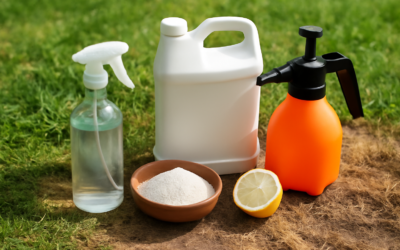
Chemical kill is the fastest non-mechanical method. Glyphosate (Roundup or generic equivalent at $25-$40 per gallon of concentrate) kills most grass species within 7-14 days when applied to actively growing turf. Mix per label (typically 2.5 oz per gallon for tough grasses), apply on a calm day above 60 degrees Fahrenheit, and wait 7 days before any soil disturbance.
For a non-synthetic alternative, 20-30 percent horticultural vinegar ($25-$35 per gallon) burns down grass leaves within hours but does not kill the roots. Plan on 3-4 applications over 4-6 weeks for full root death. Add 1 tablespoon dish soap per gallon as a surfactant.
Neither method removes the dead grass — you still need to till, dig, or sheet mulch over the killed turf to clear the area for planting.
Method 5: Tilling
Tilling buries the grass and chops the roots into the soil. Rent a Honda FG110 mini-tiller ($45-$60 per day) for areas under 200 square feet, or a Troy-Bilt or Husqvarna rear-tine tiller ($75-$120 per day) for larger projects. Run the tiller over the grass at maximum depth (6-8 inches), wait two weeks, and till again to chop new sprouts.
Tilling is fastest in spring before grass establishes deep roots and after a few days of dry weather (wet tilling creates clods that dry like concrete). Bermuda, zoysia, and other rhizomatous grasses are particularly stubborn — every chopped rhizome can root and re-grow, so 2-3 tillings spaced 2 weeks apart are usually required.
Tools and Brand Picks
For mechanical removal, three brand picks consistently deliver. Husqvarna 580BTS leaf blower at high speed clears grass clippings and prep debris quickly. Fiskars Big Grip square-tip shovel ($25-$35) for edging and root removal — the steel head outlasts cheap fiberglass-handle shovels by years.
For herbicide application, a 2-gallon Chapin pump sprayer ($25-$35) delivers more consistent coverage than the trigger-bottle ready-to-use Roundup products and costs less per square foot when you mix concentrate.
For sheet mulching, ChipDrop.com is the single best resource — sign up, get on a local arborist’s list, and a free load of fresh wood chips arrives in 1-6 weeks. Avoid black-dyed mulch from box stores; the dye is unnecessary and the chips break down faster than natural arborist chips.
Method Choice by Project Type
Match the method to your project. For a garden bed you will plant in 4-6 weeks, choose sod cutter or tilling. For a paver patio installation, sod cutter is best because you need the area level and grass-free before laying base material.
For a low-effort conversion to native landscape or pollinator garden, sheet mulching is the perfect approach — the cardboard decomposes into organic matter, the mulch suppresses weeds for the first growing season, and you plant directly through both into the soil below.
For full-yard removal preparing for new turf installation, hire a sod-cutting and disposal service ($1.50-$2.50 per square foot, including haul-away) rather than trying to remove 2,000 square feet by hand.
Soil Prep After Grass Removal
Whatever method you use, the soil underneath needs attention before planting. Test pH with a $15 soil test kit from any garden center. Most US lawn soils run 5.5-6.5; vegetables and most ornamentals want 6.0-7.0. Adjust with lime to raise pH or sulfur to lower it.
Add 2-3 inches of compost ($35-$50 per cubic yard delivered) and till or fork it into the top 6 inches of soil. This restores the organic matter you lost with sod removal and gives new plants a strong start. Skip this step and you will spend two seasons trying to get plants established in compacted, depleted soil.