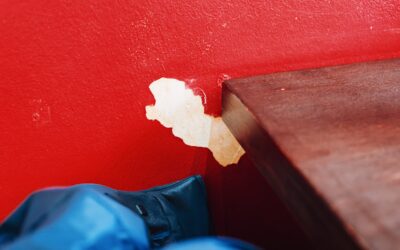
One tipped candle and the side of an end table is suddenly a sculpture in solidified paraffin. The good news is that wax is one of the more forgiving spills to clean up — it doesn’t soak in like wine, doesn’t stain like ink, and almost always responds to one of three techniques. How to remove wax from surfaces comes down to matching the method to the material underneath. Heat, cold, and solvents each work on different substrates, and using the wrong one can ruin a finish that the wax itself never would have damaged.
Identify the Wax Type First
Paraffin candles (the cheap ones) melt at 115 to 142 degrees Fahrenheit. Soy wax melts lower, around 113 to 127. Beeswax sits higher at 144 to 147. Carnauba car wax and floor waxes contain solvents and dry to a much harder finish.
For most household spills you’re dealing with paraffin or soy. Both respond beautifully to the methods below. Carnauba and floor wax need stronger solvents.
The Ice Method for Hard Surfaces
Cold makes wax brittle, which lets you scrape it off in clean flakes instead of smearing it into the grain. This works on hardwood floors, kitchen counters, tile, glass, and any sealed surface.
- Drop a handful of ice cubes into a sealed sandwich bag
- Press the bag flat against the wax for 5 to 10 minutes
- Use a plastic scraper, the edge of an old credit card, or a wooden spoon handle to lift the brittle wax off
- Wipe residue with a microfiber cloth dampened with warm soapy water
Never use metal scrapers on finished wood or glass. The temptation when wax is stubborn is to grab a putty knife, but you’ll gouge the surface long before the wax gives way.
The Heat Method for Fabric, Carpet, and Upholstery
Heat reflows wax into a brown paper bag or paper towel, which absorbs it. This is the only reliable method for porous surfaces where ice would just create cold wax bonded to fibers.
- Scrape excess hardened wax off with a butter knife or spoon
- Place a brown paper grocery bag or two layers of plain paper towel over the spot
- Set a clothes iron to medium heat (no steam) — about 300 to 350 degrees Fahrenheit
- Iron in slow circles for 15 to 30 seconds
- Lift the paper and check — you should see wax absorbed into it
- Move to a fresh section of paper and repeat until no more wax transfers
For colored candles, follow up with a 50/50 mix of warm water and white vinegar to lift residual pigment from carpet fibers. On delicate fabrics like silk or upholstery with sensitive dyes, test the iron temperature on an inside seam first.
Solvent Method for Stubborn Residue
After ice or heat removes the bulk of the wax, a faint oily haze often remains. This is the soluble portion of the candle wax mixed with dye and fragrance oils. Mineral spirits, denatured alcohol, or Goo Gone all dissolve it.
- Glass and ceramic: Rubbing alcohol (70 percent isopropyl) on a paper towel
- Sealed hardwood: Mineral spirits (Klean-Strip Odorless) on a soft rag
- Painted walls: Goo Gone Original on a microfiber cloth, then wipe with damp cloth
- Granite and quartz countertops: Method Daily Granite spray or Bona Stone
- Carpet: Folex carpet spot cleaner, blot don’t rub
Always test solvents in an inconspicuous spot before applying to a visible area. Mineral spirits can soften some polyurethane finishes if left sitting more than 30 seconds.
Removing Wax from Tablecloths and Clothing
For fabric items that can go in the washing machine, freeze the garment in a plastic bag for two hours first. The wax becomes brittle enough to crack off with your fingernails. Whatever remains responds to the iron-and-paper-towel method, then a normal wash with OxiClean Versatile pre-treatment.
Avoid bleach on wax stains — chlorine doesn’t dissolve paraffin and can set any colored dye into the fabric permanently. Hot water on the first wash also sets dye. Use the coolest wash setting until you’re sure the stain is gone.
Hardwood Floors Specifically
Sealed polyurethane finishes handle ice and a plastic scraper without damage. Unsealed or oil-finished woods need extra care because solvents can lift the penetrating oil.
For Rubio Monocoat or Osmo Polyx-Oil finished floors, use only the ice method followed by a soft cloth dampened with the manufacturer’s care product (Rubio Surface Care or Osmo Wash and Care). Skip mineral spirits entirely — they’ll dull the finish and require a refresh oil application.
Waxed pine or unfinished farmhouse floors are the trickiest case. Heat from a hairdryer at low setting plus paper towel absorption works without removing the floor wax underneath. Test on a hidden section first.
Walls and Painted Surfaces
Latex-painted drywall takes the iron-and-paper-bag method surprisingly well. Set the iron to low (no higher than 250 degrees) and work in 10-second passes. Higher temperatures will blister the paint.
For finished off-white or eggshell paint, a final wipe with a magic eraser (Mr. Clean Magic Eraser Original) lifts the last shadow without damaging the paint film. Don’t scrub matte or flat finishes with magic erasers — they’ll polish the spot to a different sheen than the surrounding wall.
When to Call a Pro
Antique furniture with shellac or French polish finishes, oriental rugs, original wood floors from before 1940, and silk upholstery all warrant a professional clean rather than DIY. The cost ($75 to $300) is cheaper than refinishing damage from the wrong solvent. Vacuum away loose debris, cover the spot with a clean white cloth, and call a furniture restorer or rug specialist within 48 hours for the best chance of complete recovery.