That green film on the north side of your home is not dirt; it is living algae and mildew, and blasting it with high pressure mostly just rearranges it. Learning how to soft wash a house means letting a diluted cleaning solution kill the growth at the root, then rinsing it away at garden-hose pressure. The result lasts longer than a pressure wash, and it is far gentler on vinyl, painted wood, stucco, and brick.
The method is simple: mix sodium hypochlorite (the active ingredient in household bleach) with water and a surfactant, apply it at low pressure, let it dwell for 10 to 20 minutes, and rinse. The key variables are concentration, dwell time, and protecting everything around the house, especially plants. Get those right and a house soft wash leaves siding bright for a year or more.
How to Soft Wash a House: The Basics
Soft washing uses chemistry instead of force. A pressure washer relies on 2,000 PSI or more to strip grime. Softwash house cleaning typically works under 500 PSI at the nozzle, often much less, because the solution does the cleaning. That matters for siding: high pressure can drive water behind laps, etch soft wood, knock granules off stucco, and erode mortar joints.
Soft wash siding cleaning is the better choice when:
- You see green, black, or gray organic staining rather than mud or road film.
- The siding is vinyl, painted wood, stucco, EIFS, or older brick with soft mortar.
- You want results that last; killing spores slows regrowth.
- Upper walls are hard to reach safely with a high-pressure gun.
Once you know how to soft wash a house, you will reach for the pressure washer far less often. High pressure still has its place on concrete driveways, bare decks, and caked-on mud. Many homeowners use both: soft wash for the house and pressure for flatwork.
Gear and Materials
You do not need a commercial rig for a single home. A basic soft wash setup includes:
- Sprayer: A 12v soft wash sprayer with a battery-powered diaphragm pump is the most practical homeowner option. It draws from a tank and throws solution 15 to 25 feet, enough for many two-story walls from the ground. A 2- to 4-gallon pump-up garden sprayer with chemical-resistant seals works for small areas.
- Sodium hypochlorite: Plain, unscented household bleach (about 6 to 8.25 percent) or pool-grade liquid chlorine (about 10 to 12.5 percent). Avoid scented or splash-less formulas.
- Surfactant: A bleach-compatible soap that helps the solution cling to vertical surfaces and penetrate growth. Add about 1 to 2 ounces per gallon of mix, following the label.
- Garden hose with an adjustable nozzle for pre-wetting and rinsing.
- Protective gear: Chemical splash goggles, nitrile or neoprene gloves, long sleeves, and rubber boots.
- Plant protection: Lightweight breathable tarps or plastic sheeting, plus extra water.
Mix Ratios by Siding Type
Concentration is measured as the final percentage of sodium hypochlorite in the tank. For most siding, a final strength of 0.5 to 1.5 percent is plenty. Using 6 percent household bleach, a roughly 1:4 bleach-to-water ratio yields about 1.2 percent. Pool chlorine at 12.5 percent diluted 1:9 lands in the same range.
- Vinyl and aluminum siding: 0.5 to 1 percent for light growth, up to 1.5 percent for heavy algae.
- Painted wood and fiber cement: 0.5 to 1 percent. Test first; strong mixes can chalk or lighten older paint.
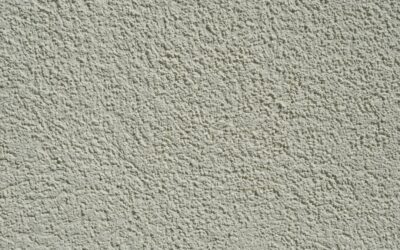
- Stucco and EIFS: About 1 percent, with generous pre-wetting since these surfaces absorb solution.
- Soft wash brick house exteriors: About 1 to 1.5 percent. Brick is porous, so rinse thoroughly and repeat the rinse later.
- Cedar and natural wood: Use a wood-specific cleaner instead; bleach can bleach the tone unevenly.
Always add bleach to water, not water to concentrate, and mix only what you will use that day. Sodium hypochlorite loses strength in heat and sunlight.
Step-by-Step Soft Washing Process
- Pick the right day. Choose an overcast, calm day between about 50 and 85 degrees F. Wind carries mist onto plants and cars, and hot sun dries solution too fast.
- Prep the perimeter. Close windows and doors, cover exterior outlets and fixtures, move vehicles, and pick up toys and pet bowls.
- Soak the plants. Thoroughly water all shrubs, flowers, and grass within 10 feet of the house. Saturated leaves absorb less chemical. Cover delicate plants loosely, and remove covers soon after rinsing so they don’t overheat.
- Test a small patch. Apply the mix to a hidden section, wait 10 minutes, and rinse. Check for paint chalking or discoloration.
- Apply from the bottom up. Spray one wall section at a time, working upward so solution doesn’t streak dry siding below.
- Let it dwell 10 to 20 minutes. You should see green growth lighten or disappear. Keep the surface wet; lightly re-apply if it starts drying.
- Rinse top to bottom. Use the garden hose at normal pressure, rinsing each section thoroughly and flushing window frames, sills, and gutters.
- Rinse plants again. Hose down landscaping and lawn once more after each wall to dilute any runoff.
- Inspect when dry. Stubborn spots can get a second, brief application.
Heavily stained gutters or black streaks from roof runoff often need a dedicated gutter cleaner, since sodium hypochlorite does not remove oxidation.
Chemical and Ladder Safety
Sodium hypochlorite is corrosive to eyes and skin. Wear splash goggles and chemical-resistant gloves, and work with good airflow. Follow the label for respirator use if you are working in enclosed porches or tight spaces. Never mix bleach with ammonia, vinegar, or acid-based cleaners; the combination creates toxic gas. Rinse the sprayer and hoses with clean water after use, store chemicals in labeled containers away from children and pets, and keep flammable products away from pilot lights.
Soft washing’s biggest advantage is that you can stay on the ground. Use a sprayer that reaches upper walls instead of climbing. If a ladder is unavoidable, set it on firm, level footing, keep three points of contact, and never carry a tank up with you. For houses two stories or taller that require ladder work, or roofs of any height, hire a professional crew with fall protection.
Protect the ecosystem as well: avoid spraying near ponds, storm drains, or vegetable gardens, and keep runoff out of fish-bearing water.
Troubleshooting
- Growth didn’t fully die: The mix was too weak or dried early. Increase concentration slightly and keep surfaces wet during dwell.
- Brown or wilted plants: Not enough pre-wetting or rinsing. Water heavily right away; most recover in a few weeks.
- Streaks on siding: Solution ran onto dry areas. Pre-wet lower walls and apply bottom up.
- Sprayer loses prime: Chlorine attacks rubber parts. Use a pump rated for sodium hypochlorite and flush after each session.
- Chalky residue: Oxidized paint or vinyl is shedding. Rinse more; the surface may simply need repainting or a restorer.
Cost and When to Call a Pro
A DIY soft wash for houses usually costs about $50 to $200 in chemicals and surfactant, plus $80 to $300 for a battery sprayer if you don’t already own one. Professional siding soft wash service typically runs a few hundred dollars for an average home, higher for large, multistory, or heavily stained properties.
Hire a pro if your home is taller than two stories, has fragile siding such as old stucco or unpainted wood, or sits near sensitive landscaping or water features. Pre-1978 homes with peeling paint should be tested for lead before any washing, as flakes can contaminate soil. Once you understand how to soft wash a house, a yearly maintenance wash keeps regrowth down and makes each cleaning easier.
Frequently Asked Questions
What is the best mix ratio for soft washing siding?
Most siding cleans well at a final strength of 0.5 to 1.5 percent sodium hypochlorite. With 6 percent household bleach, about 1 part bleach to 4 parts water plus a surfactant is a common starting point. Test a hidden spot first.
Will soft washing kill my plants?
It can if you skip protection. Soak plants thoroughly before spraying, cover delicate ones loosely, rinse them again after each section, and uncover promptly. Most minor leaf damage recovers.
Can I soft wash with a regular pressure washer?
Only with care. Use a downstream injector and a low-pressure soap tip, and confirm the manufacturer allows bleach. Many pumps are damaged by chlorine, so a dedicated 12-volt or pump-up sprayer is the safer route.
How long does a soft wash last?
Because it kills algae and mildew spores, results typically last one to two years, longer on sunny walls. Shaded, humid sides may need attention sooner.
Is soft washing safe for brick?
Yes, at about 1 to 1.5 percent strength with thorough rinsing. It is gentler on mortar joints than high pressure. Rinse well because brick absorbs solution.