The fastest way to make a house look cheap is to hang shutters that could never actually close. Good house shutter ideas start with two questions: what style of shutter belongs on your architecture, and what size makes it look like it could cover the window? Get those right and even an inexpensive set of vinyl panels will read as a deliberate, finished design choice.
In short, match the shutter type to the era of the house: louvered shutters for Colonials and Georgians, raised or flat panels for Federal and Traditional homes, board-and-batten for farmhouses and Craftsman cottages, and Bahama (top-hinged) shutters for coastal and Caribbean-influenced homes. Then size each shutter to half the window width and the full height of the window opening, and pick a color that contrasts with your siding while echoing the front door or roof.
- House Shutter Ideas by Architectural Style
- Choosing Shutter Colors for Your Siding
- Sizing Shutters So They Look Operable
- Materials: Vinyl, Composite, and Wood
- Tools, Hardware, and Installation Steps
- Ladder Safety and Upper-Story Windows
- Troubleshooting Common Shutter Problems
- General Cost Ranges
- When to Call a Pro
- Modern House Shutters: Styles, Colors and Sizing
- Frequently Asked Questions
Below you will find style-by-style guidance, color pairings for common siding colors, a sizing method, installation notes, rough cost ranges, and the point at which a pro makes more sense than a ladder.
House Shutter Ideas by Architectural Style
Shutters began as functional storm and privacy covers, so each regional building tradition developed its own version. Borrowing the one that grew up with your house style is the simplest route to a result that looks original rather than tacked on.
Colonial, Georgian, and Cape Cod
Classic louvered shutters are the default here. Their angled slats once let air through while blocking rain, and the texture adds shadow lines to flat, symmetrical facades. On a Cape Cod, a louvered shutter paired with a raised-panel door looks right at home. Keep the louvers traditional in scale; oversized, chunky louvers look modern and can fight with small-paned windows.
Federal and Traditional Brick Homes
Raised-panel shutters suit formal brick facades. Two panels stacked vertically, with the upper panel slightly shorter, mimic the proportions of an old six-over-six sash window. A combination style, louvers on top and a panel below, is another historically grounded option for these homes.
Farmhouse, Craftsman, and Cottage
Board-and-batten shutters, made from vertical boards held together by horizontal or Z-shaped battens, have a rustic, handmade look. They pair well with lap siding, stone accents, and metal roofs. On a Craftsman bungalow, keep the boards wide and the hardware simple. Among wood shutter ideas, this is the style where real cedar or painted pine pays off, since the grain shows through.
Coastal, Southern, and Caribbean-Influenced
Bahama shutters hinge at the top and prop open at an angle, creating shade over the window. They are practical in hot, sunny climates and give beach homes a relaxed look. In hurricane-prone areas, some Bahama shutters are rated as storm protection, but decorative versions are not, so check the product documentation before relying on them.
Modern and Contemporary Homes
Modern exterior shutter ideas lean toward flat slab panels, horizontal louvers, or sliding screens in wood, composite, or metal. Rather than a pair flanking each window, a single oversized panel on a track can slide across a large opening. Restraint matters; one or two strong shutter elements usually beat shutters on every window.
If you are collecting house shutter ideas from neighborhood walks or photos, note the architecture behind each one you like. A shutter that looks perfect on a brick Georgian may look out of place on a stucco ranch, so copy the pairing of style and house type, not the shutter alone.
Choosing Shutter Colors for Your Siding
Color decides whether shutters become a quiet accent or the loudest thing on the block. A useful rule is to contrast with the siding, then coordinate with one other element, usually the front door, the roof, or the trim.
- White or cream siding: black, deep navy, forest green, or charcoal. Black shutters on a white house are timeless; a saturated door color can then carry the personality.
- Gray siding: black, white, deep blue, or a darker gray a few shades down. Warm grays also take a muted burgundy well.
- Beige, tan, or yellow siding: hunter green, brick red, chocolate brown, or black. Avoid a shutter too close to the siding tone, which looks washed out from the street.
- Red brick: black, dark green, cream, or a dusty blue-gray. Pull a tone from the mortar or the roof for a cohesive look.
- Blue siding: white, black, or a deeper navy for a tonal scheme.
- Dark siding (navy, charcoal, black): white, natural wood, or a lighter version of the siding color.
Before committing, paint sample boards or buy one shutter and hang it temporarily. Look at it in morning and evening light from across the street, since exterior colors shift dramatically outdoors. Dark colors also absorb heat, so if you plan to paint vinyl shutters a dark shade, use a paint formulated for vinyl to reduce the risk of warping.
Sizing Shutters So They Look Operable
Here is where most window shutter design goes wrong. Even if your shutters are purely decorative and will never move, they should look like they could close and cover the glass. Short, skinny shutters floating beside a wide window are a telltale sign of a builder-grade shortcut.
- Measure the window opening height. Measure from the top of the window trim (or the underside of the head casing) to the sill. Your shutter should match this height, not the height of the glass alone.
- Measure the window width. Each shutter should be about half the window width, so a pair would meet in the middle if closed.
- Account for trim. If your windows have wide casing, mount shutters just outside the trim or on the trim, depending on the look you want; keep spacing consistent on every window.
- Handle wide windows honestly. On picture windows or triple windows too wide for a half-width pair to look plausible, skip shutters, or use them only on the narrower windows. Shutters on a bay or picture window almost always look off.
- Mind the arch. For arched windows, the shutter tops should follow the curve if possible.
Stock vinyl shutters come in common widths and many heights, which covers most standard windows. Odd sizes often require custom composite or wood shutters.
Materials: Vinyl, Composite, and Wood
Material choice affects cost, maintenance, and how convincing the shutter looks up close.
- Exterior vinyl shutters: the most affordable option and very low maintenance. They resist rot and insects and come prefinished in many colors. The trade-off is a slightly plastic look up close and a tendency to fade over years of sun. For most suburban homes viewed from the street, they are a practical choice.
- Composite or PVC: denser and more realistic than basic vinyl, paintable, and resistant to moisture. They cost more but hold crisp detail and can be made in custom sizes.
- Wood: the most authentic look, especially for functional shutters on historic homes. Cedar and mahogany resist decay better than pine. Expect to repaint every several years and inspect for rot at the bottom rails.
- Aluminum and fiberglass: used for storm-rated shutters and some modern designs; durable but typically pricier.
Tools, Hardware, and Installation Steps
Mounting decorative shutters is a manageable DIY job on a single-story home. Typical tools and supplies include:
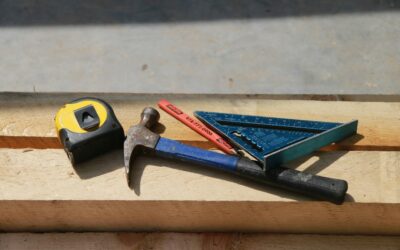
- Tape measure, level, and pencil
- Drill/driver with masonry bit for brick or a standard bit for siding
- Shutter fasteners (screw-like plastic pins for vinyl siding) or masonry screws
- Optional functional hardware: hinges, pintles, and shutter dogs (tiebacks)
- Exterior caulk and touch-up paint
- Work gloves and safety glasses
- Hold the shutter in place beside the window, level it, and mark the top and bottom fastener locations.
- Drill pilot holes through the shutter and into the wall at the recommended size for your fasteners.
- On vinyl siding, drill holes slightly larger than the fastener so the siding can expand and contract; do not pinch it tight.
- Drive the fasteners until snug, then add the remaining fasteners along the length.
- Repeat on the opposite side, measuring from the window trim so the gap is identical.
For functional shutters, mount hinges on the window casing or wall so the shutter swings closed over the window, and add shutter dogs to hold it open. Functional installations are heavier and require precise alignment.
Ladder Safety and Upper-Story Windows
Most shutter injuries come from ladders, not tools. Set an extension ladder on firm, level ground at roughly a 1:4 angle (one foot out for every four feet of height), extend it at least three feet above any landing point, and keep three points of contact while climbing. Never overreach; climb down and move the ladder instead. Carry shutters up with a helper or lift them on a rope, since a shutter catches wind like a sail.
If your windows are on a second story or higher, or the ground slopes or is over landscaping, hire a pro with staging or proper equipment. The fall risk is not worth the savings on a two-story facade.
Troubleshooting Common Shutter Problems
- Shutters look too small: they were sized to the glass instead of the opening. Replace them with full-height, half-width units.
- Vinyl shutters are bowing: fasteners were driven too tight, or a dark paint caused heat buildup. Loosen fasteners slightly and consider a lighter color or vinyl-safe paint.
- Fading or chalky finish: clean with mild soap and water, then refinish with a paint rated for the material.
- Wood rot at the bottom: cut out soft wood, fill with an exterior epoxy filler, prime, and repaint. Leave a small gap between the shutter bottom and any sill or ledge to allow drainage.
- Loose shutters rattling in wind: replace stripped fasteners with longer ones or relocate into solid framing.
General Cost Ranges
Budgets vary with material, size, and region, but typical ranges are:
- Vinyl decorative shutters: generally the lowest cost per pair, often well under a hundred dollars for standard sizes.
- Composite or PVC: a moderate step up per pair, more for custom sizes and profiles.
- Custom wood, functional: the highest cost, often several hundred dollars per pair or more, plus hardware.
- Professional installation: usually charged per shutter or per window, with higher rates for masonry and upper stories.
For a typical single-story ranch with eight windows, a DIY vinyl project is often one of the most affordable curb-appeal upgrades available.
The best house shutter ideas are usually the simplest: one style, one color, and consistent sizing on every window of the front elevation.
When to Call a Pro
Bring in a contractor for two-story or taller facades, functional shutters that must swing and latch, storm-rated shutters in coastal zones, historic district homes where materials and designs may need approval, and masonry walls where anchoring requires special fasteners. A pro can also help you evaluate whether shutters suit your architecture at all; some modern and ranch designs look better without them.
Modern House Shutters: Styles, Colors and Sizing
Modern house shutters work differently from the traditional pairs that flank a Colonial window. On a contemporary facade they act as architectural panels: clean planes, strong lines and very little ornament. The goal is to add texture and shadow to a simple exterior without adding fuss.
Flat Panel Shutters
A flat panel shutter is a smooth slab with no raised fields or molded edges. It suits stucco, smooth fiber cement and painted brick, where a louvered profile would look busy. On tall, narrow windows a single flat panel on one side can look more intentional than a matching pair, especially on an asymmetrical home.
Board and Batten With a Modern Edge
Board and batten is usually tied to farmhouse style, but it reads as modern when the details are simplified. Use tight, evenly spaced vertical boards, a single flat batten top and bottom instead of a Z brace, and hidden fasteners rather than decorative strap hinges. This version pairs well with vertical siding and dark window frames.
Horizontal Slat Shutters
Horizontal slats, set with small even gaps, echo the long lines of ranch and mid-century homes. They also work as privacy screens beside entry doors or across a large window facing the street. Wider slats look calmer than narrow ones. Keep the gap consistent, since uneven spacing is easy to spot from the curb.
Metal Shutters
Powder-coated aluminum and perforated metal panels fit industrial and minimalist homes. Metal holds a sharp edge, resists rot and can be fixed or set on sliding tracks. In coastal areas, ask for a finish rated for salt exposure, and use stainless or coated fasteners so rust streaks do not stain the siding.
Color Choices for a Modern Exterior
Modern palettes tend to be restrained. Common pairings include:
- Black or charcoal shutters on white, light gray or cream siding for high contrast.
- Natural wood tones or wood-look composites on dark siding to warm up the facade.
- Tone-on-tone: a shutter one or two shades darker than the siding for a subtle layered look.
- Matching the window frame color so the shutter and window read as one unit.
Sizing for Large and Unusual Windows
The half-width rule still helps, but modern homes often have wide picture windows and floor-to-ceiling glass. For those, consider one full-height panel that could slide across part of the opening, or skip shutters on that window entirely. Match the panel height to the full trim opening, and keep the top and bottom lines level with nearby windows and doors.
Ladder Safety
Metal and wide panels are heavy and catch wind. Work with a helper, set the ladder on firm, level ground, keep three points of contact and never overreach. Leave second-story and higher installations to a pro with scaffolding or proper staging.
Frequently Asked Questions
What color shutters go best with a white house?
Black is the classic pairing for a white house, followed by navy, dark green, and charcoal. Coordinate the shutter with your front door or roof so the facade feels intentional.
Should shutters be the same height as the window?
Yes. Shutters should match the full height of the window opening, including the trim, and each should be about half the window width so the pair would cover the window if closed.
Are vinyl or wood shutters better?
Vinyl shutters are cheaper and nearly maintenance-free, which makes them a practical choice for most homes. Wood looks more authentic and is better for functional or historic shutters, but it needs regular painting.
What are some modern window shutter ideas?
Flat slab panels, horizontal louvers, and sliding screens in wood or metal suit modern homes. Using fewer, larger shutter elements usually looks cleaner than placing a pair on every window.
Can I install shutters myself?
On a single-story home, most homeowners can install decorative shutters with a drill, level, and proper fasteners. For second-story windows or functional hardware, hire a professional.