
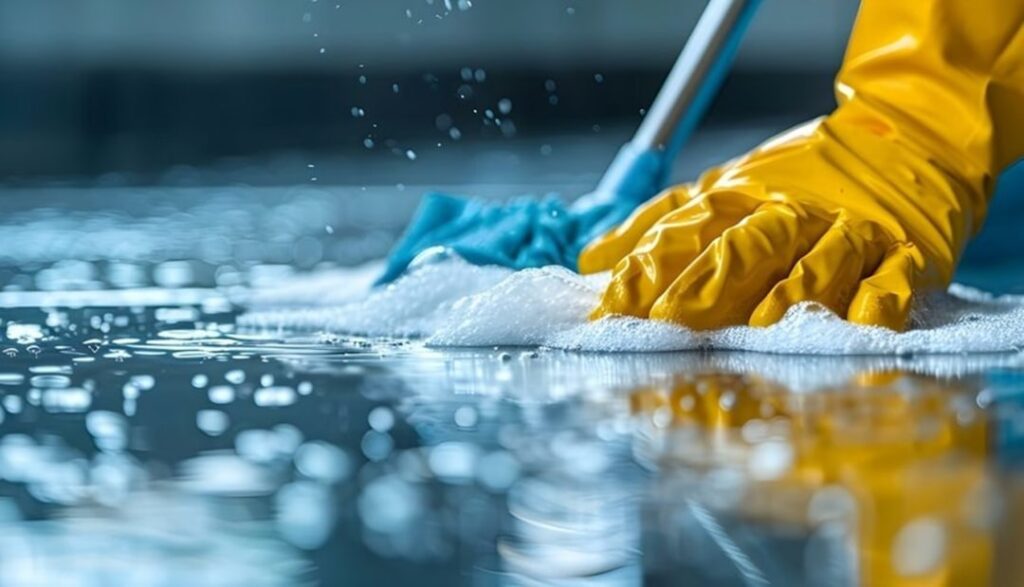
The single biggest mistake people make when learning how to spot clean a rug is scrubbing, which grinds the stain deeper and frays the fibers permanently. The correct move is almost always to blot, and to act within minutes of the spill before it sets. Whether you’ve got wool, synthetic, or a delicate hand-knotted rug, a calm, methodical approach removes most fresh stains completely and saves you the $100-plus cost of professional cleaning or, worse, a ruined rug.
Act Fast and Blot, Never Rub
Speed is everything. A spill that’s still wet lifts far more easily than one that’s dried and bonded to the fibers. Grab a clean white cloth or paper towel and press straight down to absorb as much liquid as possible, working from the outside of the spill inward so you don’t spread it.
Use white cloths only, since colored rags can transfer dye onto a light rug. Keep swapping to a clean section of cloth as it picks up the stain. Rubbing or scrubbing pushes the spill deeper and damages the pile, so resist the urge no matter how stubborn it looks.
Identify Your Rug Material
The right cleaner depends entirely on what your rug is made of. Wool is natural and sensitive to alkaline cleaners and high heat, while synthetics like nylon and polyester tolerate stronger solutions. Silk and antique hand-knotted rugs should rarely be DIY-cleaned beyond a quick blot, since the wrong product can bleed dyes.
Check the care label or test any solution on a hidden corner first. Apply a small amount, wait a minute, and blot with a white cloth to confirm no color transfers before treating the visible stain.
Make a Safe Cleaning Solution
For most everyday stains, a gentle homemade solution works without harsh chemicals. Mix one teaspoon of clear, dye-free dish soap into a cup of lukewarm water. For wool, add a splash of white vinegar, which is mildly acidic and safe for the fibers.
- General stains: 1 tsp mild dish soap in 1 cup warm water.
- Wool-safe boost: add 1 tbsp white vinegar to the soap solution.
- Odor and organic spills: sprinkle baking soda after blotting, then vacuum.
- Avoid: bleach, ammonia on wool, and hot water, which can set protein stains.
The Step-by-Step Method
Once you’ve blotted up the excess and mixed your solution, dampen a clean cloth lightly, never soak the rug. Dab the solution onto the stain from the edges inward, letting it sit for about 5 minutes to break down the spill.
Blot again with a dry cloth to lift the loosened stain and solution. Then rinse by dabbing with a cloth dampened in plain water, which removes soap residue that would otherwise attract dirt. Finish by blotting dry and pressing a stack of paper towels weighted with a book over the spot to wick moisture from deep in the pile.
Handling Specific Stains
Different spills need slightly different tactics. Red wine responds to blotting followed by a sprinkle of salt or club soda. Coffee and tea lift with the dish-soap-and-vinegar mix. Grease and oil need a sprinkle of baking soda or cornstarch left for 15 minutes to absorb before vacuuming and treating.
Pet accidents call for an enzymatic cleaner, which actually digests the proteins causing both the stain and the odor, rather than just masking them. For mud, let it dry completely first, then vacuum up the loose dirt before spot-treating the remaining mark.
Dry It Properly to Prevent Damage
A spot that stays damp invites mildew and odor, especially in a wool rug. After cleaning, blot out as much moisture as possible, then speed drying with a fan or open window. Keep foot traffic off the area until it’s fully dry to the touch.
Never apply direct high heat from a hair dryer on a hot setting, which can shrink natural fibers or distort the backing. Once dry, gently fluff the pile by hand or with a soft brush to restore its texture, and your rug will look as though the spill never happened.
Tools to Keep on Hand
Spot-cleaning goes faster when you’ve assembled a small kit before disaster strikes. None of it is expensive, and having it ready means you can respond in the critical first few minutes rather than scrambling under the sink while the stain sets.
- White cotton cloths or paper towels: for blotting without dye transfer.
- Mild dye-free dish soap and white vinegar: the base of most safe solutions.
- Baking soda: for odors and absorbing grease.
- A soft nylon brush: for working solution into the pile gently.
- An enzymatic cleaner: essential for pet accidents.
- A spray bottle: for applying water and solution in controlled amounts.
Store these together in a caddy near where spills are likely, such as the kitchen or living room, so treatment is always within reach.
Mistakes That Ruin Rugs
Beyond scrubbing, a handful of common errors do permanent damage. Over-wetting the rug pushes moisture into the backing and padding, where it breeds mildew and can cause the dyes to bleed or the backing to delaminate. Always use the minimum liquid needed and blot, don’t soak.
Using the wrong product is the other big one. Bleach and harsh oxidizers can strip color in seconds, and a cleaner that’s fine on nylon may destroy wool or silk. Skipping the hidden-corner test is how people discover too late that their solution lifts the dye along with the stain. When in doubt with a valuable, antique, or silk rug, stop after blotting and call a professional rug cleaner rather than risk an irreversible mistake.
When to Call a Professional
Spot cleaning handles fresh, contained spills well, but some situations call for expertise. Large stains, set-in marks you’ve already tried to treat, pet damage that has soaked into the pad, and any issue on a fine wool, silk, or antique rug are worth professional attention. Pros have extraction equipment and pH-balanced solutions matched to specific fibers.
Professional rug cleaning typically runs $1 to $8 per square foot depending on the material and method, which is a bargain compared with replacing a quality rug. Think of spot cleaning as your first line of defense for everyday accidents, and a periodic professional deep clean, every 12 to 18 months for high-traffic rugs, as the maintenance that keeps the rug looking its best for the long haul.


