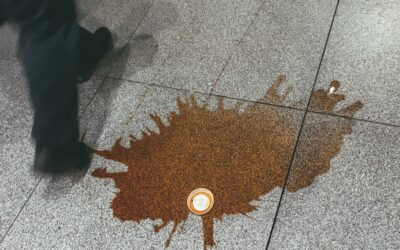
Nothing tanks the look of a room faster than a dark blotch worked into the middle of a light carpet. Whether it’s red wine at a dinner party or a pet accident you found three days late, a carpet stain is almost always fixable if you attack it the right way and don’t make it worse first. I’ve pulled coffee, blood, grease, and dried mud out of everything from builder-grade nylon to plush wool, and the difference between success and a permanent mark usually comes down to technique, not luck. Here’s exactly how to handle it.
The Golden Rule: Blot, Never Rub
Before you reach for any product, understand the single most important habit. Rubbing drives the spill deeper into the pile and frays the carpet fibers, leaving a fuzzy, discolored patch even after the color lifts. Instead, blot with a clean white cloth or paper towel, pressing straight down and lifting straight up. Work from the outside of the spill toward the center so you don’t spread it.
Speed matters too. A fresh spill treated within the first 5 to 10 minutes comes up 90 percent of the time. Once a stain dries and sets, your odds drop sharply, and you may need a professional extraction.


Build a Basic Stain Kit
You don’t need a cabinet full of specialty sprays. A handful of items handles the vast majority of household spills.
- White vinegar and baking soda
- Dish soap (a clear, non-bleach type like Dawn)
- 3% hydrogen peroxide
- Isopropyl (rubbing) alcohol, 70% or higher
- An enzyme cleaner such as Nature’s Miracle for organic and pet stains
- Clean white cloths and a spray bottle
A good all-purpose DIY solution is one tablespoon of clear dish soap and one tablespoon of white vinegar mixed into two cups of warm water. That single mix knocks out a surprising number of everyday marks for pennies.
Removing the Most Common Stains
Different spills need different chemistry. Matching the treatment to the mess is what separates a clean result from a spread-out smear.
Red Wine
Blot up as much as possible, then pour a little cold water or club soda to dilute. Apply the dish-soap-and-vinegar mix, blot, and repeat. For a stubborn dried ring, mix 3% hydrogen peroxide with a squirt of dish soap, test in a hidden spot first, then dab it on and let it sit 20 minutes before blotting.
Coffee and Tea
These leave a yellow-brown tint that sets fast. Use the vinegar-soap solution, and for persistent color follow with hydrogen peroxide on light carpets. Rinse with cold water and blot dry.
Pet Accidents
Urine is the trickiest carpet stain because the odor and bacteria soak into the pad underneath. Blot the liquid, then saturate the area with an enzyme cleaner and let it dwell for 10 to 15 minutes. Enzymes actually digest the proteins that cause both the stain and the smell, which no soap can do. Reapply for old, dried accidents.
Blood
Always use cold water; heat cooks the proteins and locks the stain in permanently. Blot with cold water, then apply a hydrogen peroxide solution, which foams as it breaks down the blood. Blot and repeat until clear.
Grease and Oil
Sprinkle baking soda or cornstarch over the spot to absorb the oil, wait 15 minutes, and vacuum. Then treat the residue with dish soap, which is formulated to cut grease, and blot with warm water.
When to Use Store-Bought Cleaners
Commercial spot removers like Folex, Resolve, and Bissell OxyKick are genuinely effective and worth keeping on hand. Folex in particular has a loyal following because it works on set-in marks and doesn’t require rinsing on most carpets. Whatever you buy, read the label for fiber compatibility. A rule I follow: solvent-based products are great on synthetics but can damage wool and some natural fibers, so always test in a closet corner first.
A carpet machine like a Bissell Little Green (around $100 to $130) is a smart buy for households with kids or pets. It injects solution and extracts it along with the loosened stain, which reaches the deep spills a cloth can’t.
Mistakes That Set a Stain Permanently
Plenty of well-meaning fixes make things worse. Steer clear of these.
- Using hot water on protein stains like blood, milk, or egg. Heat sets them.
- Scrubbing hard, which frays fibers and spreads the mark.
- Dumping on too much product, which leaves a sticky residue that attracts dirt and creates a new dark spot within weeks.
- Skipping the rinse. Leftover cleaner acts like a magnet for grime.
- Reaching straight for bleach, which strips dye and turns one problem into a permanent white blotch.
Drying and Preventing Recurring Spots
After treating any spot, rinse with cold water to remove residue, then blot until nearly dry. Stack a few paper towels over the area and weight them with a heavy book overnight to wick moisture from the deep pile. Point a fan at it to speed drying and prevent mildew.
Ever notice a stain that keeps coming back a week after you cleaned it? That’s called wicking. Cleaning residue and moisture trapped in the pad rises back up as it dries, pulling the discoloration with it. The fix is a thorough rinse and complete drying, or a proper hot-water extraction that pulls the contamination all the way out.
An old stain you discover weeks later is a different animal from a fresh spill, but it isn’t always hopeless. Start by loosening the dried residue: lay a damp cloth over the spot for 10 minutes to rehydrate it, then work your cleaning solution in from the edges. Set-in coffee, wine, and pet marks often need two or three treatment cycles with dwell time in between rather than one aggressive scrub.
For a dried protein or organic stain, an enzyme cleaner left to sit under plastic wrap for 30 minutes gives the enzymes time to break the bond. Patience beats force here. I’ve rescued marks that clients swore were permanent simply by treating them three nights in a row instead of giving up after one pass.
Protecting Carpet Going Forward
The best carpet stain is the one that never sets. A few simple habits cut your cleanup dramatically.
- Apply a fabric protector like Scotchgard after a deep clean. It buys you extra minutes before a spill soaks in.
- Keep a spill kit within reach so you can treat messes in the first five minutes when they lift most easily.
- Enforce a shoes-off rule in carpeted areas to keep tracked-in oils and grime out of the fibers.
- Vacuum high-traffic zones twice a week so grit doesn’t grind color-attracting soil into the pile.
These steps sound minor, but together they can double the practical life of a carpet and keep light colors looking fresh.
When to Call a Pro
Know your limits. Large spills, stains covering more than a couple square feet, old set-in marks, and anything on delicate wool or silk-blend carpet are worth a professional’s attention. Expect to pay roughly $0.25 to $0.50 per square foot for hot-water extraction, or a flat $100 to $200 for a single room. That’s cheap compared to replacing carpet that runs $3 to $7 per square foot installed.
Handle spills fast, match the method to the mess, and always blot instead of rub. Follow those three habits and most any carpet stain becomes a five-minute problem instead of a permanent eyesore. Keep your kit stocked so you’re ready the moment something hits the floor.