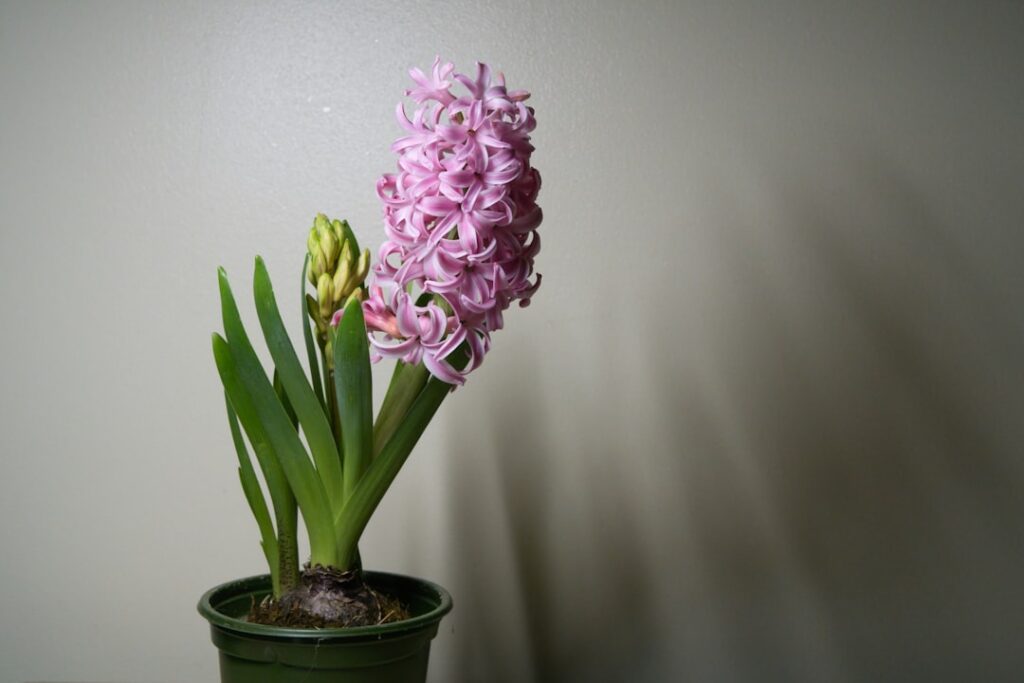
Nothing perfumes a winter room quite like a hyacinth in full bloom, and once you understand how to take care of hyacinth indoors, you can enjoy those dense, fragrant spikes for weeks at a time. These bulbs are forgiving, but a few key details, light, temperature, and water, make the difference between a floppy, short-lived plant and a stout, richly scented one.
Part of our Windows & Doors guide — explore the full guide →
Whether you bought a potted hyacinth already in bud or you’re forcing bulbs from scratch, the care routine is refreshingly simple. Below, I’ll walk through everything from placement and watering to coaxing bulbs into bloom and deciding what to do once the flowers fade.
Understanding the Hyacinth
Hyacinths are spring-blooming bulbs native to the eastern Mediterranean, prized for their columns of star-shaped flowers in purples, pinks, whites, blues, and yellows. Indoors, they’re most often grown by “forcing,” which simply means tricking a bulb into blooming out of season by simulating winter and then spring.
One thing to know up front: hyacinth bulbs contain oxalic acid, which can irritate skin. Wear gloves when handling them, and keep both bulbs and blooming plants away from curious pets and small children, since they’re toxic if eaten.
Light Requirements
Bright, indirect light is the goal. A hyacinth that just emerged from cold storage or arrived in bud wants a spot near an east- or south-facing window where it gets several hours of gentle light each day. Too little light and the flower stalk stretches, weakens, and flops over. Too much harsh, direct sun and the blooms fade and finish faster.
- Place plants in a bright room but out of scorching midday sun.
- Rotate the pot a quarter turn every day or two so the stalk grows straight instead of leaning toward the glass.
- Once flowers open fully, moving the plant to a slightly cooler, dimmer spot will make the blooms last noticeably longer.
Temperature and Placement
Temperature is the single biggest lever for making indoor hyacinths last. These bulbs evolved for cool spring conditions, so heat is their enemy once they’re blooming. Aim to keep them in a room that stays between 60 and 65 degrees Fahrenheit while in flower.
Keep pots away from heat sources such as radiators, heating vents, wood stoves, and the tops of appliances. A blooming hyacinth parked over a heat register might last only a few days, while the same plant in a cool bedroom can hold its flowers for two to three weeks. At night, moving the plant somewhere cooler, even down to the low 50s, extends the display further.
Watering the Right Way
Consistent, moderate moisture keeps a hyacinst happy, but soggy soil rots the bulb fast. The rule is simple: keep the soil lightly moist, never waterlogged, and never let the base of the bulb sit in standing water.
- Check the top inch of soil with your finger. Water when it feels dry.
- Water at the soil line, not over the bulb, to avoid rot in the crown.
- Always use a pot with a drainage hole, or water sparingly if your decorative pot has none.
- Empty any saucer 15 minutes after watering so roots aren’t sitting in a puddle.
If you’re growing a hyacinth in a forcing vase, the glass hourglass-shaped kind, keep the water level just below the base of the bulb, about a quarter inch of air gap. Change the water every week or two to keep it fresh and prevent slime.
How to Force Hyacinth Bulbs Indoors
Learning how to take care of hyacinth indoors often starts with forcing your own bulbs, which is deeply satisfying and cheaper than buying potted plants. Here’s the full process:
- Buy quality bulbs in fall. Choose firm, heavy bulbs with no soft spots or mold. Larger bulbs generally produce bigger flower spikes.
- Chill them. Hyacinths need 10 to 14 weeks of cold to trigger blooming. Store them at 35 to 45 degrees in a refrigerator crisper, an unheated garage, or a cold cellar. Keep them away from ripening fruit, which releases ethylene gas that damages the flower buds.
- Pot after chilling. Plant in a well-draining potting mix with the top third of the bulb poking above the soil, or set a single bulb on a forcing vase.
- Wake them slowly. Bring the pot into a cool, dim room around 50 to 60 degrees for a week or two until the shoot reaches a couple of inches.
- Move to bright light. Once green growth is up and a bud is visible, move the plant into bright, indirect light and normal room temperature to finish blooming.
From the end of chilling to full bloom usually takes three to four weeks. Stagger your potting dates and you can enjoy fresh hyacinths all winter.
Supporting Floppy Stalks
Forced hyacinths sometimes grow top-heavy and lean. A thin bamboo stake and a loose loop of garden twine keeps the spike upright without looking obvious. Keeping the plant cooler and brighter during bud development is the best prevention, since warmth and low light are what cause the weak, stretched stems in the first place.
Feeding and Ongoing Care
A hyacinth in bloom doesn’t need much feeding, since the bulb already stores the energy for that year’s flowers. If you plan to save the bulb, a diluted balanced liquid fertilizer every couple of weeks after flowering helps recharge it. Remove individual florets as they brown to keep the plant looking tidy, and pinch off the whole spent stalk once flowering finishes, but leave the leaves alone.
What to Do After Blooming
Forced hyacinths rarely rebloom well indoors, but you don’t have to throw them out. After the flowers fade, keep watering and give the plant bright light so the leaves can photosynthesize and feed the bulb. Once the foliage yellows naturally, let it die back, then store the bulb somewhere cool and dry.
In spring or fall, plant the recovered bulb outdoors in a garden bed. It likely won’t bloom the first year in the ground, but with a season or two of rest, it often returns to flower outside where it belongs. Bulbs grown in water on a forcing vase are usually too spent to save and are best composted.
Frequently Asked Questions
Why is my indoor hyacinth flopping over?
Floppiness comes from too much warmth and too little light during growth, which produces weak, stretched stems. Move the plant somewhere cooler and brighter, and stake the stalk if needed.
How long do indoor hyacinths last?
In a cool room around 60 to 65 degrees, the blooms typically last two to three weeks. In a warm room, you might get only a few days, so temperature control is key.
Can I grow hyacinth in just water?
Yes. A forcing vase holds a single pre-chilled bulb above a small reservoir of water. Keep the water just below the bulb’s base and refresh it weekly.
Are hyacinths safe around pets?
No. Hyacinth bulbs and plants are toxic to cats and dogs if chewed or eaten, and the bulbs can irritate skin. Keep them out of reach and wear gloves when handling bulbs.
Do I need to chill store-bought potted hyacinths?
No. Potted hyacinths sold in bud have already been chilled. Just give them bright light, cool temperatures, and moderate water to enjoy the blooms.
Once you know how to take care of hyacinth indoors, these bulbs reward you with one of the most fragrant, colorful displays of the cold season. Keep them cool, give them bright indirect light, water moderately, and handle the bulbs with care. Do that, and a simple grocery-store hyacinth will fill your home with spring long before it arrives outside.