Knowing how to wash a carpet properly keeps your floors looking fresh, extends the life of the fibers, and removes the dust, allergens, and stains that build up over time. Many homeowners assume carpet cleaning means renting an expensive machine, but learning how to wash a carpet the right way is mostly about following a careful order: prepare, treat, deep clean, and dry thoroughly. This guide walks you through each step so you get a genuinely clean result without damaging the carpet.
Gather Your Supplies First
Having everything on hand before you start makes the job faster and cleaner. You do not need much, and most of it you may already own.
- A vacuum cleaner with strong suction
- Carpet cleaning solution or a mild detergent suited to your carpet type
- White cloths or paper towels for blotting
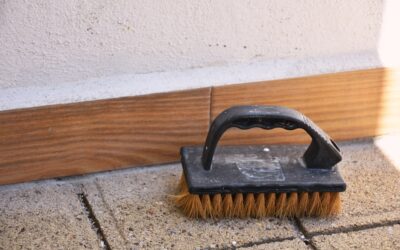
- A soft-bristle brush or sponge
- A bucket and clean water
- A carpet cleaning machine, either owned or rented, for deep cleaning
- Fans or open windows for drying
Always check the carpet manufacturer’s care label if you have it. Some materials, such as wool and certain natural fibers, require gentler products and methods than synthetic carpet.
Step 1: Vacuum Thoroughly
Start every wash by vacuuming, and do it well. Loose dirt and grit turn into muddy streaks the moment they get wet, so removing them first is essential. Go over the carpet slowly in overlapping passes, then run the vacuum a second time in the opposite direction to lift fibers and pull out debris that settled deep in the pile.
Pay extra attention to high-traffic lanes and the edges along baseboards, where dust tends to collect. For an especially dirty carpet, sprinkle baking soda, let it sit for 15 to 20 minutes to absorb odors, and vacuum it up before moving on.
Step 2: Test and Treat Stains
Before applying any cleaner to the whole carpet, test it on a hidden area such as inside a closet to make sure it will not discolor or damage the fibers. This single step prevents the most common carpet-cleaning regrets.
Once you have confirmed the product is safe, pretreat visible stains. Apply your cleaning solution to a cloth or directly to the spot, let it sit briefly, then blot from the outside of the stain inward. Blot, never scrub, because aggressive rubbing frays the fibers and spreads the stain. One crucial safety rule: never mix cleaning chemicals. Combining products such as bleach and ammonia can create dangerous fumes, so stick to a single cleaner at a time.
Step 3: Deep Clean the Carpet
For a full wash, a hot-water extraction machine, often called a carpet shampooer or steam cleaner, does the heavy lifting. You can buy one or rent a quality unit from a hardware store, usually for around $30 to $50 per day plus the cost of solution.
- Fill the machine’s tank with warm water and the recommended amount of cleaning solution, following the dilution instructions exactly.
- Begin in the corner farthest from the door so you do not walk across freshly cleaned carpet.
- Push the machine forward slowly while spraying solution, then pull it back over the same path with the suction running to extract the dirty water.
- Work in overlapping rows across the entire room, refilling the solution tank and emptying the dirty tank as needed.
- For heavily soiled areas, make a second extraction pass with clean water only to rinse out leftover detergent, which otherwise attracts dirt later.
The single most important habit here is to avoid over-wetting. Soaking the carpet pushes water into the padding and subfloor, where it dries slowly and can lead to mold, mildew, and odor. Use the minimum moisture needed and extract as much water back out as the machine allows.
Step 4: Dry the Carpet Completely
Proper drying is what separates a clean carpet from a musty one. After extraction, the carpet should feel damp, not wet. Speed up drying by opening windows, running ceiling and floor fans, and turning on a dehumidifier or air conditioning to pull moisture out of the air.
Keep foot traffic off the carpet until it is fully dry, which typically takes 6 to 12 hours but can stretch longer in humid weather or with thick padding. Walking on a damp carpet presses dirt back into the fibers and can leave marks. If the room still smells damp after a full day, increase airflow immediately to head off mildew.
Hand-Washing Small or Area Rugs
Smaller rugs and washable carpets can be cleaned without a machine. Take the rug outside, vacuum both sides, then mix a small amount of mild detergent with water. Work the solution into the rug with a soft brush, rinse thoroughly with a hose or clean water until no suds remain, and squeeze or press out the excess moisture.
Hang the rug over a railing or lay it flat in a sunny, well-ventilated spot to dry completely on both sides before bringing it back indoors. Check the care label first, since some rugs are machine washable on a gentle cycle while others, especially wool and antique pieces, should only be cleaned professionally.
How Often and Final Tips
Vacuum at least once a week, address spills the moment they happen, and give your carpet a full deep wash every 12 to 18 months, or every 6 to 12 months in homes with pets, children, or heavy traffic. Placing doormats at entrances and removing shoes indoors dramatically cuts the dirt that reaches the carpet in the first place.
Wash carefully, treat stains by blotting, keep moisture to a minimum, and dry the carpet fully, and you will keep it looking and smelling fresh for years. With a little routine attention, you can handle most carpet washing yourself and save the professional cleaners for the occasional deep refresh.
Common Mistakes to Avoid
A few avoidable errors undo all your hard work. The most frequent is using too much detergent, which leaves a sticky residue that pulls dirt back in within days and can make the carpet feel crunchy. Always follow the dilution instructions, and rinse with clean water when in doubt.
Other pitfalls include skipping the pre-vacuum, which turns surface dust into mud; scrubbing stains hard enough to fray the fibers; and rushing the drying stage so the padding stays damp and develops a musty smell. Using hot water on certain stains can also set them permanently, so reach for cool water on protein-based spills such as blood or dairy. Finally, never apply a product you have not tested first, and resist the temptation to combine cleaners hoping for stronger results, since mixing chemicals is both ineffective and unsafe. Steady, methodical cleaning beats aggressive shortcuts every time.