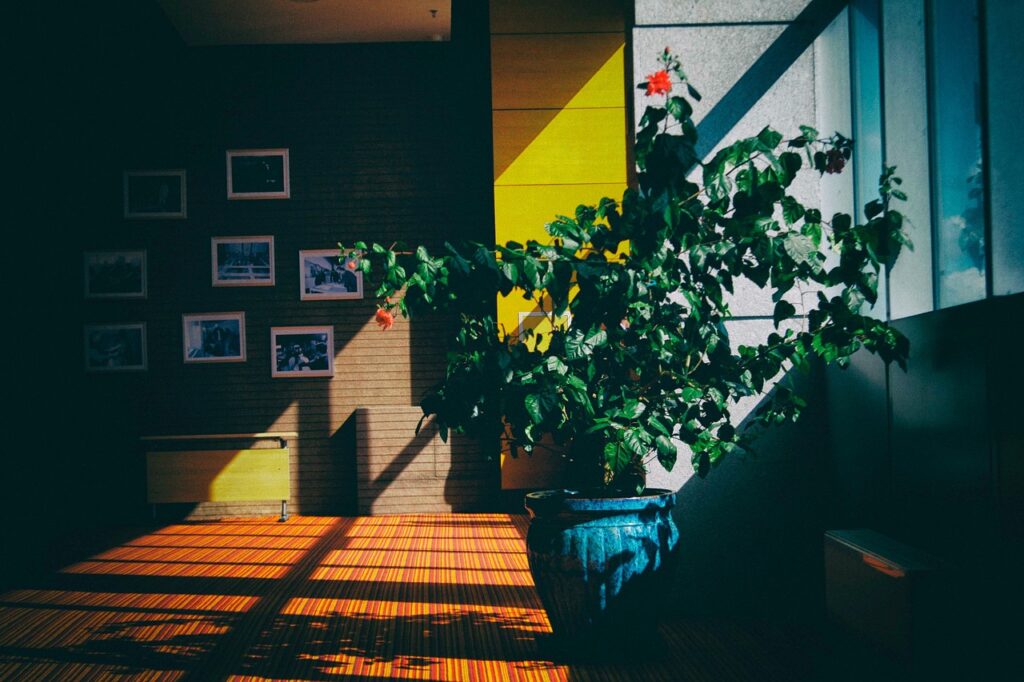
A bare corner can make even a well-furnished room feel unfinished, and nothing fills that empty vertical space like a tall, leafy plant. Indoor floor plants, the large statement houseplants that sit on the floor rather than a shelf, bring height, texture, and a sense of life that art and furniture cannot. A single fiddle leaf fig or bird of paradise can transform a living room from flat to layered. I have helped plenty of homeowners pick the right floor plant for their light and lifestyle, and the secret is matching the plant to the room and your willingness to fuss, not just grabbing whatever looks good at the store.
Part of our Windows & Doors guide — explore the full guide →
This guide covers the best large indoor plants, their light and water needs, choosing pots, smart placement, and which ones are safe around pets.
The Best Indoor Floor Plants
Some large houseplants are far more forgiving than others. Here are reliable choices for filling a corner.
- Snake plant (Sansevieria): nearly indestructible, tolerates low light and infrequent watering, with tall architectural leaves
- Bird of paradise: big paddle-shaped leaves and a dramatic tropical look, needs bright light
- Fiddle leaf fig: the famous designer favorite with large violin-shaped leaves, beautiful but fussy about light and consistency
- Rubber tree (Ficus elastica): glossy deep-green leaves, more forgiving than the fiddle leaf, grows tall
- Monstera deliciosa: iconic split leaves, fast-growing and easygoing in bright indirect light
- Dracaena: several varieties with spiky foliage, tolerant of lower light and easy to keep
- Parlor palm and majesty palm: soft feathery fronds for a relaxed, tropical feel
- ZZ plant: tough, glossy, and tolerant of neglect and low light
Matching Plants to Your Light
Light is the single biggest factor in whether a floor plant thrives or slowly declines. Before buying, watch how the sun moves through the room over a day.
Bright, Direct Light
South- and west-facing windows get strong light. Bird of paradise and many palms love this, and a fiddle leaf fig will be at its best here too. Just keep delicate leaves from pressing against hot glass.
Bright, Indirect Light
The sweet spot for most floor plants, a few feet back from a sunny window or beside an east-facing one. Monstera, rubber tree, and dracaena all do well in this gentler bright light.
Low Light
For a dim corner away from windows, stick to the tough survivors: snake plant, ZZ plant, and some dracaenas tolerate low light without sulking. Most other large plants will stretch and weaken in true low light.
Watering Without Killing Them
More houseplants die from overwatering than from drought. The roots sit in soggy soil, suffocate, and rot. The fix is simple: water thoroughly, then let the soil dry appropriately before watering again rather than following a rigid calendar.
- Check the soil first. Push a finger an inch or two into the soil. If it is still damp, wait.
- Water deeply when you do. Soak until water runs from the drainage holes, then empty the saucer so roots do not sit in water.
- Adjust for season. Plants drink more in warm, bright months and far less in winter.
- Know your species. Snake plants and ZZ plants want to dry out fully; palms and ferns prefer more consistent moisture.
Choosing the Right Pot
The container does more than look good. Always pick a pot with drainage holes, or use a plastic nursery pot with drainage tucked inside a decorative cachepot, since no drainage is a fast route to root rot. Size the pot to the plant, only an inch or two wider than the root ball, because an oversized pot holds too much wet soil. For tall, top-heavy plants like bird of paradise, a heavier ceramic or concrete planter adds stability so it will not tip. Set a saucer or a plant caddy with wheels underneath to protect your flooring from moisture and make the heavy plant easy to move.
Placement and Styling
Floor plants earn their keep by filling space that furniture cannot. Use a tall plant to soften an empty corner, frame a window or doorway, or break up a long blank wall. Position it where it gets the light it needs first, then style around that. Group plants of varying heights for a layered, collected look, or let one bold specimen stand alone as a sculptural focal point. Keep large plants out of high-traffic walkways where leaves get brushed and broken, and rotate the pot every few weeks so the plant grows evenly toward the light instead of leaning.
Pet Safety
If you share your home with cats or dogs, this matters. Several popular floor plants are toxic if chewed, including bird of paradise, rubber tree, and dracaena, and they can cause vomiting or worse. Snake plants and ZZ plants are also considered toxic to pets. Safer choices include the parlor palm, majesty palm, and certain other palms, which are generally regarded as non-toxic. When in doubt, look up the specific plant before bringing it home, and place any questionable plant well out of a curious pet’s reach.
Keeping Big Plants Healthy Long Term
Beyond light and water, a few habits keep a large houseplant looking full instead of leggy. Dust the leaves every few weeks with a damp cloth, since a film of household dust blocks the light the plant needs to photosynthesize. Feed during the active growing season, spring through summer, with a balanced houseplant fertilizer at half strength, then ease off in winter when growth slows. Watch for common pests like spider mites and mealybugs, which hide on the undersides of leaves, and treat them early with insecticidal soap before they spread. As the plant outgrows its pot, usually every couple of years, repot it into a container an inch or two larger with fresh soil. A little routine care is the difference between a thriving floor plant and one that slowly thins out.
The Bottom Line
Indoor floor plants add the height, texture, and life that turn a flat room into a welcoming one, but success comes down to matching the plant to your light and watering habits. Start with a forgiving species if you are new to plants, give it bright indirect light when you can, water only when the soil dries, and pot it with drainage and stability in mind. Check pet safety before you buy, place it where it will thrive, and one well-chosen floor plant will anchor your space for years.
Frequently Asked Questions
Are artificial floor plants a good alternative?
Artificial floor plants are a practical choice for dark corners, offices, and homes with pets that chew leaves, since they need no light or water. Choose ones with varied leaf color and real-looking trunks, set them in a weighted pot, and dust them every few weeks so they keep looking fresh. If they sit near a sunny window, look for UV-resistant leaves, which fade more slowly.
How do you protect hardwood floors from potted plants?
Never set a potted plant directly on a wood floor, even in a saucer, because condensation and overflow cause water rings and cupping. Use a deep, non-porous saucer, then lift it on plant feet, a rolling caddy, or a stand so air circulates underneath. Check under large plants every few weeks for trapped moisture, and wipe up overflow right after watering.
Can a grow light keep a floor plant healthy in a dark corner?
Yes, a full-spectrum LED grow light can keep a floor plant healthy where window light is weak. Floor-standing grow lights with adjustable height work well for tall plants; aim the light at the foliage and run it on a timer, often around 12 hours a day. Plants that already tolerate lower light, such as snake plant, ZZ plant, and dracaena, need the least supplemental light.
How can you get a large floor plant for less?
The cheapest way to get a floor plant is to buy a younger plant in a smaller pot and let it grow. Fast growers such as monstera and rubber tree can reach floor-plant size within a few growing seasons with bright indirect light and regular feeding. Tough, slower plants like snake plant are inexpensive even at larger sizes, and propagating cuttings from friends’ plants costs almost nothing.
Prefer to explore on your own?
See how new flooring looks in your actual room in seconds — free, no signup.
Try the free Floor Studio →